
The journal
Is a 5 year old car battery considered old?
Five years is old relative to a common conventional starting-battery range, but it is not an automatic failure. Confirm age, symptoms and battery-specific test results before deciding.
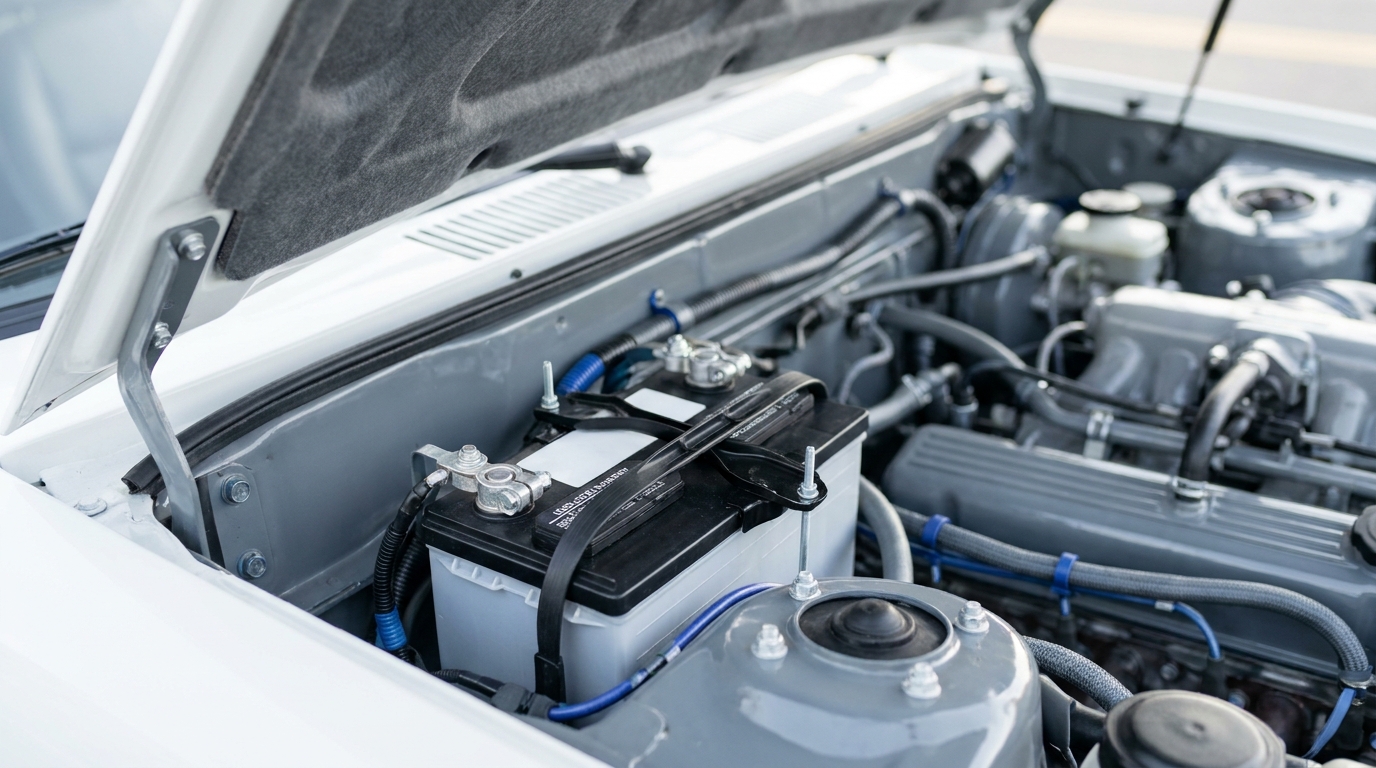
Yes. Five years is old relative to the common service-life range for a conventional starting battery, but age alone does not establish failure. Interstate Batteries notes that car batteries generally last three to five years, depending on climate and use (Interstate Batteries FAQ).
Confirm what the age means
This discussion concerns a conventional automotive 12 V starting battery, not an EV’s high-voltage traction pack. Check the battery chemistry and vehicle instructions before applying advice written for another type.
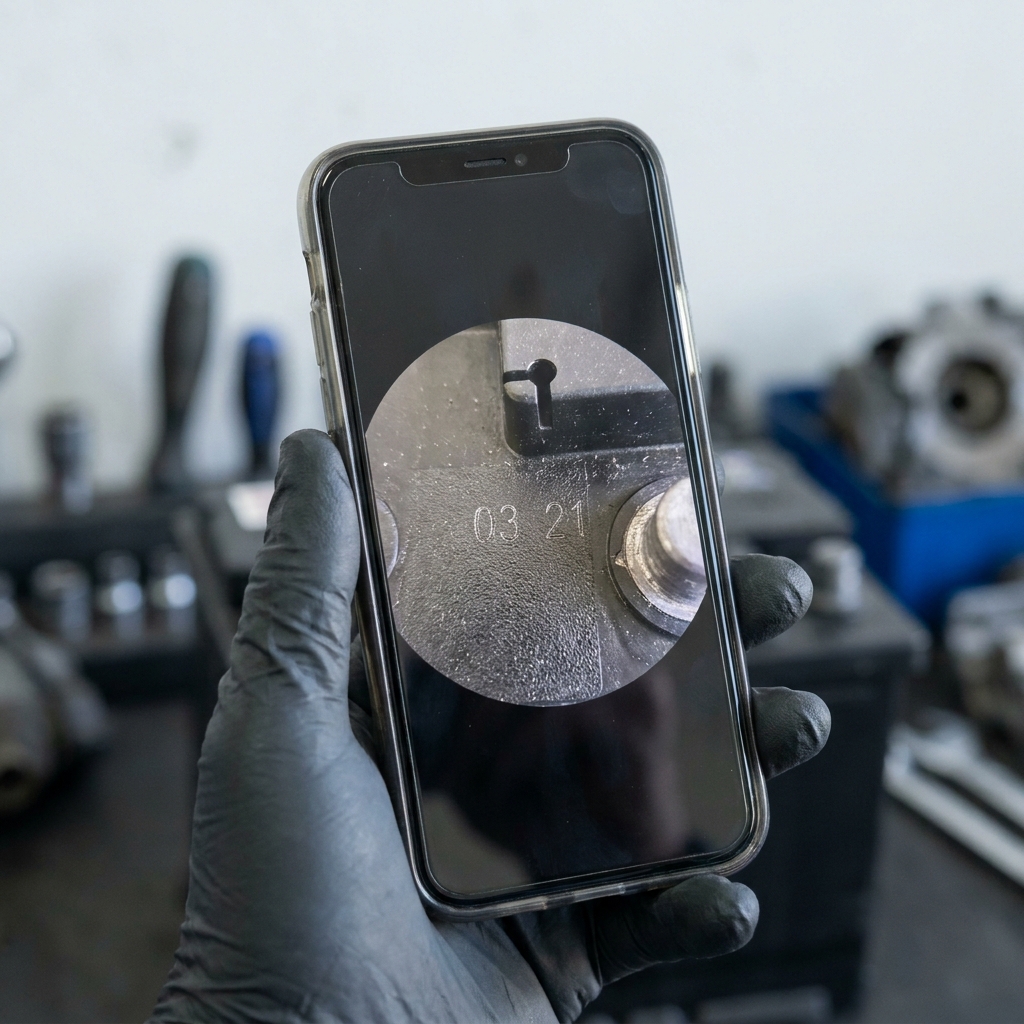
Use the battery maker’s actual date code and your service record. Interstate’s PowerVolt guide supplies examples for its own products; other brands can differ. A marked battery date, sale date and installation date are not automatically the same. If a one-digit code is ambiguous, ask the maker or retailer rather than deciding its decade from the vehicle’s age alone.
Record the full marking, battery model and any known installation date. Keep uncertainty visible: “installation date unknown” is more useful than inventing an exact service age. If the label is inaccessible, do not move the battery or disturb terminals simply to find it.
Is a 5-year-old battery due for replacement?
Five years is the upper end of the typical 3-5 year span, so plan on a battery test now and a replacement decision based on the battery and vehicle maker’s test criteria, the symptoms and your use. Interstate recommends having your battery tested at least semiannually or at every oil change (Interstate Batteries FAQ).
What to record before you visit a shop:
- Battery and vehicle details: note the exact battery model, chemistry, vehicle and relevant service history. A voltage reading alone is not a complete health or charging-system diagnosis.
- Symptoms: Slow cranking, a persistent battery light, or lights that dim at idle are reasons to test immediately (Interstate Batteries FAQ).

Ask for a battery-specific assessment
A service provider can assess charge, starting performance and the charging system using the correct procedure. Interstate’s workshop guidance includes preparation and temperature-dependent criteria; one voltage or load-test number is not a complete pass/fail rule.
Report recent charging, repeated jump-starts and warning messages. Ask what the test measured and what criterion supports the recommendation. If the case is swollen, leaking, unusually hot or giving off an abnormal smell, keep away and arrange appropriate assistance rather than attempting a test.
If it’s five years old, what’s the smart move?
- Verify age from the date code.
- Ask about a suitable test and any cost at an auto shop or battery retailer.
- Discuss replacement using actual test results and vehicle requirements; explain any repeated no-starts or temperature-related problems. Avoid waiting for a no-start.
Related reading on Driven & Kept:
Put this into practice
Record the known installation history, symptoms and battery model before asking for a suitable assessment. Age helps plan the conversation, but one voltage reading is not a complete battery or charging-system diagnosis.
Check your battery’s age and condition
Short FAQ
Where exactly is the date code? Interstate advises checking the case (first two characters) or a sticker for month and year (Interstate PowerVolt Application Guide, p. 7-8).
Do all brands use the same code? No. The examples here reflect Interstate’s markings. Other brands may use different formats; ask the retailer or consult the maker if you’re unsure.
