
Glass can carry tint or another coating. Wheels can be painted, polished or clear-coated. Interior trim can include delicate soft-touch finishes. These distinctions matter more than choosing a bottle by the object’s general name.
Use dedicated clean tools where residue transfer matters, especially glass and paint. Persistent marks deserve identification and a surface-specific method, not an escalating collection of household abrasives.
The finish governs the method
Glass assemblies can have films or treatments, and alloy wheels can have several different finishes. Identify the actual material, the affected side and any coating before choosing a cleaner. A broad label such as acid-free or glass-safe does not resolve every application.
Keep the tools distinct
Use clean media appropriate to the job and avoid transferring wheel contamination or paint-product residue onto delicate surfaces. Follow the stated application and rinse conditions. Treat persistent deposits, damaged finishes and visibility concerns as reasons to reassess rather than increasing pressure or chemical strength by guesswork.
The checks worth making
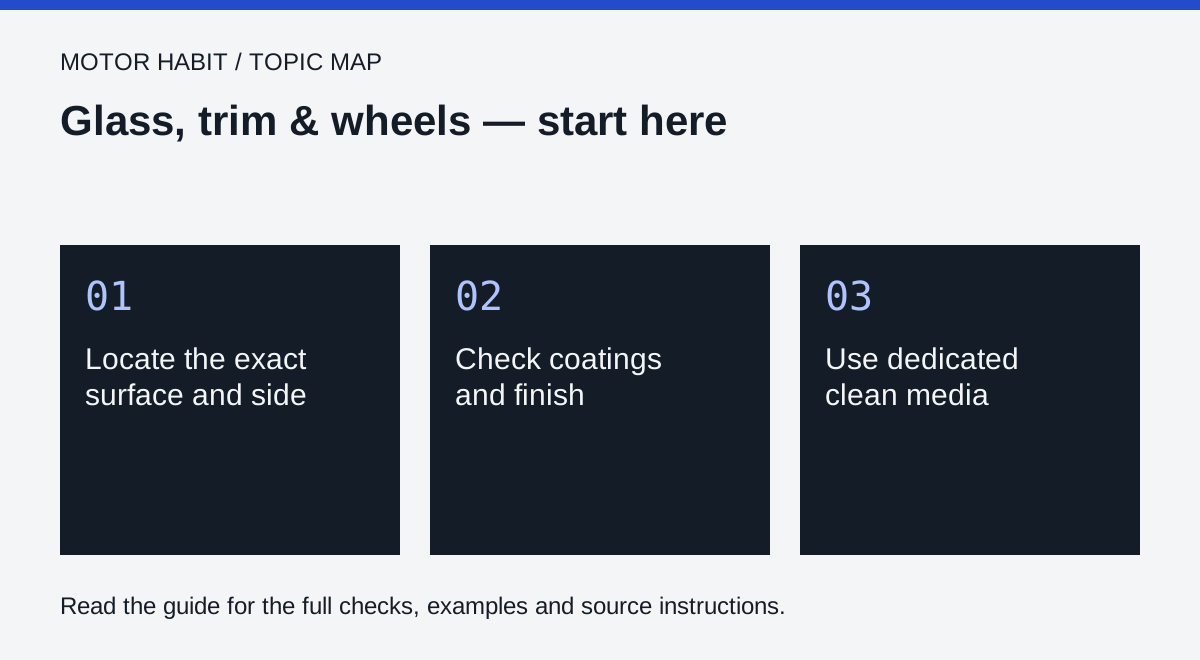
- Locate the exact surface and side
- Check coatings and finish
- Use dedicated clean media
- Resolve visibility and damage concerns
Turn the reading into a decision.
Use your own inputs and keep the stated assumptions with the result.
Open the related tool ↗