
The journal
Should I add coolant to my car when it's hot or cold?
Add coolant only when the engine is cold. Learn why waiting matters, safe top-up steps, emergency water use and when to seek help.
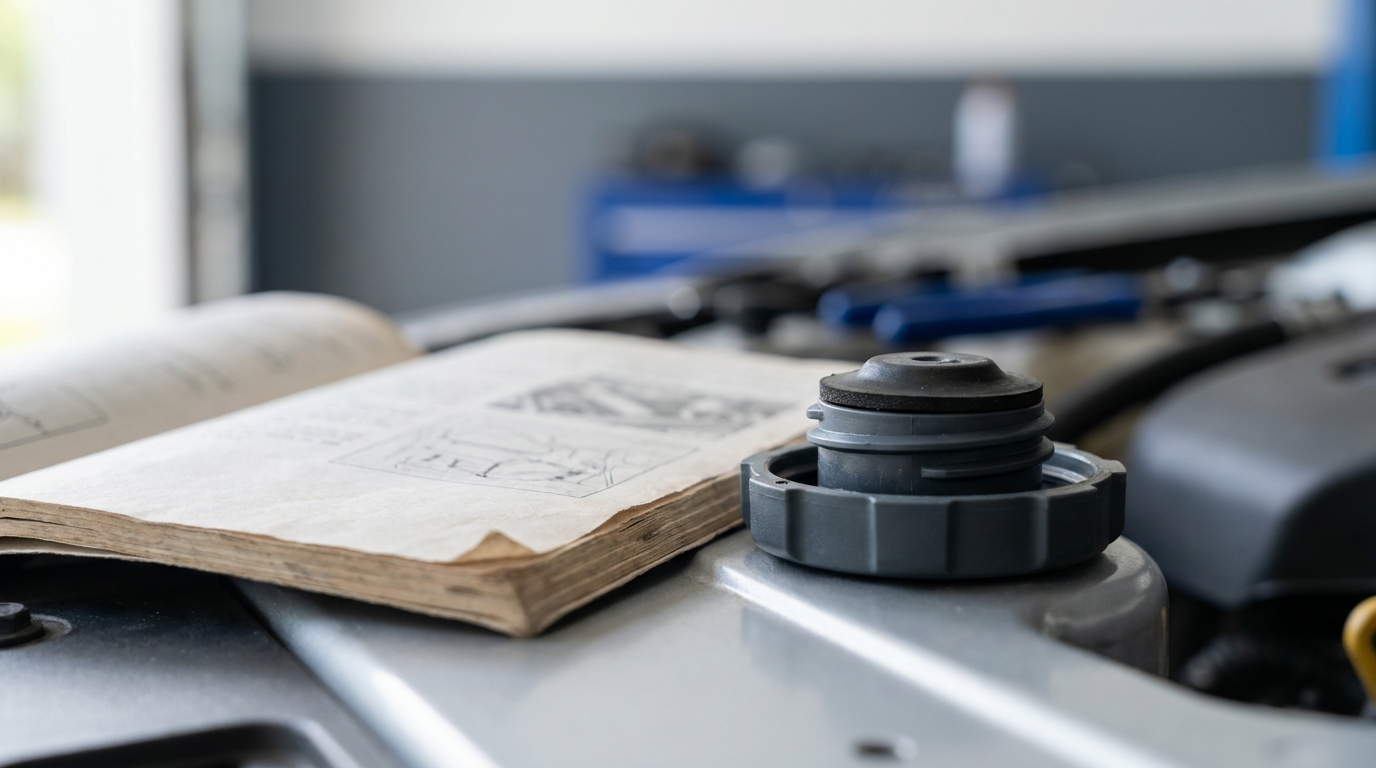
Short answer: add coolant only when the engine is cold. Opening the cooling system while hot can release pressurised steam and scalding fluid, and you’ll also get an inaccurate level reading. To be safe, wait at least 30 minutes after switching off before opening the cap, and longer if the engine overheated (The AA).
What to do if a coolant warning light comes on while driving
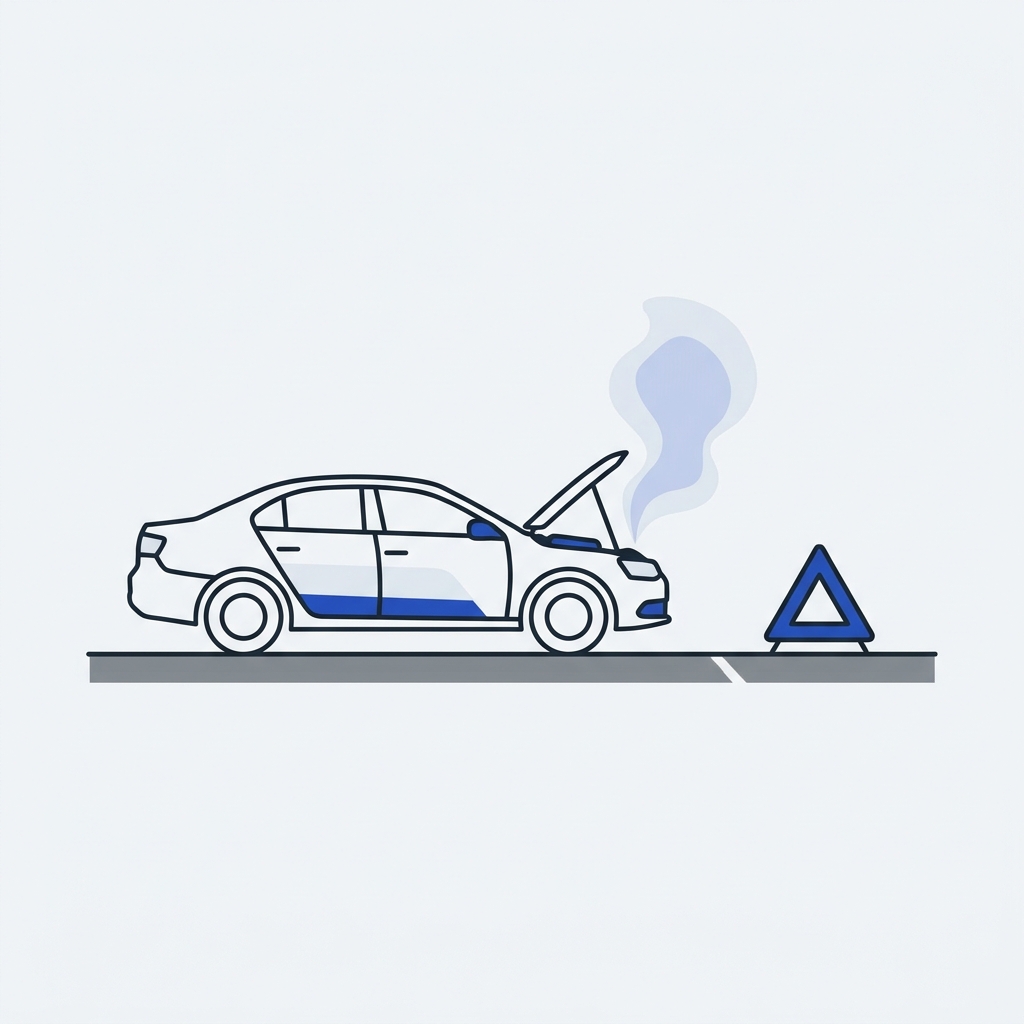
Pull over safely, switch off and let the engine cool fully. The AA explains that a low coolant warning should be addressed before you continue driving to avoid engine damage, but only top up once the engine is cold (The AA). If the light is red (overheating or very low level), do not keep driving; allow more time to cool and consider assistance.
Why you should only add coolant when cold
- Burn and pressure risk: a hot system is pressurised. Opening the cap can release hot coolant or steam suddenly, causing severe burns (The AA).
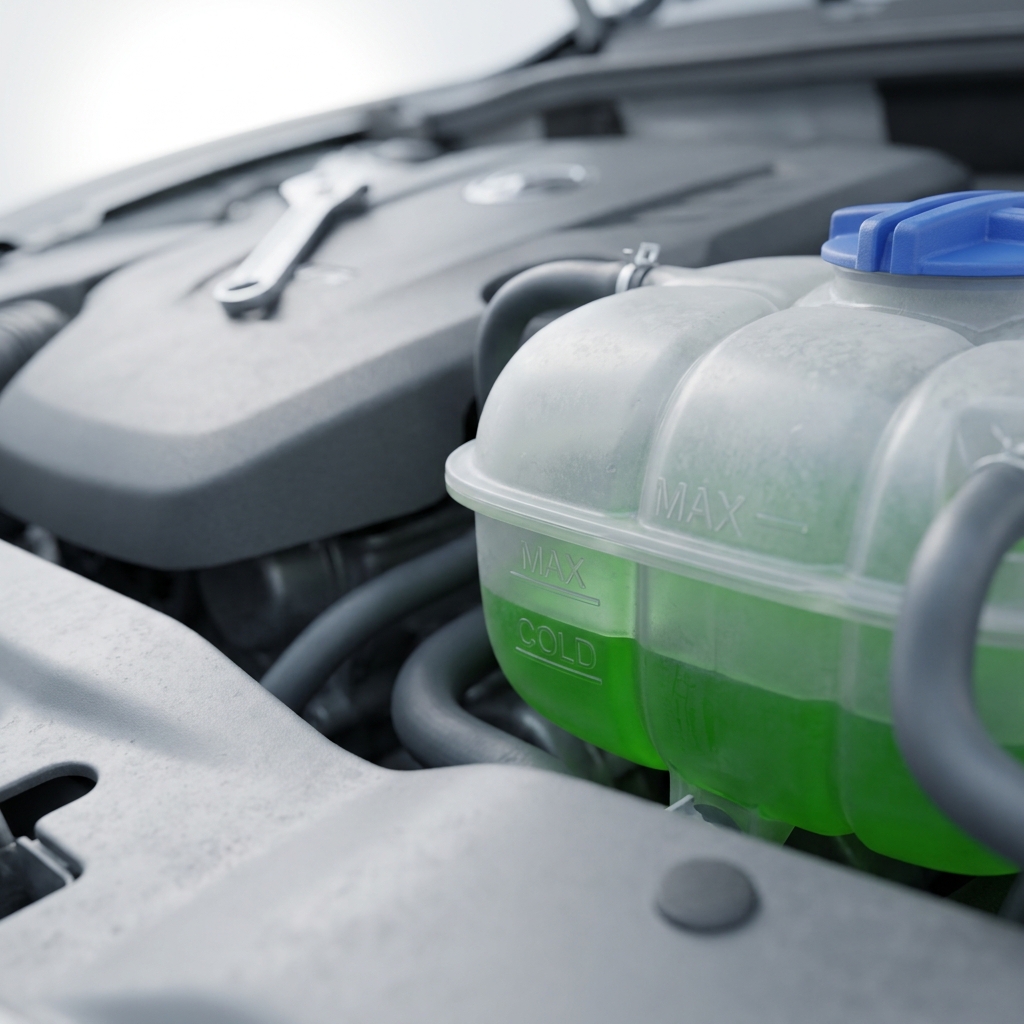
- Accurate reading: the translucent expansion tank should be read between the min and max marks, which is reliable only when the engine is cold (The AA).
- Safety around fans: electric cooling fans can start automatically even with the keys removed. Keep hands clear and work only when the engine is off and cool (The AA).
Step-by-step: check and top up coolant safely (engine cold)
- Park on level ground. Wait at least 30 minutes after shut‑down before opening the coolant cap; longer if the engine overheated (The AA).
- Find the expansion tank. Check your handbook for the coolant filler cap location, and make sure you’re not opening screen wash, brake fluid or power steering reservoirs by mistake (The AA).
- Read the level on the tank. The coolant should sit between the min and max marks. If it’s below min, top up (The AA).
- Add the correct fluid. Use the coolant type specified for your car; different types don’t mix well. If you’re using concentrate, a 50/50 water-coolant mix is typical unless your manual specifies premixed coolant (The AA).
- Fill slowly to just below max. Do not overfill. Secure the cap firmly (The AA).
- Inspect for issues. Check visible hoses and joints for wet patches or white staining that can indicate leaks. Recheck the level soon after a drive and cool-down; a repeat drop means the car should be checked at a garage because it’s not normal for the level to fall (The AA).
Emergency-only option: water
If you’re stranded and only have water, you may add a small amount to a cold engine to reach a garage. This is a temporary measure; restore the correct coolant concentration as soon as possible, especially before freezing conditions (The AA).
Choosing the right coolant
- Check the owner’s manual for the exact specification your car requires.
- Don’t rely on colour; different types don’t mix well and are not interchangeable (The AA).
- Some vehicles use premixed coolant that shouldn’t be diluted. Follow your manual’s directions (The AA).
When to stop DIY and get help
Stop and seek professional help if the red temperature or coolant warning shows, if the engine overheats, if you see obvious leaks, or if the level keeps dropping after a correct cold top‑up. Driving on can cause severe engine damage (The AA).
Before you add coolant (engine cold): a quick checklist
FAQ
How long should I wait before opening the coolant cap?
At least 30 minutes after switching off; wait longer if the engine overheated (The AA).
Can I open the radiator or reservoir cap when warm?
No. Only open when cold. A hot, pressurised system can release scalding coolant or steam (The AA).
Do I need the engine running to add coolant?
No. The engine must be off and cold for an accurate reading and to avoid burns (The AA).
