
The journal
How to check car tire pressure: simple cold-check steps
Practical steps to check car tire pressure when cold, pick a gauge, set the right PSI from your door-jamb sticker, and adjust safely.
Quick answer: how to check car tire pressure
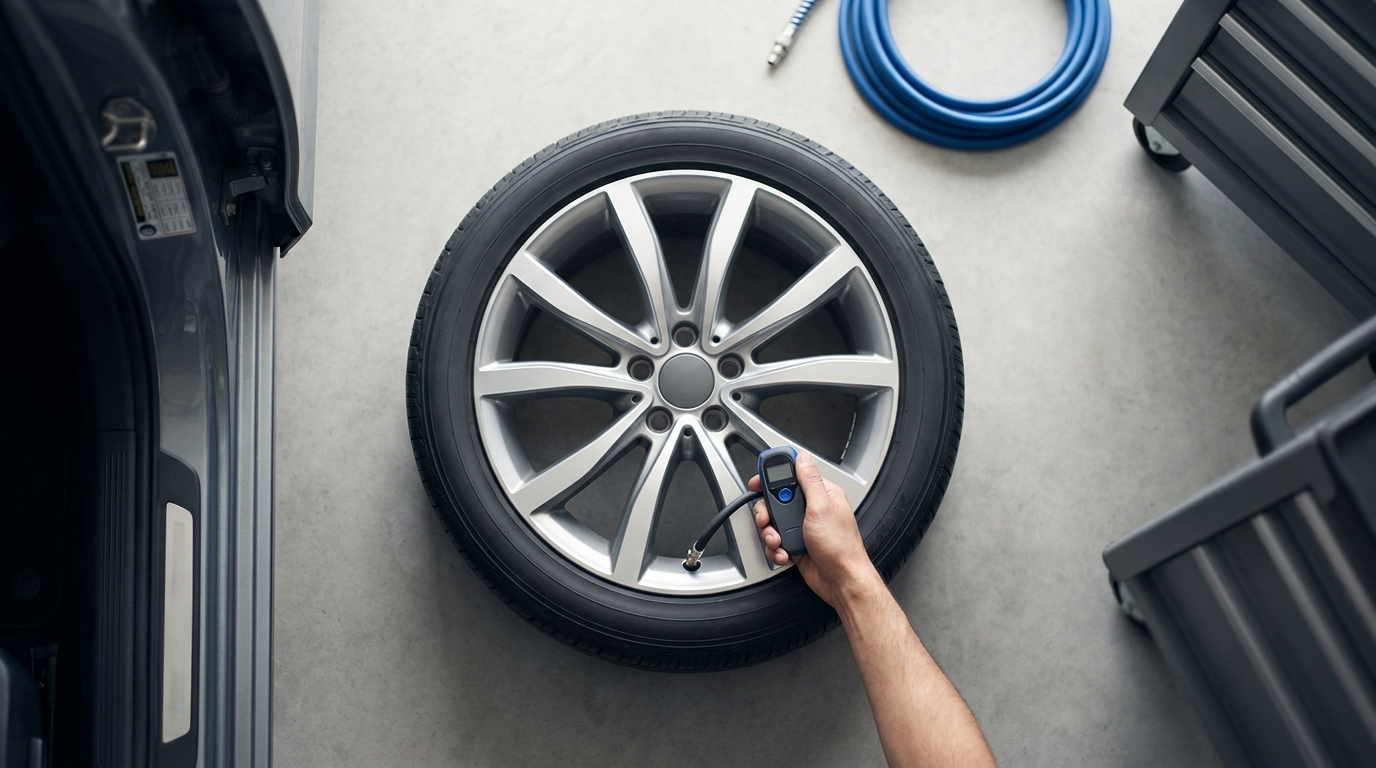
Start with cold tires. Find the recommended PSI on the Tire and Loading Information label inside your driver door jamb (or in the owner’s manual), then use your own gauge to read each tire and adjust to those values. Don’t use the sidewall number; that’s a maximum, not the target https://www.calcas.com/how-to-properly-check-tire-pressure.
Tools and finding the correct pressure
Gauge options that work
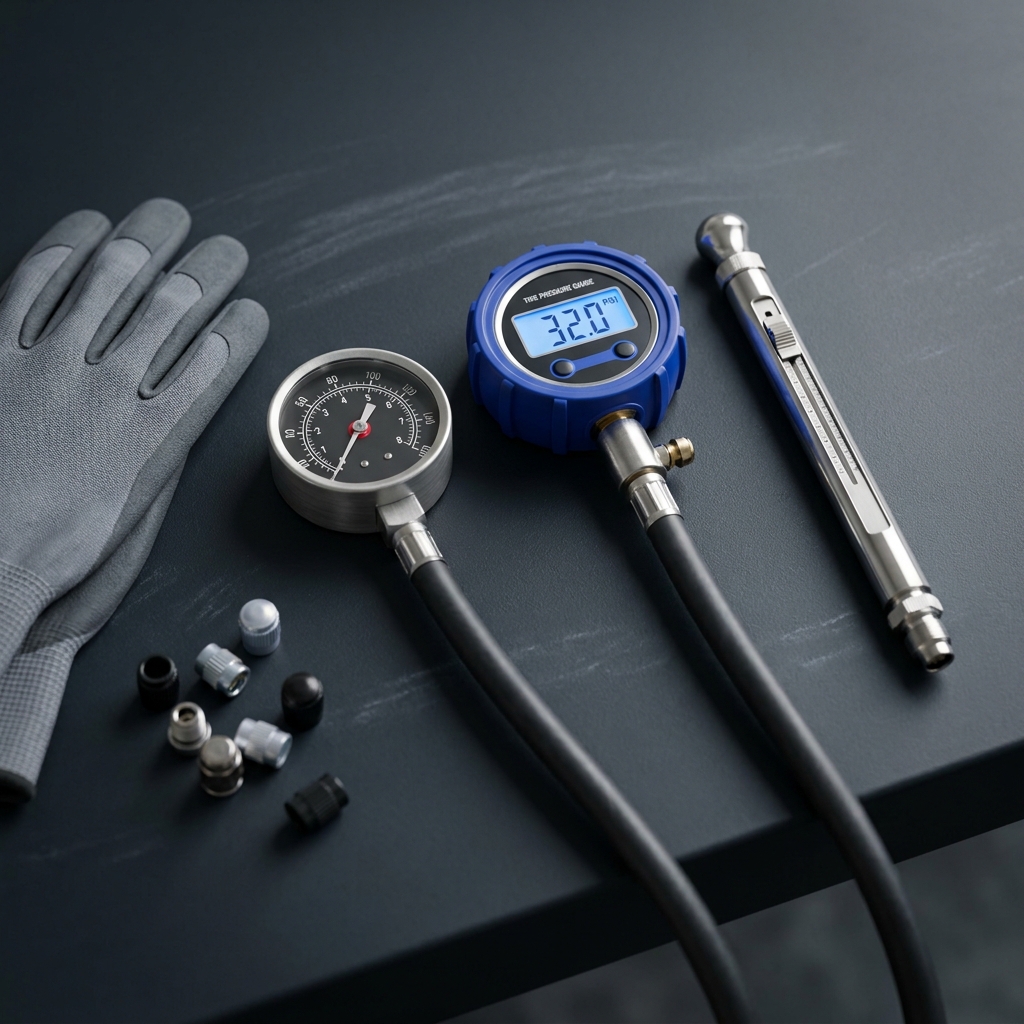
A dedicated gauge is essential. Common types are stick (pen-style), dial, and digital gauges. Own one you trust, since gas-station gauges aren’t always accurate https://www.calcas.com/how-to-properly-check-tire-pressure https://www.lafontainechryslerdodgejeepramfenton.com/how-to-check-tire-pressure-fenton-mi.html.
Where to find the right PSI
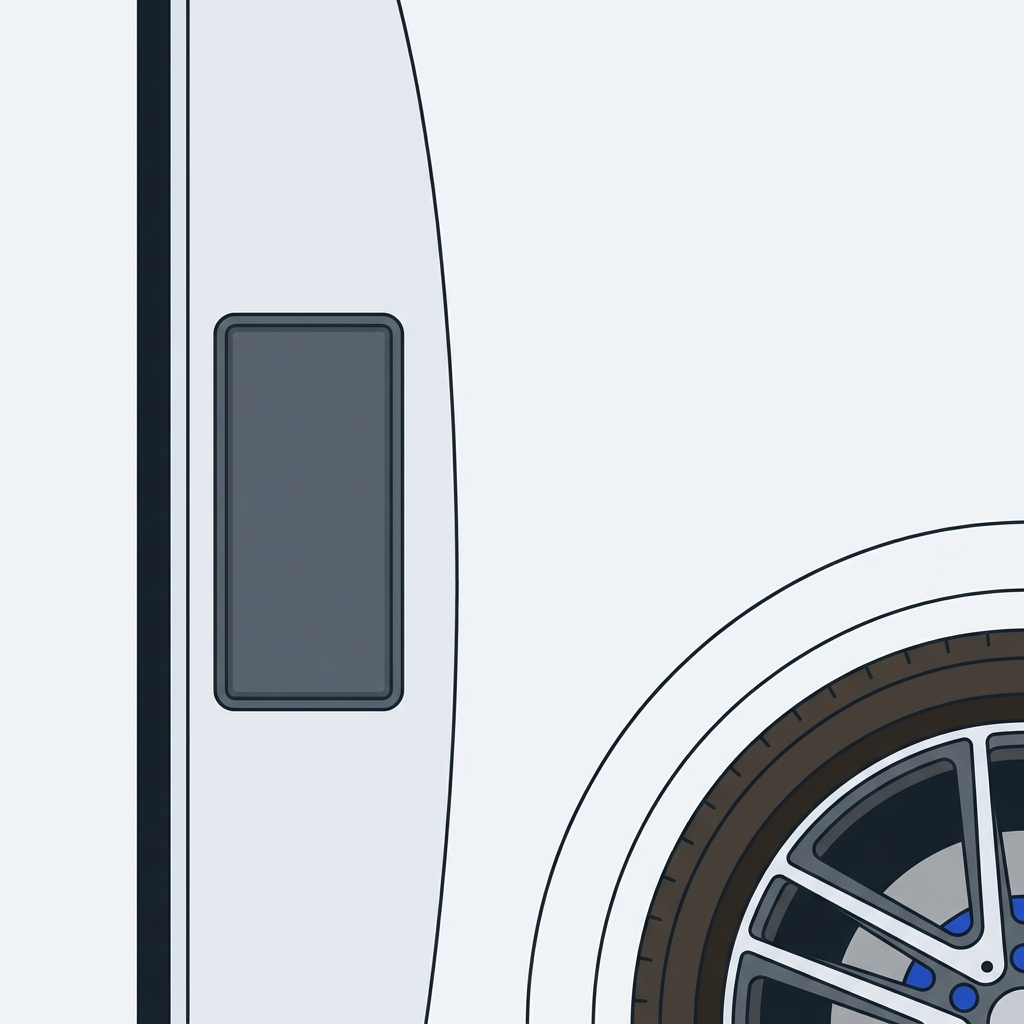
Use the vehicle’s placard in the driver door jamb or your owner’s manual. Do not set to the sidewall number; that’s the tire’s maximum. Note that some vehicles specify different front and rear pressures https://www.calcas.com/how-to-properly-check-tire-pressure https://www.lafontainechryslerdodgejeepramfenton.com/how-to-check-tire-pressure-fenton-mi.html.
Step-by-step: cold tire pressure check
Preparation
Confirm the tires are cold: the vehicle has been parked 3 or more hours, or driven less than a mile at moderate speed. Checking in the morning helps ensure a true cold reading https://www.calcas.com/how-to-properly-check-tire-pressure https://www.lafontainechryslerdodgejeepramfenton.com/how-to-check-tire-pressure-fenton-mi.html.
Measure each tire
1) Park on level ground. 2) Remove the valve cap and press your gauge straight onto the valve stem until any hissing stops. 3) Read the gauge and compare to the vehicle placard PSI. 4) Repeat for all four tires and, if accessible, your spare so it’s ready when needed https://www.calcas.com/how-to-properly-check-tire-pressure.
Adjust and recheck
To add air, use a home compressor or a gas-station inflator. To release air, briefly press the valve core with a small tool (like a flathead screwdriver), then remeasure. If you had to drive a few miles to reach an air pump, add the amount you were low at home and recheck later when the tires are cold to confirm the final setting https://www.calcas.com/how-to-properly-check-tire-pressure.
Interpreting readings, seasons, and warning lights
Weather effects
Air contracts in cold weather and expands in heat. A typical drop is about 1 psi for every 10°F decrease, so expect pressure to fall during cold snaps and rise in heat. Check and adjust with season changes https://www.calcas.com/how-to-properly-check-tire-pressure.
TPMS reminders
Your tire pressure light can turn on from temperature swings or a small leak. Many systems trigger around 25% below the recommended pressure; still, use your gauge and the placard PSI to verify and correct, then monitor https://www.calcas.com/how-to-properly-check-tire-pressure.
Common mistakes to avoid
- Using the sidewall’s maximum PSI as your target instead of the door-jamb placard https://www.calcas.com/how-to-properly-check-tire-pressure.
- Relying on a gas-station gauge without verifying with your own https://www.lafontainechryslerdodgejeepramfenton.com/how-to-check-tire-pressure-fenton-mi.html.
- Skipping the recheck after adding or releasing air.
- Forgetting valve caps, which help keep debris out and slow leaks.
How often to check
Make tire pressure checks a monthly habit, and repeat when the weather shifts meaningfully. Quick monthly checks help you catch slow leaks early https://www.calcas.com/how-to-properly-check-tire-pressure https://www.lafontainechryslerdodgejeepramfenton.com/how-to-check-tire-pressure-fenton-mi.html.
Cold tire pressure check: do this in 5 minutes
FAQ
Can I check pressure right after driving?
You’ll get a warmer reading that’s higher than true cold pressure. If you must add air after driving, add only the amount you were low at home and recheck later when the tires are cold to confirm the final setting https://www.calcas.com/how-to-properly-check-tire-pressure.
What if a tire keeps losing pressure?
Top it up to the placard PSI and monitor. If it drops again, have a shop inspect for punctures, valve, or wheel issues.
