
The journal
Can you put microfiber towels in a washing machine? A practical guide
how to wash microfiber towels safely: step-by-step machine-wash guidance, detergent tips and drying methods for car detailing towels.

Short answer: can you wash microfiber towels in a washing machine?
Yes. In most cases you can machine wash microfiber towels safely, provided you follow careful sorting, use the right detergent and avoid fabric softener or bleach. How to wash microfiber towels successfully comes down to removing oils and residues without clogging the tiny fibers that give these towels their cleaning power.
Machine washing is appropriate for ordinary, non-hazardous detailing soil when the towel and appliance labels permit it. Keep towels contaminated with fuel, solvents, heavy oil or other flammable products out of household laundry and dryers; follow the product safety data sheet and local disposal guidance.
Quick pointers for busy readers:
- Yes, machine wash is commonly acceptable when towels are sorted by use and not overloaded.
- Do not wash microfiber with cotton or other linty fabrics, because lint reduces absorbency and can cause streaking.
- Avoid fabric softeners and bleach, and use a mild liquid detergent or a detergent formulated for performance fabrics.
If you want step-by-step washing and drying instructions, and a short checklist you can pin in your garage, continue through this guide for practical details on pre-wash prep, washer settings, drying and storage.
Quick summary for busy readers
How to wash microfiber towels starts with sorting by use, separating contaminated towels, choosing warm water and a gentle cycle, and drying on low heat or air. Small adjustments at each step preserve the split fibers and the towel's ability to pick up dirt and liquids.

When machine washing is appropriate vs hand washing
For ordinary detailing towels, follow the towel manufacturer’s washing instructions. Solvent- or fuel-contaminated cloths need separate handling, not a household pre-soak or rinse. Never assume washing removes a flammable contaminant.
How to prepare microfiber towels before you wash them
Sorting by use and color
Start by grouping towels by what they were used for. Keep towels used for oily tasks, engine work, or compound and polish removal separate from those used for glass towels or interior surfaces. This prevents cross-contamination, where oils or polish residues reduce the effectiveness of towels used for delicate tasks.
Also sort by color so staining does not spread across the load. Light colored glass towels and interior towels should be washed separately from dark towels used for wheel or engine cleaning.
Shake out each towel outside or over a trash bin to remove grit and coarse debris before loading them into the washer. Large particles can abrade fibers during the wash and cause microscopic damage that shortens towel life.
Can you put microfiber towels in a washing machine safely?
Yes, you can machine wash microfiber towels when you sort by use, exclude flammable contamination, use a mild detergent, avoid fabric softener and dry on low heat or air to preserve fiber performance.
Pre-cleaning and stain removal
For ordinary polish residue, follow the microfiber-detergent label. Do not attempt to make oil- or solvent-soaked cloths safe for domestic washing by rinsing them in a sink.
For non-hazardous dried-on products, use only a treatment compatible with the towel and product labels. Do not add solvents to laundry.
Best washing machine settings and detergents for microfiber towels
Temperature, cycle and spin choices
Choose a warm water temperature for most microfiber towels. Warm water helps dissolve oils and carry soils away without risking the heat-related damage that high heat can cause to certain microfiber constructions. Unless a towel is labeled for hot water, avoid very hot settings that may deform elastic bindings or reduce softness.
Use a gentle or normal cycle rather than heavy or bulky cycles. A standard cotton or heavy-duty cycle can be overly aggressive and cause fiber wear. Set a moderate spin speed to reduce drying time while avoiding excess agitation that can lead to fraying.
Measure load size carefully. Overstuffing the drum prevents proper agitation and rinsing, leaving detergent and soils trapped inside fibers. Aim for a loosely filled drum where towels have room to move; a good rule is fill the washer to about two thirds for front loaders and to a similar visual level for top loaders.
Which detergents to use and which to avoid
Use a mild liquid detergent or a detergent formulated for synthetic or performance fabrics. Liquid detergents rinse out more cleanly than powdered ones and are less likely to leave residue in the microfiber. Use the manufacturer recommended dose or slightly less if your washer has efficient rinsing.
Do not use fabric softener or dryer sheets. Fabric softeners coat fibers with a thin film that reduces absorbency and impairs the towel's ability to pick up dirt. Bleach and oxygen-based brighteners are also generally to be avoided because they can weaken fibers or change texture, especially with repeated use. If you need to disinfect or remove strong stains, consider a targeted soak and an extra rinse cycle rather than a routine bleaching approach.
For loads that had heavy oils, run an extra rinse cycle to ensure all detergent and loosened soils are fully washed out. A second rinse reduces the chance of residues building up inside microfibers and leaving towels stiff or streaky after drying.
Drying and storing microfiber towels the right way
Tumble dry vs air dry
Never tumble-dry cloths contaminated with flammable materials. Check the appliance’s fire-safety instructions. The low-heat advice below applies only to ordinary washed towels that are safe to dry under those instructions.
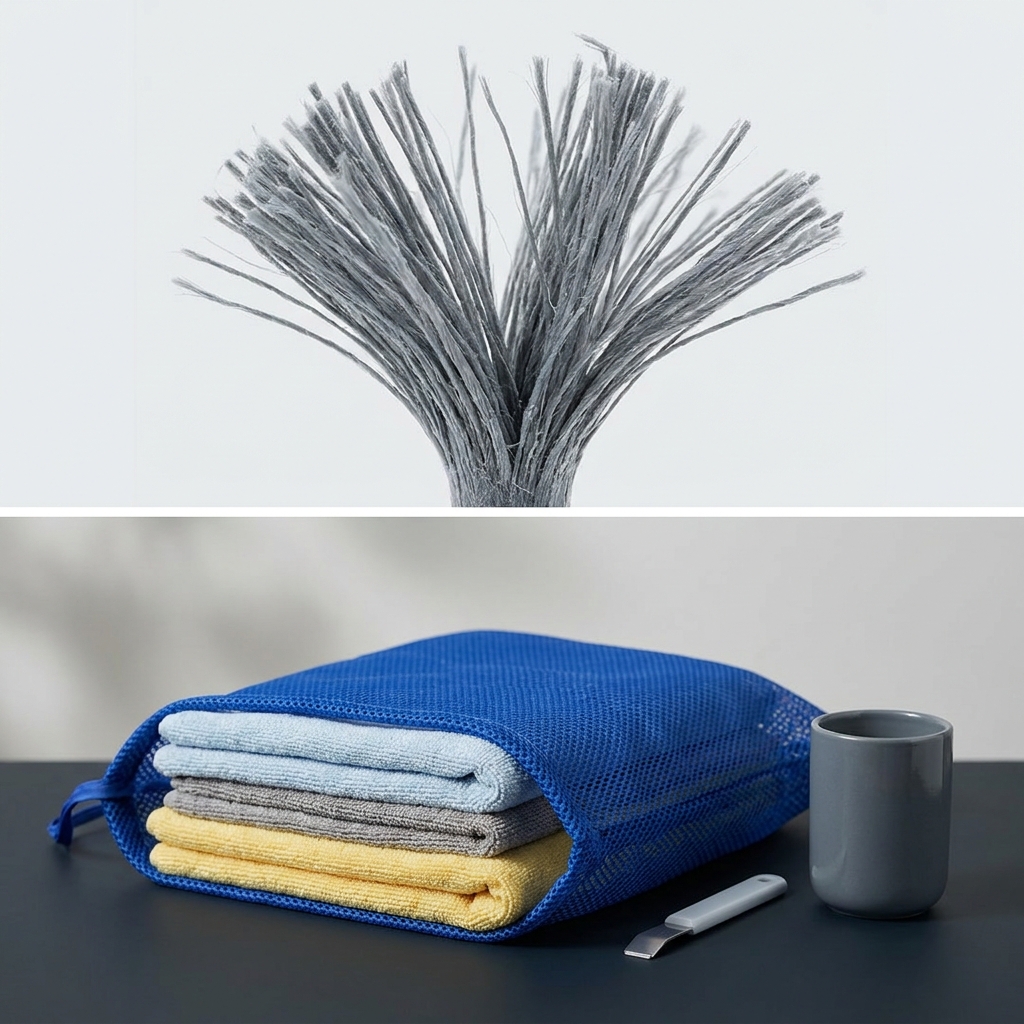
Dry towels on low heat or use an air dry setting. High heat can damage certain microfiber weaves and degrade bindings and logos. Low heat removes moisture while preserving the split fibers that give microfiber its cleaning ability.
Air drying is perfectly acceptable and avoids any heat risk. When line drying, shake or fluff towels before hanging to restore loft and to help separate layers so they dry evenly. Do not use dryer sheets because they deposit residues that reduce absorbency.
How to store to avoid contamination
Store clean towels in a dry, dust-free space and keep them separated by activity. Use dedicated containers or labeled breathable bags so glass towels, paint towels and wheel towels do not get mixed up. Avoid storing towels near garage solvents, oily rags or dusty surfaces where contamination can occur.
Remove towels from the dryer promptly and fold or stack them so air can circulate a little between layers. Prompt removal reduces wrinkling and the chance that any residual moisture will lead to mildew or odors.
Common mistakes and troubleshooting when washing microfiber towels
What damages microfiber and how to fix it
Common mistakes include using bleach or fabric softener, washing microfiber with lint-producing fabrics, and overfilling the washer. Each of these changes how the towel interacts with dirt and liquids; fabric softener leaves a film, lint clings to the tiny fibers and overloading prevents proper rinsing.
If towels feel stiff or waxy, rewash them according to the towel and detergent instructions with an extra rinse if permitted. Avoid mixing improvised cleaning additives, and do not exceed the temperature stated on the label.
How to restore residue-clogged towels
For towels that attract streaks or leave residue, soak them in warm water with a small amount of liquid detergent or a dedicated degreasing laundry additive for 30 to 60 minutes, then run a full machine cycle on warm with an extra rinse. If residue persists, repeat the soak or try a detergent-only cycle with an added rinse. Avoid aggressive chemicals that could damage the microfibers.
If a towel picks up lint, wash it separately from cotton and inspect it before using it on paint or glass. Do not put adhesive lint rollers into a washing machine. Retire a towel from delicate work if grit or lint remains.
Practical wash scenarios, checklist and final takeaways
Step-by-step example wash for car detailing towels
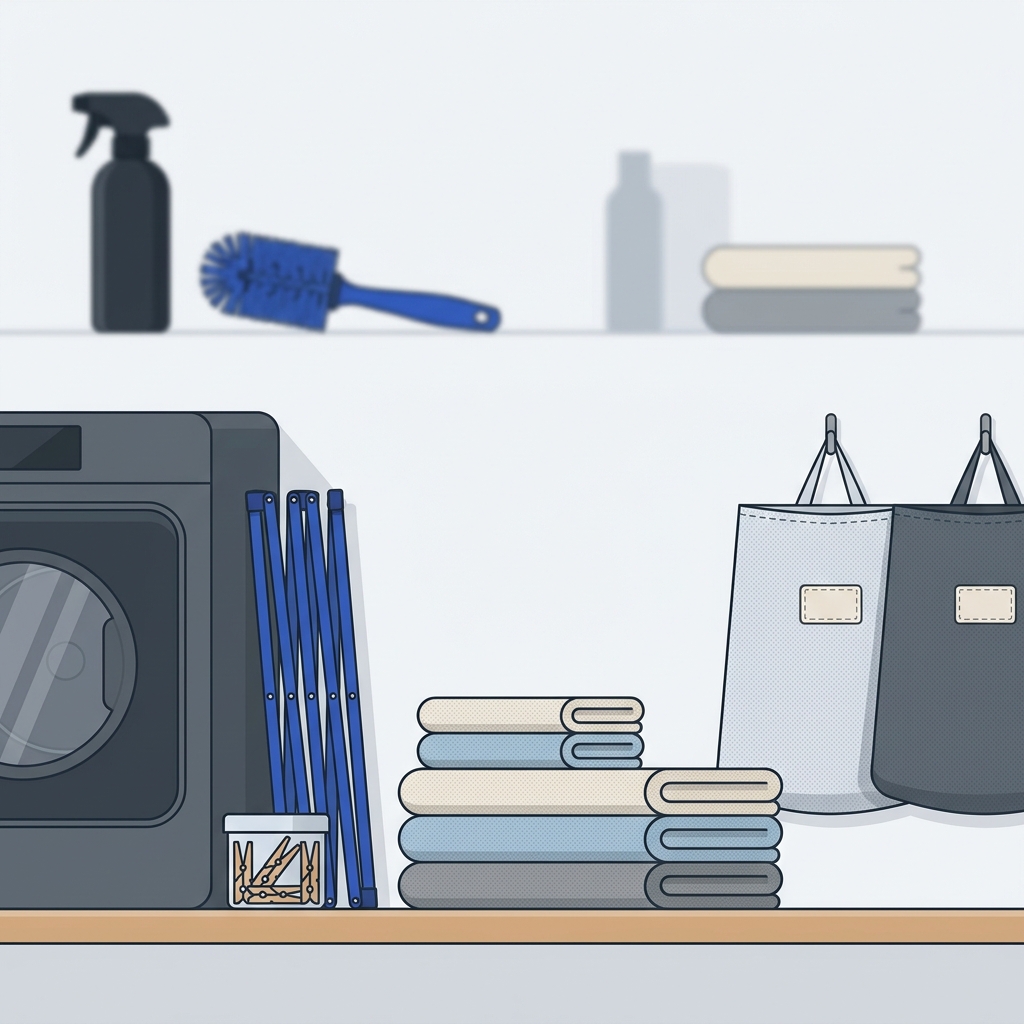
Example: keep towels used for routine paint drying separate from towels used on wheels. Put any fuel-, solvent- or oil-contaminated cloths aside for appropriate handling, away from heat and household laundry.
1. Inspect for grit and contamination. 2. Sort ordinary, washable towels by task. 3. Leave room in the drum. 4. Use the labelled detergent dose. 5. Select a permitted wash temperature and cycle. 6. Rinse thoroughly. 7. Dry only as allowed by the care label. 8. Store fully dry towels in clean containers.
One-paragraph checklist to print or save
Checklist: Sort by use and color, shake out debris, exclude fuel-, solvent- and oil-soaked towels, wash towels separately from linty fabrics using warm water and mild liquid detergent, avoid fabric softener and bleach, run an extra rinse where needed, dry on low heat or air and store clean towels in labeled breathable containers.
Replace towels when they lose absorbency, show frayed fibers, or repeatedly leave streaks after proper washing. Regular inspection and conservative replacement ensure reliable results for paint and glass work.
Final takeaways: Machine washing is a practical choice for most microfiber towels when you follow a clear routine of sorting, pre-cleaning, correct detergent use and careful drying. These steps protect the split fibers and keep towels effective for longer, saving time and money in the long run.
Frequently asked questions
Can I use bleach to sanitize microfiber towels?
No, avoid bleach for routine cleaning because it can weaken fibers and change texture. A routine detergent wash is not a validated disinfection process. Follow the towel and disinfectant manufacturer’s instructions if disinfection is required.
Will fabric softener ruin microfiber towels?
Yes, fabric softener and dryer sheets deposit a film that reduces absorbency and cleaning performance, so do not use them with microfiber.
How often should I wash my detail towels?
Wash towels after each use for paint and glass work, or whenever they are visibly soiled or contaminated. Heavily soiled towels should be cleaned separately.
Following a consistent wash and storage routine lets you get the best life and performance from microfiber towels. With careful sorting, mild detergent use and low-heat drying or air drying, most towels will stay effective for many washes. If a towel no longer performs after proper cleaning, replace it for critical tasks and keep it for less visible jobs so you maintain good results where it matters most.
References
- https://drivenandkept.com/detailing-tools/wash-microfiber-car-towels
- https://drivenandkept.com/surface-atlas/glass
- https://drivenandkept.com/resources
- https://adamspolishes.com/blogs/news/how-to-clean-your-microfiber-towels-restoration-rejuvenation-and-maintenance?srsltid=AU7gw4V4RMEAKVJGkfSgHTtiucnpjPokYYnrg3kGErIbie1E0VaJQaof
- https://www.carwash.com/how-to-properly-wash-and-care-for-microfiber-towels/
- https://blog.kleen-ritecorp.com/the-complete-microfiber-towel-washing-and-care-guide-for-car-washes-and-detailers/
- https://drivenandkept.com/surface-atlas