
The journal
What are the two air filters in a car?
A clear owner guide to the engine air filter and the cabin (pollen) air filter, with typical locations, symptoms to watch for, and simple checks you can do safely.
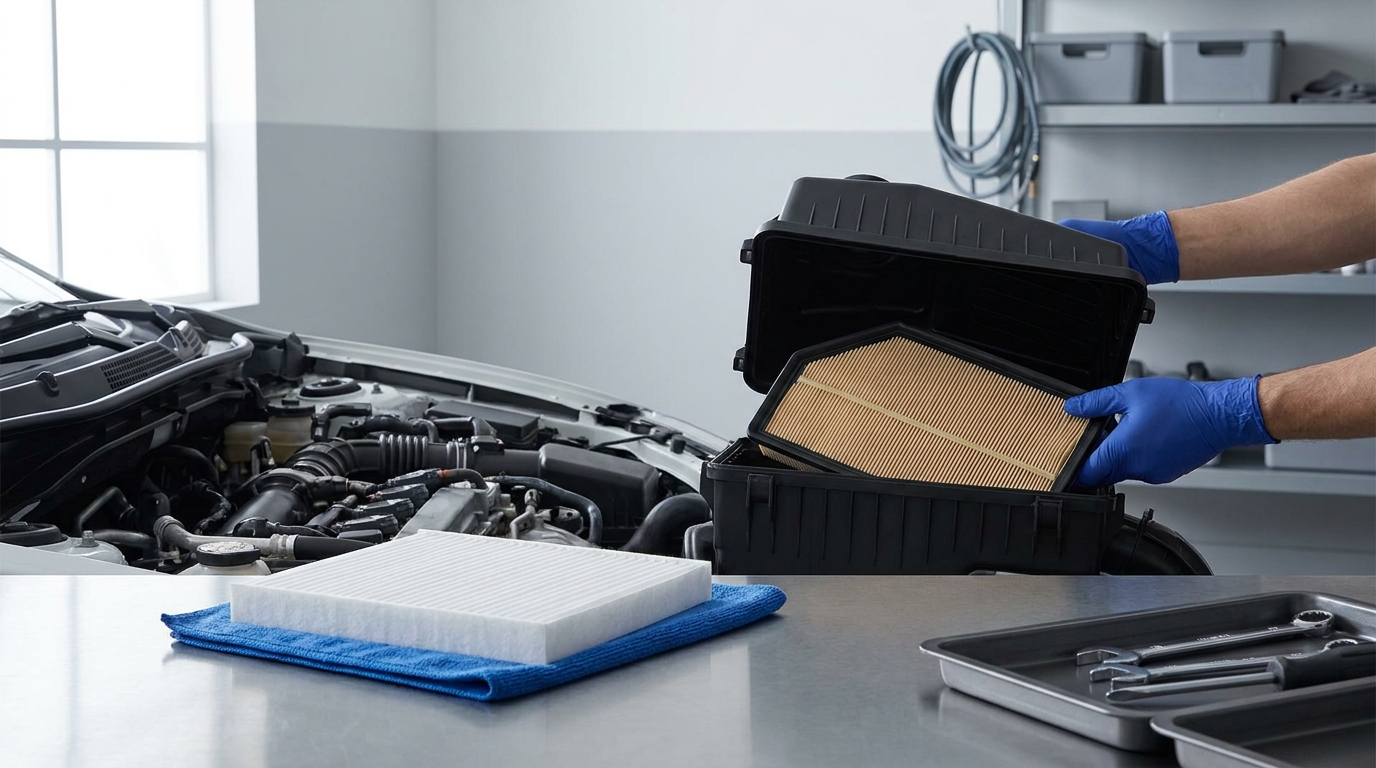
In a typical combustion-engine car, the two filters people mean are the engine air filter, which cleans air before it reaches the engine, and the cabin (pollen) air filter, which cleans air entering the HVAC system for passengers. These have different jobs, locations and replacement needs, and they are serviced separately (Chapel Hill Tire: Your car’s air filters).
Engine air filter: purpose, typical location and signs of clogging
The engine air filter protects the engine by trapping dust, dirt and debris before air enters the intake. It is commonly a flat, pleated element inside a plastic airbox under the hood, ahead of the intake tract (Express Lube Richland Hills: Engine vs cabin air filter).
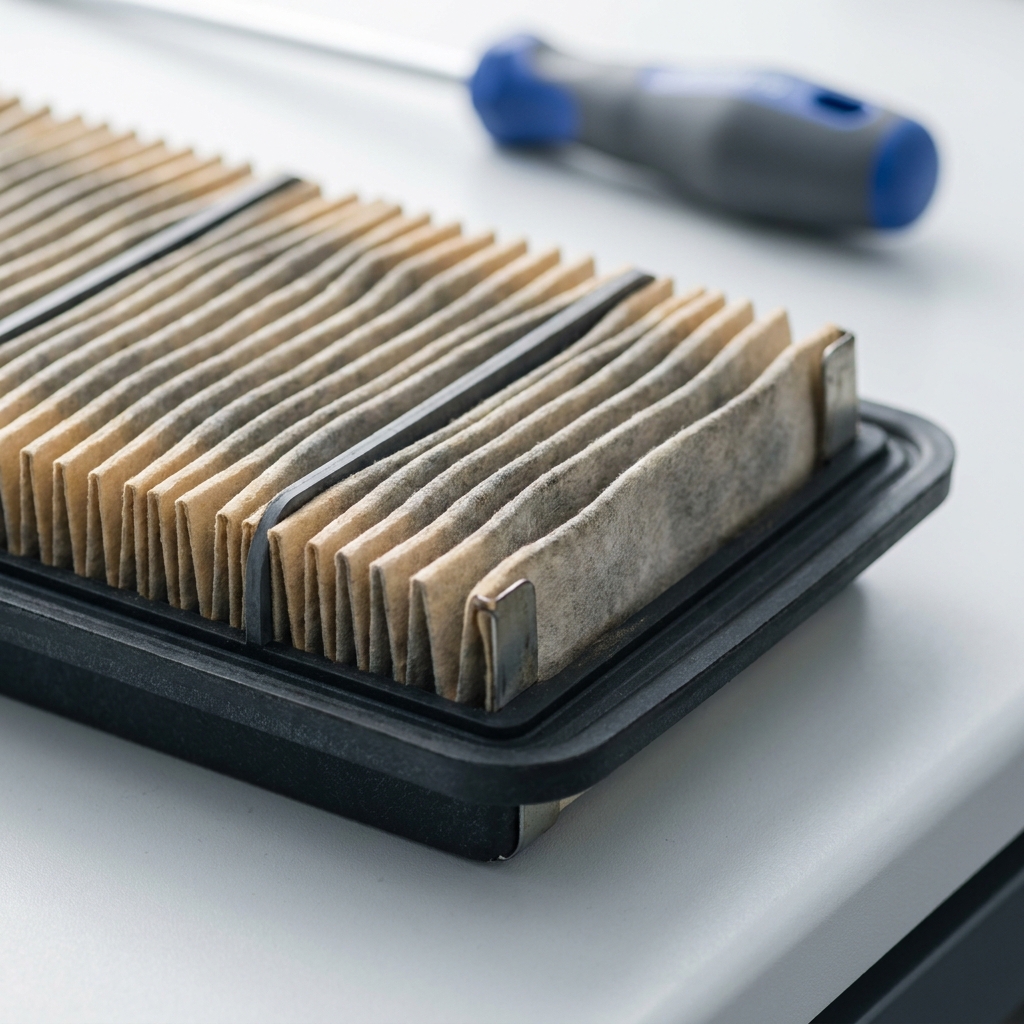
What you may notice when it’s dirty
- Sluggish acceleration or reduced performance
- Poorer fuel economy than usual
These symptoms can have other causes; inspect the filter as part of diagnosis rather than treating them as proof it needs replacement (Chapel Hill Tire: Your car’s air filters).
Cabin air filter: purpose, common locations and symptoms
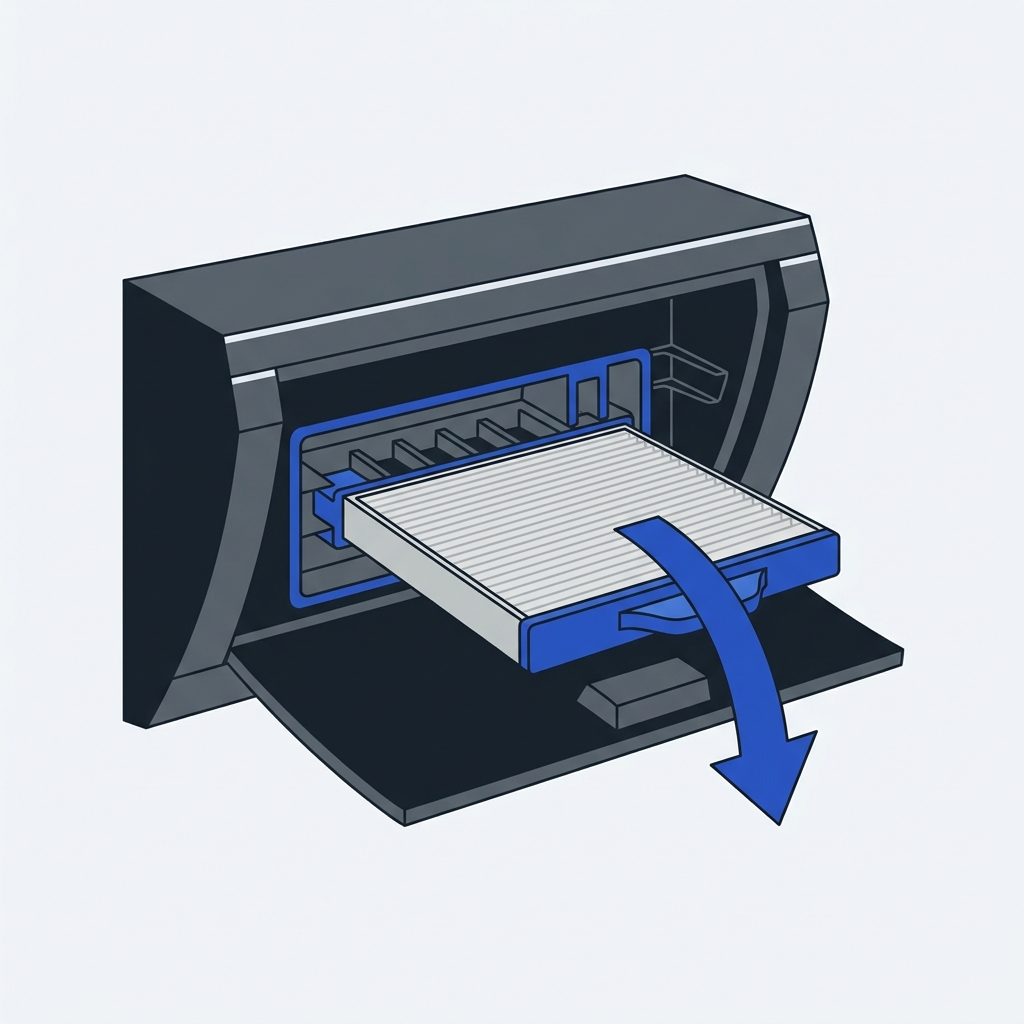
The cabin filter cleans outside air before it enters through your vents, reducing dust and pollen in the cabin. On many vehicles it sits behind the glove box; other common locations include under the passenger-side dashboard or in the cowl area at the base of the windshield (Express Lube Richland Hills: Engine vs cabin air filter).
What you may notice when it’s clogged
- Weak airflow from vents, especially on higher fan speeds
- Musty or unpleasant odors when using HVAC
These practical signs point to a cabin filter that needs inspection and likely replacement (Chapel Hill Tire: Your car’s air filters).
When to check or replace them
Service intervals vary by vehicle and environment. Use your owner’s manual as the primary guide, and shorten intervals if you drive in dusty areas or during heavy pollen seasons. If a filter shows visible heavy contamination or you notice the symptoms above, replace it regardless of mileage (Chapel Hill Tire: Your car’s air filters).
Orientation matters: distinguish an AIR FLOW arrow from an UP orientation mark and follow the vehicle’s fitting instructions; they do not necessarily point the same way. Check the markings on the cabin filter housing and element during reinstallation. If you want a refresher on arrow direction, see our quick explainer: Which way should the arrow point on my cabin air filter?
Basic access and safe stop limits
Park safely, switch the vehicle and ventilation off, and follow the manual before opening housings. Do not run an engine with its intake filter removed. Replace disposable paper elements rather than washing them; clean a reusable filter only by its maker’s method.
Engine filter access
Most airboxes open with metal clips or a few screws. Lift the lid and remove the filter to inspect for dirt, tears or oil saturation. Do not force stuck clips or fasteners; if something resists gentle, reasonable force, stop to avoid breaking the housing (Express Lube Richland Hills: Engine vs cabin air filter).
Cabin filter access
Some glove-box designs have a damper or retaining stops; others need a different procedure. Use the model-specific access steps rather than squeezing or unclipping parts by assumption. Remove the cabin filter cover, slide the element out, check its condition, and note arrow direction for reinstallation (Express Lube Richland Hills: Engine vs cabin air filter).
If airflow is weak and windows are slow to clear, a clogged cabin filter can contribute. For quicker visibility in poor weather, see our step-by-step on defogging car windows safely.
Quick checklist: inspecting your two air filters
FAQ
Do all cars have both an engine and a cabin air filter?
Not all. A battery-electric car has no combustion-engine intake filter, and cabin filtration may use more than one element or a different layout. Check the model’s manual rather than buying a presumed pair (Chapel Hill Tire: Your car’s air filters).
