
The journal
The best treatment for car door rubber seals
Use a purpose-made car-door seal care product that matches your vehicle. Clean and dry seals, apply a thin, even layer with a cloth or sponge per the label, let it air off, and keep spray off pedals and controls.
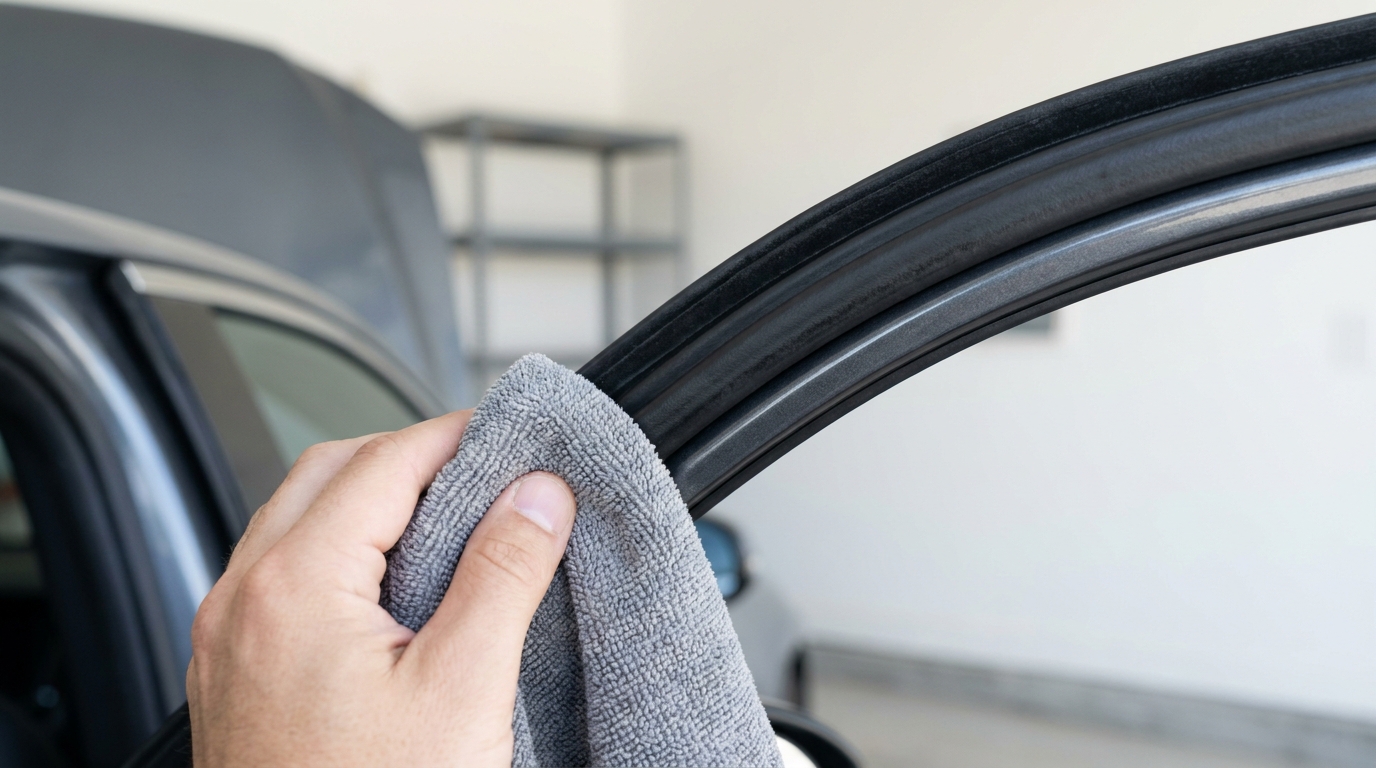
The best treatment for car door rubber seals is a purpose-made automotive rubber seal care product that is compatible with your vehicle’s weatherstrips. Clean and dry the seals first, then apply a thin, even layer with a cloth or sponge as the label instructs, allow it to air off, and avoid spraying near pedals or other controls. For example, LIQUI MOLY Rubber Care Stick (silicone-free) is applied thinly to clean, dry seals and left to air off, and SONAX Rubber Protectant specifies using a cloth on window and door seals and not spraying pedals.
Why this approach works
Care products developed for automotive seals are designed to maintain rubber elasticity and help prevent freezing in cold conditions according to the manufacturers. LIQUI MOLY states its Rubber Care Stick “prevents freezing solid in winter” and “retains the elasticity of the seals with regular use” (LIQUI MOLY Rubber Care Stick). SONAX says its Rubber Protectant “keeps [rubber] elastic,” “prolongs the rubber’s life,” and “prevents door seals... from freezing in winter” (SONAX Rubber Protectant).
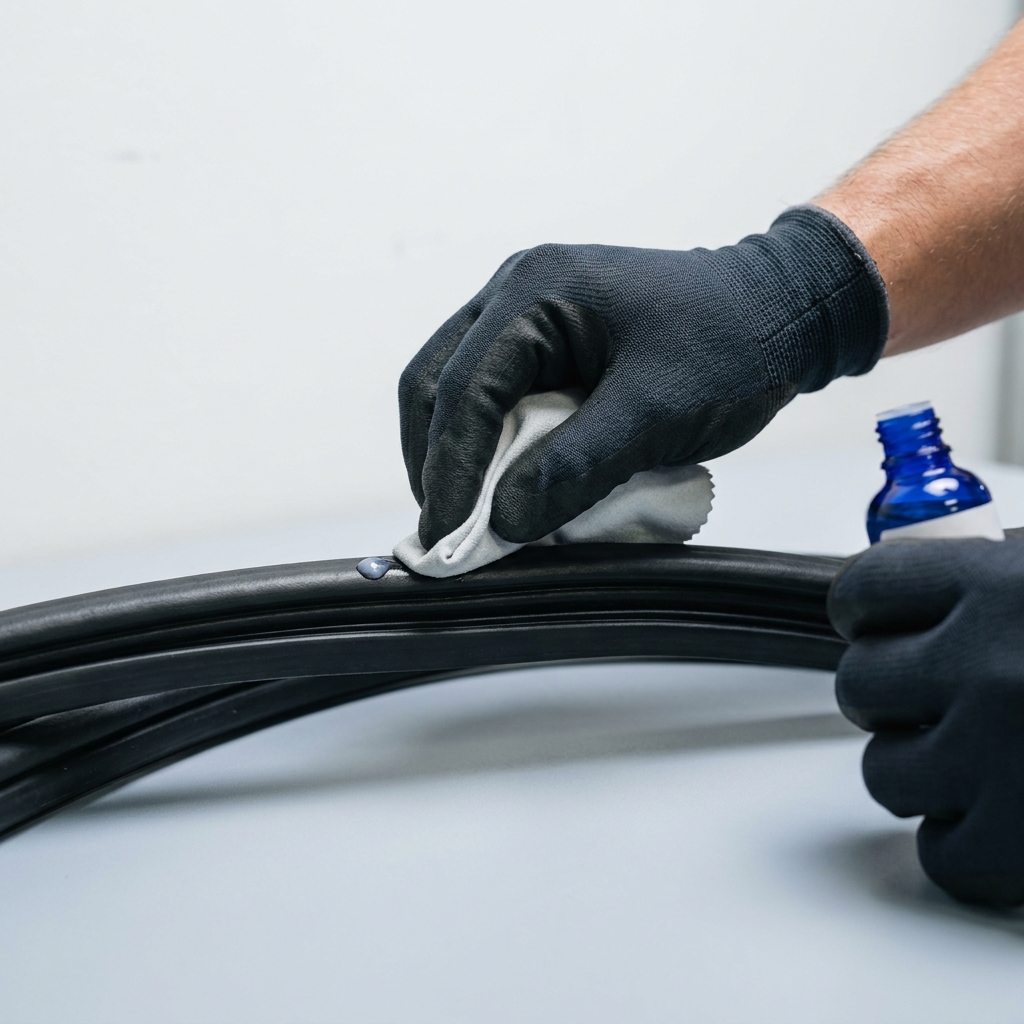
Step-by-step: treat door seals correctly
Preparation
- Check your owner’s manual first. If you’re unsure which products are compatible with your vehicle’s seals, ask the vehicle maker or a qualified technician.
- Work on cool, dry seals in a ventilated area. Gather clean microfiber cloths and follow all product safety directions.
Application
- Remove heavy contamination. Wipe away dirt and debris so the seal is clean and dry before treatment (LIQUI MOLY Rubber Care Stick).
- Apply a thin, even layer. Use the product’s applicator, a sponge, or a cloth to coat the seal lightly with gentle pressure (LIQUI MOLY Rubber Care Stick).
- Use a cloth on window and door seals. Don’t spray these areas directly; apply with a cloth instead (SONAX Rubber Protectant).
- Keep spray away from pedals and controls. SONAX specifically warns not to spray pedals and bicycle or motorcycle wheels (SONAX Rubber Protectant).
- Let it air off. Allow a few minutes for the product to settle before closing doors or driving (LIQUI MOLY Rubber Care Stick).
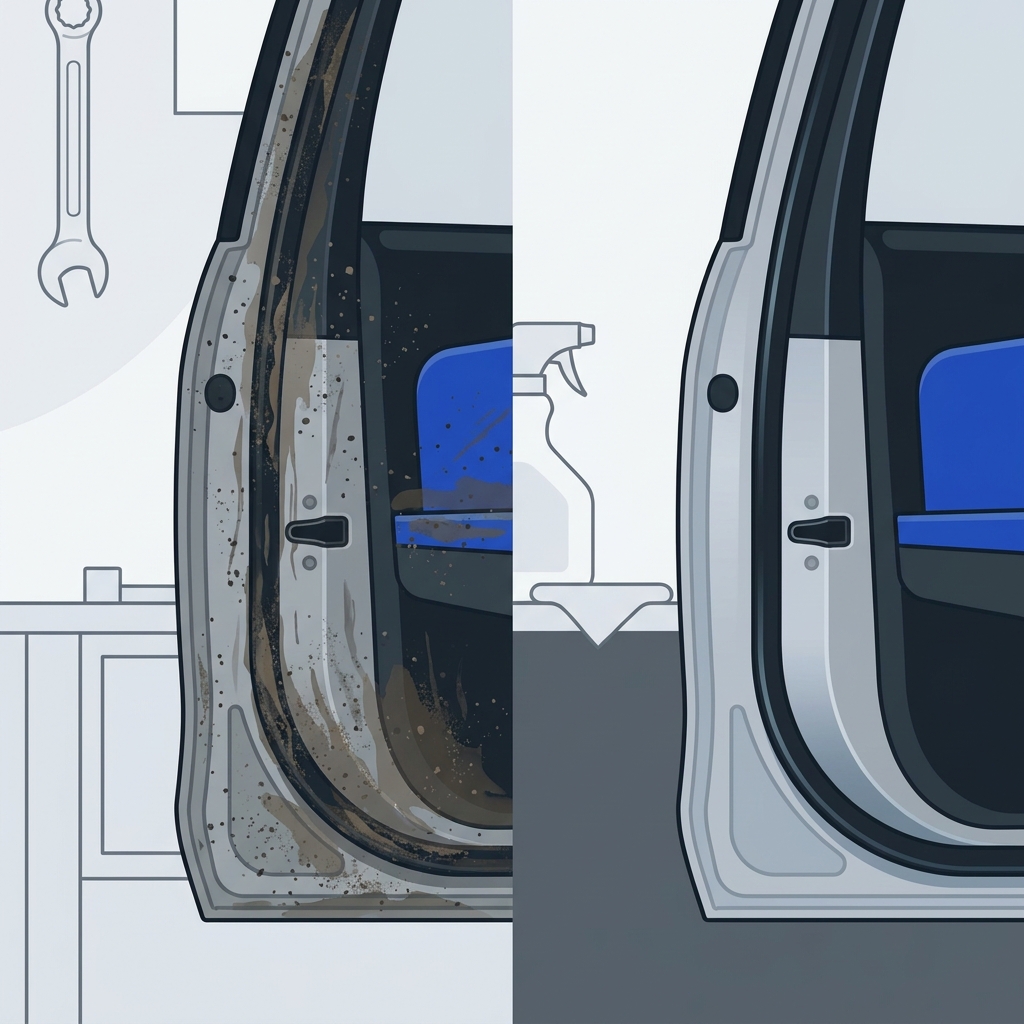
Quick checklist: treating car door seals the right way
Choosing a product: silicone-free or silicone-based?
The “best” product is the one your vehicle maker approves and that the label specifies for door, window and trunk seals. Not all effective options are silicone-based. LIQUI MOLY explicitly offers a silicone-free Rubber Care Stick for treating automotive door, window and trunk seals (LIQUI MOLY Rubber Care Stick). If your manual cautions about certain ingredients, select a compatible alternative and follow the product directions closely. When unsure, ask your dealership or a qualified technician for a recommendation.
What treatment can and cannot do
Seal care products are for maintenance: helping keep rubber conditioned and, per manufacturers, reducing freezing in winter. They are not designed to repair torn, shrunk, detached or permanently compressed seals. If a seal is damaged or still leaks after care, plan for inspection and replacement by a professional.
Helpful related guides
- Keep your cloths in top shape to avoid lint and residue: How to wash microfiber towels.
- Winter grime can load seals with salt; regular washes help overall care: Is it worth washing your car in winter?
