
The journal
What are the typical sizes of car windshield sunshades? A practical size guide
how to choose car sunshade size with step by step measuring, format comparisons, and a practical checklist for the right fit.
What are the common windshield sunshade sizes and types
Car windshield sunshades come in a few familiar formats that affect how they cover glass and how easy they are to store. If you are wondering how to choose car sunshade size, start by thinking about coverage area and the shade format rather than a single numeric label.
Common formats include folding sunshades that collapse into multiple panels, pop-up sunshades that spring into a circle or oval, roll-up shades that fasten to the glass, and custom-fit patterns cut to a vehicle model. Each format changes the way a shade sits against curved glass and how much overlap you can expect at the edges.
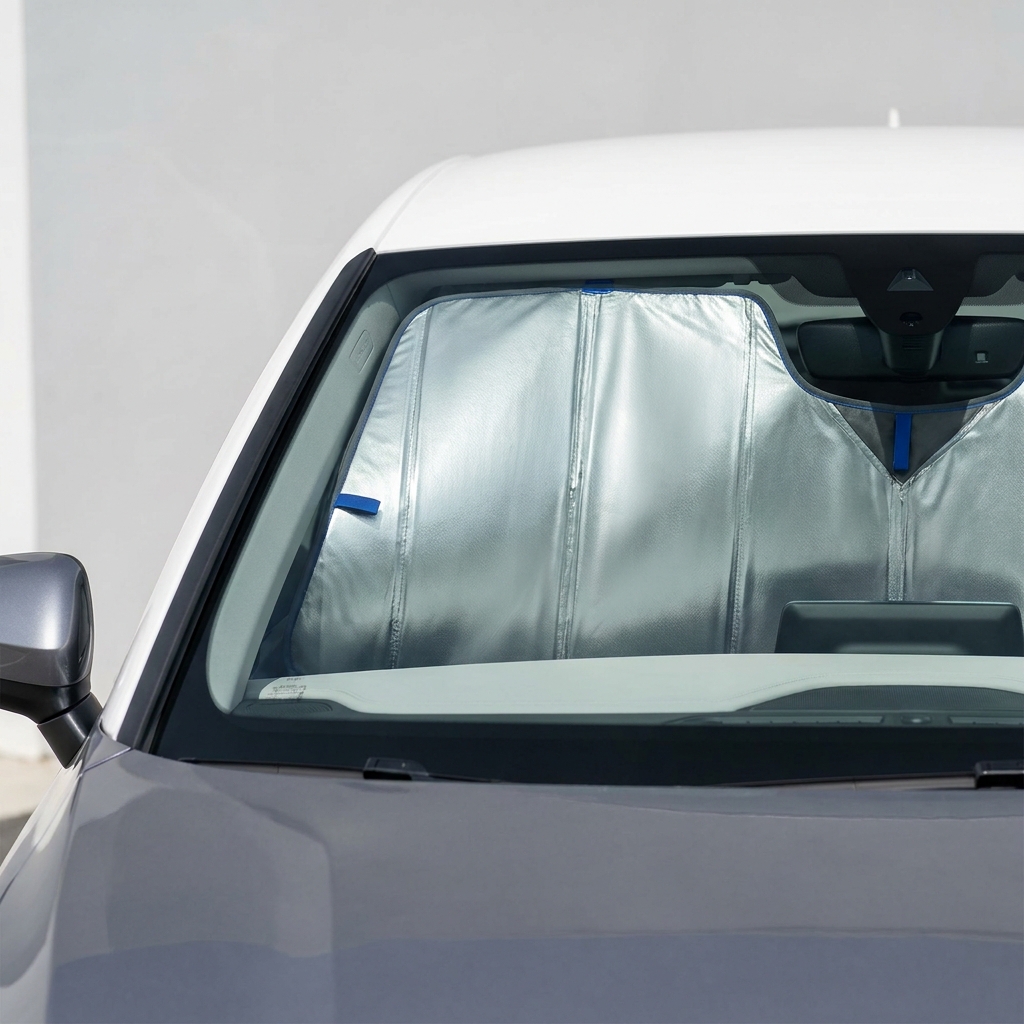
Folding sunshade panels are common for compact storage. They fold down flat and usually come in universal size ranges like small, medium, or large. Pop-up shades are quick to deploy and often offer excellent coverage for wide windshields, but they can be less exact on heavily curved glass. Roll-up shades attach at the top or bottom and are convenient for quick stowage, though they sometimes leave gaps at corners.
Custom-fit sunshades are made to match a specific windshield shape. They typically provide the best coverage around mirrors and pillars, and they reduce the need to tuck or pinch the shade to fit. Custom options tend to cost more and may require a phone search for your exact make and model, while universal options prioritize convenience and lower cost.
Manufacturers label sizes in different ways, so a "large" from one maker may match a "medium" from another. Because size labelling is not standardized, it is better to rely on actual measurements or a fit chart when available. Think in terms of the maximum width and height the shade covers, and whether a design accounts for cutouts or mirrors.
Size and format also interact with mounting style. Suction mounts or tuck-under edges can help a universal shade fit better, while magnetic or rigid frames provide stability but may need precise edge clearance. Consider where the shade will sit versus interior obstacles like rearview mirror bases and rain sensors when selecting style and size.
In short, classify your needs by format, coverage area, and storage preference before you look at labelled sizes. That approach helps you compare sunshade sizes across brands with different naming systems and pick a shade that balances coverage and convenience.
How to measure your windshield so the sunshade fits
Before you buy, measure the windshield from the inside so the shade fits the glass and clears interior fixtures. You will need a tape measure, a helper if possible, and a notepad or phone to record the dimensions. This measuring windshield routine will save returns and ill-fitting purchases.
Step 1, prepare. Park on level ground and close doors. Remove any existing shade so you can access the glass edges. Keep the tape measure flat against the glass while making measurements to avoid adding curvature errors.
Step 2, measure maximum interior width. Run the tape measure along the inside of the glass from the far left edge of the windshield glass to the far right edge, measuring where the shade will rest, not the outer metal flange. Note the point where the A-pillar meets the glass on each side, and record the widest width in inches or centimeters.
Step 3, measure maximum interior height. Measure from the top interior glass edge down to where the glass meets the dash or the trim at the lowest usable point. Record the tallest height the shade would need to cover, and note whether headliner trim or a sun visor reduces usable height.

Step 4, note contours and cutouts. If your windshield has a rearview mirror base, rain sensor, camera housing, or a shaded band at the top, mark those locations and their approximate distance from an edge. For example, measure from the left glass edge to the center of the mirror base, and from the top edge down to the sensor. These points let you decide if a universal shade will require trimming or if a custom-fit is worth it.
Step 5, check pillar and mirror clearance. Record how far the A-pillar curves into the glass area and whether the mirror or camera mounts sit close to the center. If the mirror is large or offset, you may need a shade that either has a cutout or provides overlap to tuck behind the mirror base.
Step 6, account for overlap. Prefer a shade slightly larger than your measured coverage area so it tucks under trim or overlaps the edges by an inch or two. Overlap reduces light creep and keeps the shade in place; a shade that matches your measurements exactly often leaves small gaps.
Step 7, special cases. For convertibles with a steep windshield rake or for very tall trucks with near-vertical glass, measure both at the interior edge and along the curve where the glass meets the frame. Very raked glass can make a flat shade sit away from the surface; in those cases a custom pattern or a flexible pop-up design usually works better.
When you record these measurements, write the width and height and the positions of any obstacles. Keep the notes when shopping so you can compare advertised dimensions or custom-fit options directly to your windshield or consult our Surface Atlas for glass. A few careful measurements will avoid the common error of buying by vague size labels instead of actual fit.
How to choose between universal, folding, and custom-fit sunshades
Choosing among universal, folding, and custom-fit sunshades depends on priorities like fit accuracy, budget, ease of use, and storage. Universal shades are generally the least expensive and quickest to install, while custom-fit shades offer the best coverage for irregular windshields.
Universal folding shades suit owners who want a balance of storage and coverage. They fold compactly and work well for daily use, but they may leave small gaps around deep curves or large mirror mounts. Custom-fit patterns, conversely, are cut to follow glass contours and hold in place better, but cost more and may take time to source.
How should I measure my windshield to pick the correct sunshade size?
Measure interior glass width and height, note mirror and sensor locations, and choose a shade slightly larger for overlap or a custom-fit pattern for irregular windshields.
Material matters. Reflective material such as multi-layer foil reflects sunlight and reduces direct heat gain on the dash and steering wheel, while mesh or perforated fabric allows some visibility and reduces glare without total opacity. If you park in direct sun often, a reflective multi-layer option increases comfort, but if you need to see through when parked, a mesh shade might be preferable.
Installation and daily use trade offs are practical. Pop-up shades deploy fast and cover large areas with minimal fuss, but they can be bulky to store if you have limited cabin or trunk space. Folding shades compress into flat panels or small bundles and fit in trunk pockets. Consider how often you will install and remove the shade and how much storage space you have inside the car.
Think about durability. Rigid or framed shades resist deformation and keep their shape over time, while lightweight foil or thin fabric options can crease or tear if stored improperly. If you plan to leave the shade folded for long periods, choose a material rated for repeated folding cycles and store it dry to prevent odor and mildew.
Finally, decide when custom-fit is worth it. If your windshield has large sensor housings, an unusual curve, or if you want near-total coverage to protect a dashboard or leather, a custom sunshade reduces gaps and the need to tuck edges. For most everyday vehicles, a well-chosen universal folding or pop-up shade matched to measured width and height offers a good trade off between price and convenience.
Decision checklist: what matters most when picking a sunshade
Use the following checklist when you are comparing sunshades in store or online. Start with measured width and height, then confirm mirror and sensor clearance before checking materials and storage options.
Fit items:
- Measured width: must be equal to or slightly less than shade maximum coverage
- Measured height: prefer shade taller than measurement for overlap
- Mirror and sensor clearance: confirm cutouts or overlap for these points
- Expected overlap: at least one inch at edges for secure tuck
Performance features:
- Reflectivity: higher reflectivity reduces interior heat buildup
- UV blocking: multiple layers better protect dash and upholstery
- Visibility: mesh options let you see through while parked
Practical factors:
- Storage: folding or pop-up format and whether a pouch is included
- Durability: reinforced edges and a storage pouch extend life
- Price and warranty: compare against expected use and lifespan
- ADAS sensor interference: ensure shade does not block cameras or sensors
compare fit and performance items before purchase
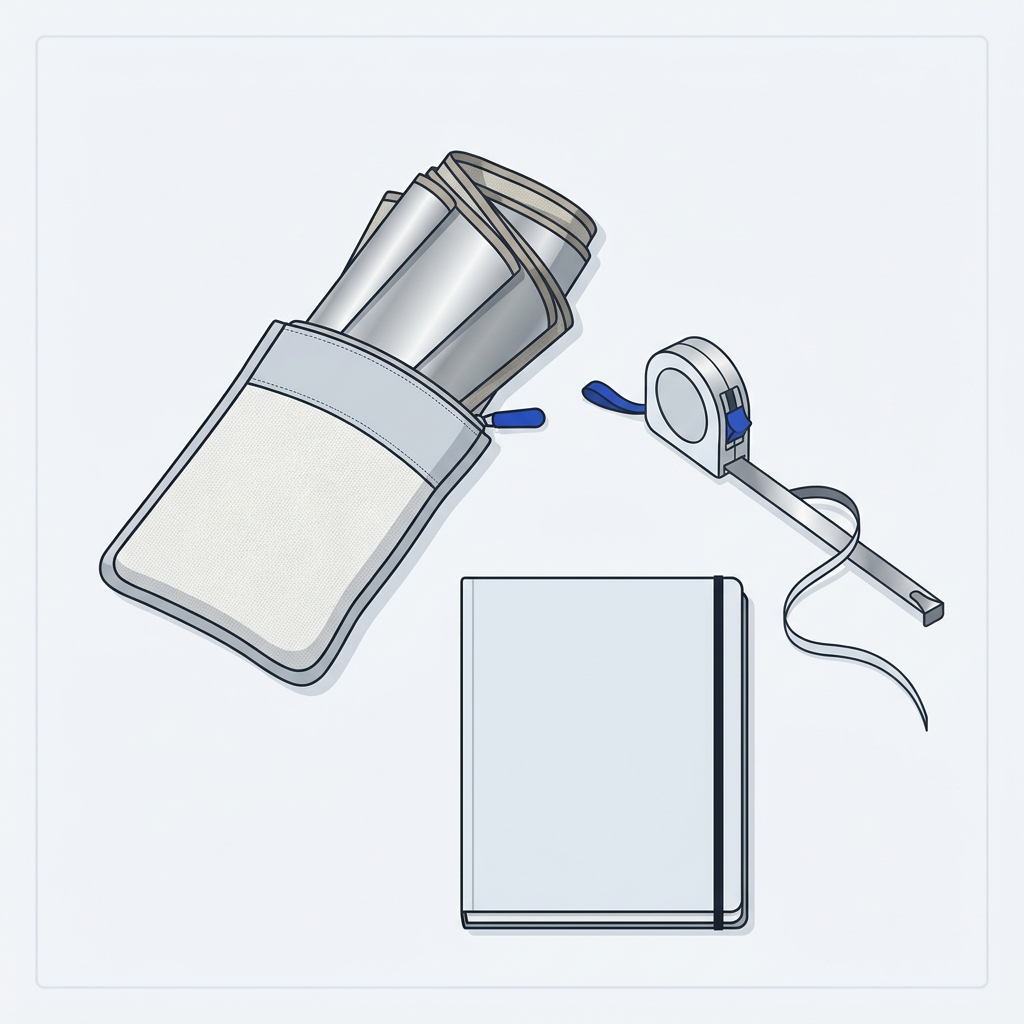
This compact tool spec gives a quick way to record the three primary fit numbers when you shop. Keep the measurements handy and use them to rule out universal sizes that are too small or to confirm a custom pattern matches your recorded points.
When you weigh trade offs, use this simple decision flow: if you want exact coverage for odd shapes or lots of sensors, choose custom; if you want speed and convenience at lower cost, choose universal folding or pop-up. Always confirm the shade provides the documented maximum coverage and check the return policy if fit matters highly.
Common mistakes to avoid when buying and using sunshades
Buying by label instead of measurements leads to returns. Size labels vary, so a small, medium, or large tag does not guarantee fit. Use your measured width and height to compare to the advertised dimensions before adding to cart.
Ignoring mirror, sensor, and camera clearance can cause problems. A shade that presses on a rain sensor or blocks an ADAS camera could trigger service warnings or misreadings when the vehicle is in use. Always locate sensors and record their positions relative to the glass edge before selecting a shade.
Improper storage shortens lifespan. Folding a fabric or foil shade while it is damp can trap moisture and cause mildew or material breakdown. Store shades dry and loose in their pouch, and do not wedge heavy items on top of stored shades for long periods.
Overtucking or forcing fit is another common error. Forcing a too-small shade into place to cover a curve can tear fabric or damage frames. If a universal size needs constant pinching to stay in place, consider a custom pattern or a different mounting style that uses tuck-under edges or magnetic strips.
Blocking visibility while driving or when stowed is a safety hazard. Do not store a large shade in the driver sightlines or on top of the dash. When removing and storing, fold or roll the shade to a compact size and place it where it will not slide into the footwell or obscure controls.
Finally, ignore return and exchange policies at your peril. If fit is uncertain, buy from a seller with a clear return window so you can test fit at home and return or exchange the shade without penalty.
Practical examples and final recommendations
Example 1, small sedan. Measure the interior glass width and height. Many compact sedans have widths that fit a medium universal folding shade, but confirm the mirror base location. If the mirror sits near the center and your measurement leaves less than two inches to spare, choose a custom-fit or a universal shade with a mirror cutout to avoid trimming on site.
For maintenance, wipe reflective layers with a soft cloth and mild soap, and make sure the shade is dry before folding. Store in a dedicated pouch in the trunk or under a seat, not on the parcel shelf where heat can warp edges.
Example 2, SUV. SUVs often have taller and broader windshields. You may find a large pop-up shade provides full width but leaves height gaps near the dash. Measure the tallest usable height and pick a shade that is at least one inch taller than that measurement. If the SUV has roof-mounted sensors or a high top edge, a custom-cut or adjustable tuck-under style will give the best seal.
Routine care for larger shades includes checking seams and edge binding for wear. Replace or reinforce binding that loosens to prevent fabric unraveling and loss of coverage over time.
Example 3, pickup truck. Trucks may have tall, near-vertical windshields and a central mirror mount that sits lower on the glass. Measure the interior height carefully and consider a folding shade with a mirror cutout or a custom-fit sunshade that accounts for the mirror and any cab vents. If your truck has significant windshield curvature, a flexible pop-up style may sit off the glass; a custom pattern will usually solve that issue.
Quick maintenance and storage tips that extend shade life include keeping the shade clean and dry, avoiding sharp folds on metallic layers, and storing the shade flat or rolled as the manufacturer recommends. Replace worn storage pouches and do not tuck damp shades into tight spaces.
Final quick checklist before you buy: confirm your measured width and height, check for mirror and sensor clearance, choose a material suited to your parking conditions, and verify storage needs. If you are unsure, measure again or opt for a seller with a friendly return policy.
In closing, focus on measured coverage and format rather than relying on vague size labels. A little measuring and the checklist above will help you pick a sunshade that fits, performs, and lasts.
Frequently asked questions
How do I know which sunshade size will fit my windshield?
Measure the interior glass width and height and note mirror and sensor positions; choose a shade that is slightly larger for overlap or a custom-fit for unusual shapes.
Are universal sunshades a good choice?
Universal sunshades work well for many cars and are convenient and affordable, but they may leave gaps on irregular windshields where custom-fit offers better coverage.
How should I store my sunshade to extend its life?
Keep the shade clean and dry, fold or roll it as the manufacturer recommends, and store it in a pouch away from heat and heavy objects.
A correct fit reduces heat, protects interiors, and makes daily use less fussy. Use the measuring steps and checklist here to confirm shade dimensions before you buy, and consider custom-fit only when your windshield shape or sensors make universal sizes impractical. Small effort measuring today saves time and frustration later.
References
- https://drivenandkept.com/car-accessories/choose-windshield-sunshade
- https://help.typesauto.com/hc/en-us/articles/360061320871-How-do-I-know-what-size-shade-will-fit-my-vehicle
- https://drivenandkept.com/surface-atlas/glass
- https://drivenandkept.com/surface-atlas
- https://drivenandkept.com/car-accessories
- https://www.weathertech.com/sunshade/
- https://www.caranddriver.com/car-accessories/a38163411/window-shield-for-car/