
The journal
Is it okay to drive with the TPMS light on?
Treat the TPMS light as a safety alert. Stop to check tire pressures and condition; inflate to the vehicle’s specified PSI. If the light stays on or flashes, get the system and tires checked promptly.
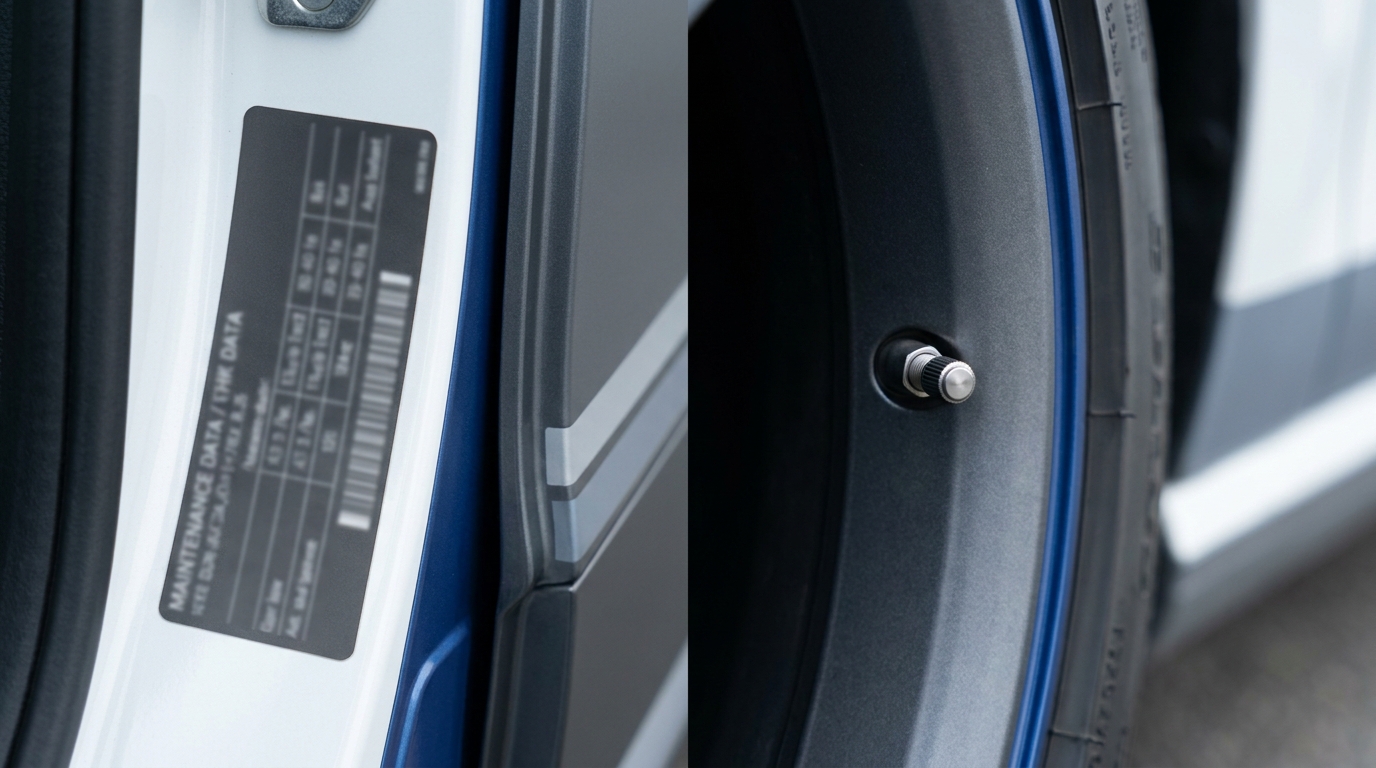
Short answer: do not keep driving as normal with the TPMS light on. Treat it as a safety warning, stop somewhere safe to inspect the tires and check them with a gauge. Correct pressure only if the tire is sound; a flat or damaged tire needs appropriate assistance before further driving. If the light persists or flashes, arrange an inspection soon so the warning system keeps protecting you (Pirelli TPMS guide).
NHTSA’s tire-maintenance guidance explains why the vehicle’s recommended cold pressure and regular gauge checks matter even when no warning is lit. Do not bleed a warm tire down to its cold-pressure target.
What the TPMS light means
TPMS is your tire pressure monitoring system. The dashboard icon looks like a horseshoe-shaped tire with an exclamation point. It warns when pressure is outside the acceptable range. In the U.S., TPMS is intended to warn about significant underinflation. It is not a symmetrical high- and low-pressure alarm, and a tire can need attention before the lamp appears (Pirelli TPMS guide). TPMS is not a substitute for routine manual pressure checks.
Temperature swings can also nudge pressures across the warning threshold, so the light may come on and then go out as tires warm or ambient temperatures change. Check and adjust pressures when tires are cold to the value on the driver-door sticker or in the owner manual (Pirelli TPMS guide).
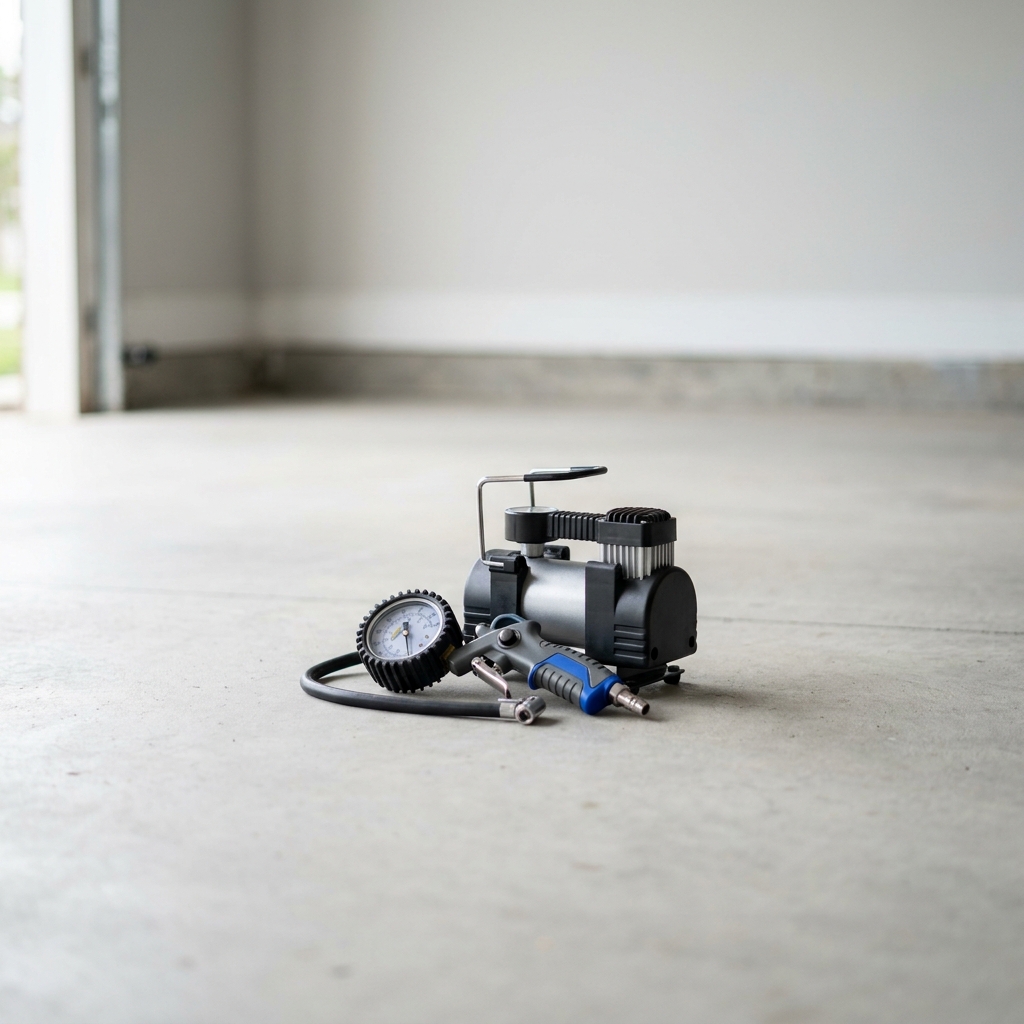
What to do right now if the TPMS light comes on
- Reduce speed and avoid hard cornering or heavy braking.
- Find a safe place to stop and visually check all tires for a flat, damage, or objects in the tread.
- Measure each tire with a reliable gauge. Inflate to the vehicle’s specified PSI on the door-jamb label, not the sidewall number. If your spare has a sensor, check that too if applicable.
After correcting pressures, some systems turn the light off after a short drive or an ignition cycle. If it stays on, follow your vehicle manual’s instructions or see a tire professional (Pirelli TPMS guide).
When not to keep driving
If a tire looks visibly flat, a sidewall is damaged or bulging, you hear hissing, or the vehicle pulls strongly to one side, do not continue driving except to move to a safer spot. Do not simply reinflate a visibly damaged tire or one driven flat and assume it is safe. Arrange roadside assistance or qualified inspection; use a spare only when its fitting can be done safely and in accordance with the vehicle instructions. Driving any distance on a severely underinflated tire risks rapid failure and wheel damage (Pirelli TPMS guide).
If the TPMS light flashes then stays on
A light that flashes at start-up and then stays solid usually indicates a TPMS sensor or system fault. First confirm all tire pressures are correct, then have the system serviced promptly so you will still be warned if a tire loses pressure in the future (Pirelli TPMS guide).
On-the-road TPMS light checklist
Practical notes and sensible limits
- Temperature drop overnight often lowers pressure enough to trigger the light. Set pressures to the vehicle spec when tires are cold to stop the cycle (Pirelli TPMS guide).
- TPMS is a safety backstop. You can still be moderately over- or underinflated without a warning. Check pressures monthly and before long trips (Pirelli TPMS guide).
- A steady TPMS light usually means low pressure, not a broken sensor. Confirm with a gauge before assuming a fault (Pirelli TPMS guide).
Helpful how-tos on Driven & Kept:
- How to check car tire pressure: simple cold-check steps
- How do you use the penny trick to check tire tread?

FAQ
Can I drive to a nearby air pump with the TPMS light on?
Appearance and normal handling do not establish a safe pressure. Stop safely and measure before deciding to continue. A flat, damaged or rapidly deflating tire needs assistance. If a gauge is unavailable or you cannot safely correct the pressure, call for help rather than assuming a short journey is harmless (Pirelli TPMS guide).
Will the TPMS light reset by itself after adding air?
Often yes: many systems turn the light off after pressures are corrected and you drive briefly or cycle the ignition. If it stays on, follow your owner manual’s reset steps or see a tire professional (Pirelli TPMS guide).
Why does my TPMS light come on only in the morning?
Cold air contracts, lowering pressure enough to cross the warning threshold. Set all tires to the vehicle’s specified cold PSI; this usually prevents temperature-driven warnings (Pirelli TPMS guide).