
The journal
Where is the TPMS sensor located on a car?
Direct TPMS sensors sit inside the tire, mounted on the wheel rim and integrated with the valve stem. Indirect TPMS has no in-tire sensor. Here’s how to tell which you have and what you can (and shouldn’t) do.
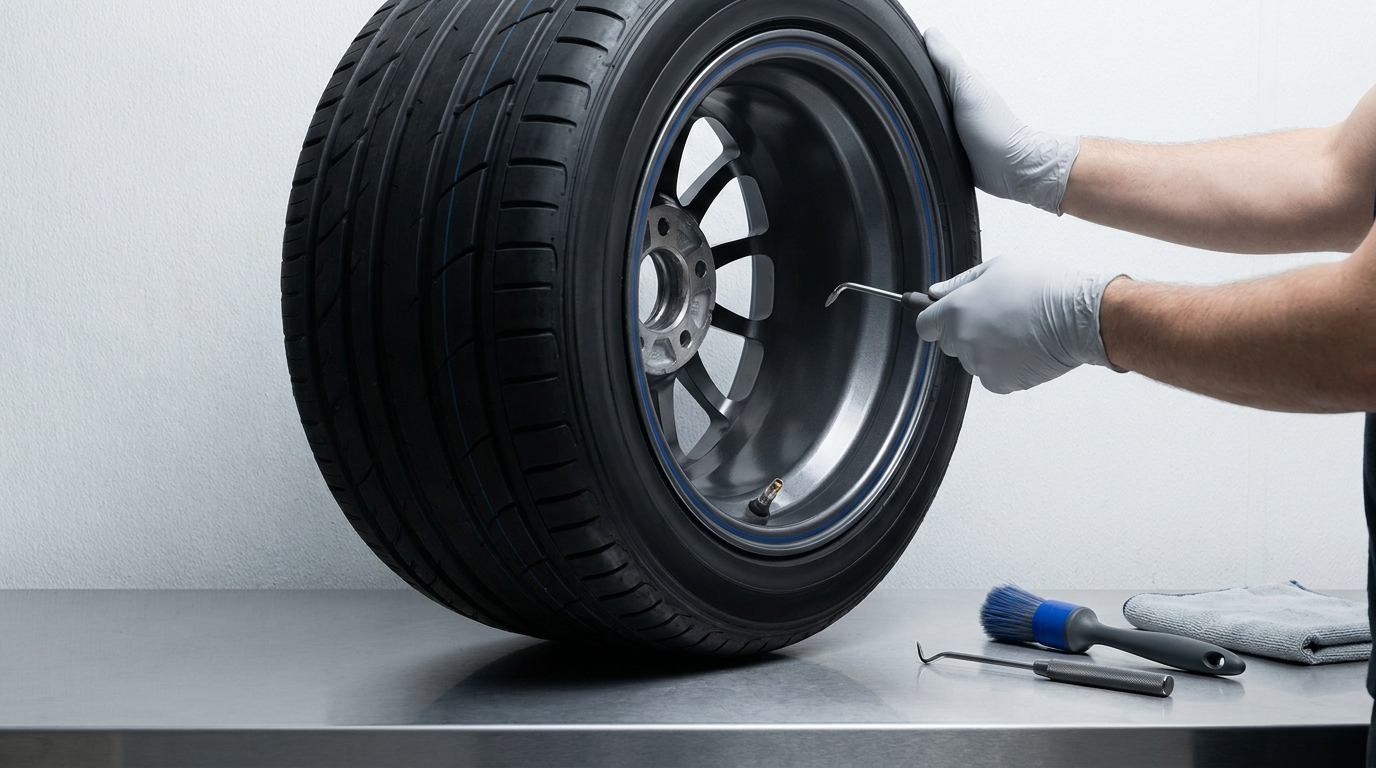
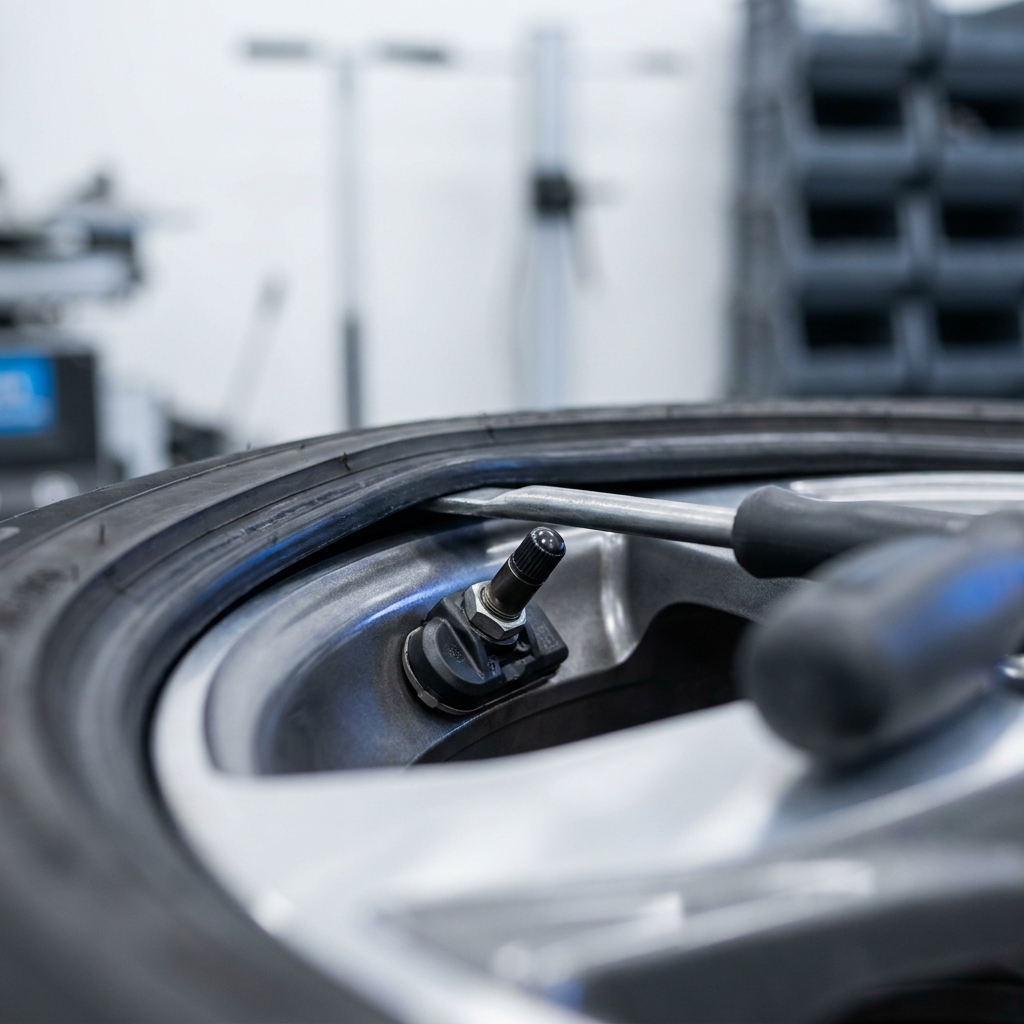
On cars with direct TPMS, the pressure sensor is inside the tire, commonly attached to the valve assembly on the inside of the wheel; some designs use a separate rim-mounted attachment. Vehicles with indirect TPMS do not have a pressure sensor in the tire; instead they use ABS wheel-speed data to infer pressure changes. See the detailed explanations from Continental Tires TPMS overview.
What changes by system type
Direct TPMS: A battery-powered sensor in each wheel measures pressure (and often temperature) and transmits the data wirelessly to the vehicle, where it is processed and shown on the dashboard Continental Tires TPMS overview.
Indirect TPMS: The car compares wheel-speed signals; a low tire rotates slightly faster and is flagged, but no pressure is measured inside the tire Continental Tires TPMS overview.
How to identify what your car uses
Start with your owner’s manual or the vehicle’s settings menu. Many newer vehicles display live pressures for each tire, which indicates the system is reading direct measurements; others only show a general warning and require a manual pressure check when the light comes on Continental Tires TPMS overview. Regardless of display style, the warning is designed for significant underinflation; do not wait for it before checking pressures Continental Tires TPMS overview.
Where the direct TPMS sensor actually sits
Schrader’s sensor glossary distinguishes banded and valve-mounted attachments. That is why a description of one valve-mounted design should not be applied to every direct system.
A common direct-system design attaches the sensor to the inner end of the valve, inside the mounted tire. Other attachment arrangements exist. The visible valve does not by itself prove the sensor type or location; check the vehicle’s parts and service information Continental Tires TPMS overview.
Access and service: what you can safely do
Because the direct sensor is mounted on the rim inside the tire, servicing or replacing it generally requires tire service equipment. Continental advises that replacing a TPMS sensor is best handled professionally for safety and proper operation Continental Tires TPMS overview. If your TPMS light appears, safely stop and check pressures with a gauge, assess any damage before continuing. If the tire is sound, adjust pressures as the manual directs; reset or relearn procedures vary. A visibly flat or damaged tire calls for roadside help or qualified inspection, not driving to clear a warning Continental Tires TPMS overview.
Spare tires and what you might see on the dash
Some vehicles and software can identify tires automatically and even check spare tires, but capabilities vary by model. Your dashboard may show individual tire pressures or simply a low-pressure warning indicator Continental Tires TPMS overview.
Helpful related reading
- How to check car tire pressure: simple cold-check steps
- How do you use the penny trick to check tire tread? A practical guide
Quick steps to confirm your TPMS setup and respond
FAQ
Is the TPMS sensor part of the valve stem?
Often, but not always: valve-mounted sensors are common, and other attachments exist. Confirm the design for the exact vehicle rather than trying to dismantle the valve Continental Tires TPMS overview.
Do all cars have a sensor inside each tire?
No. Indirect TPMS doesn’t use an in-tire sensor; it relies on ABS wheel-speed signals to infer pressure changes Continental Tires TPMS overview.
