
The journal
What do I need to clean alloy wheels? Simple kit and safe steps
A clear list of what you need to clean alloy wheels, plus safe, finish-aware steps and mistakes to avoid.
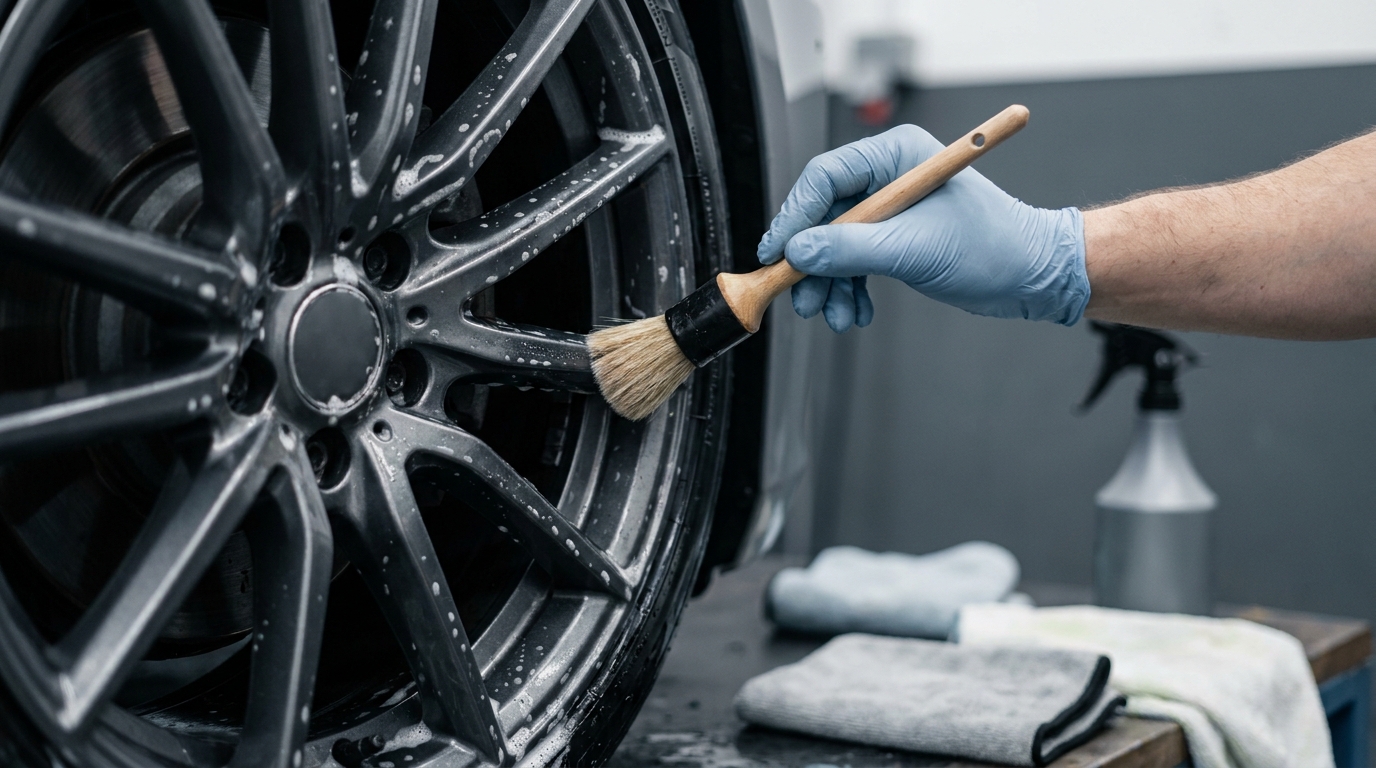
You need a pH-safe wheel cleaner or regular car-wash shampoo, a hose or pressure washer for rinsing, soft wheel brushes or a sponge/mitt, and microfiber towels. Work on cool wheels and rinse first to lift grit before any scrubbing to reduce scratches (Simple Green aluminum wheels guide; Halfords wheel cleaning how-to).
The basic kit for alloy wheels
- Wheel cleaner labeled safe for aluminum/clear-coated wheels, or standard car-wash shampoo for light dirt (Autoweb overview)
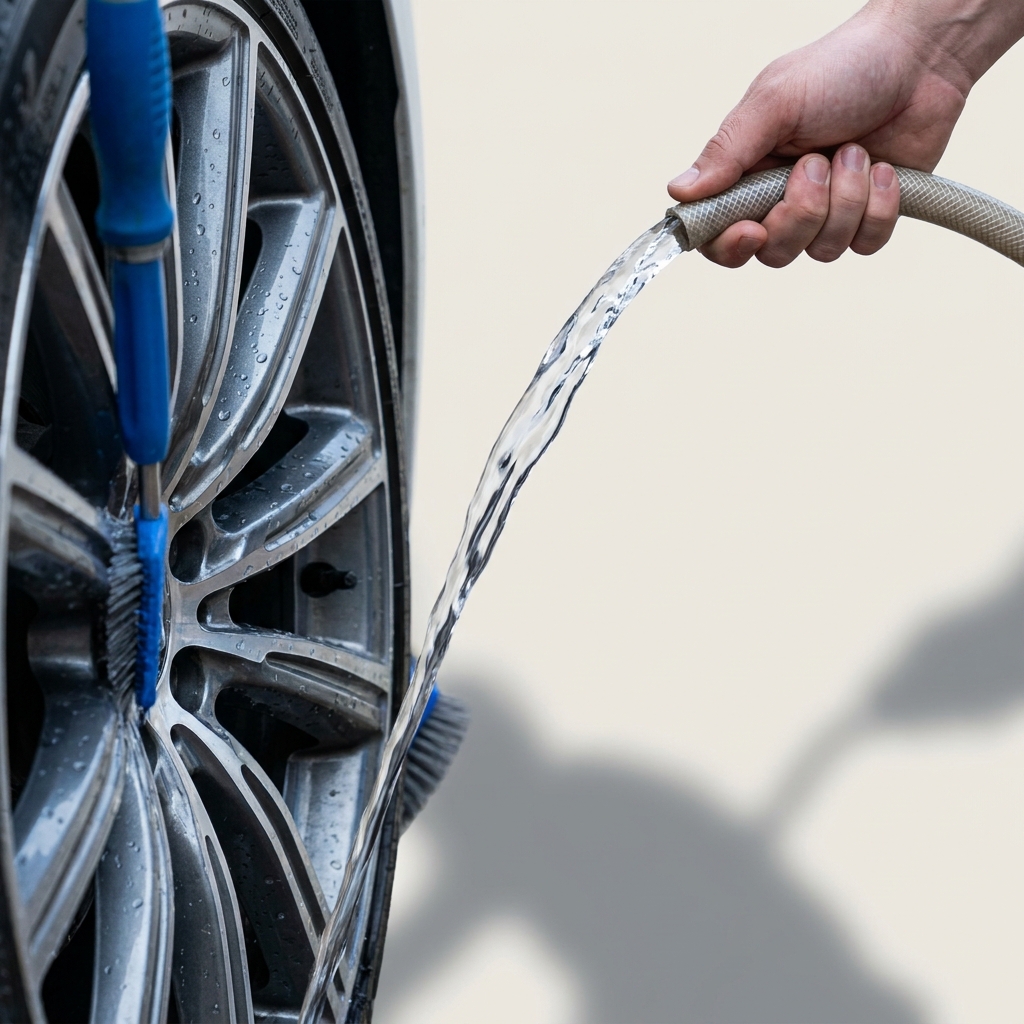
- Garden hose or a pressure washer for pre-rinse and final rinse (Simple Green aluminum wheels guide)
- Soft wheel brush and a small detailing brush for lug areas and spoke gaps (Halfords wheel cleaning how-to)
- Non-abrasive sponge or dedicated wheel mitt (Autoweb overview)
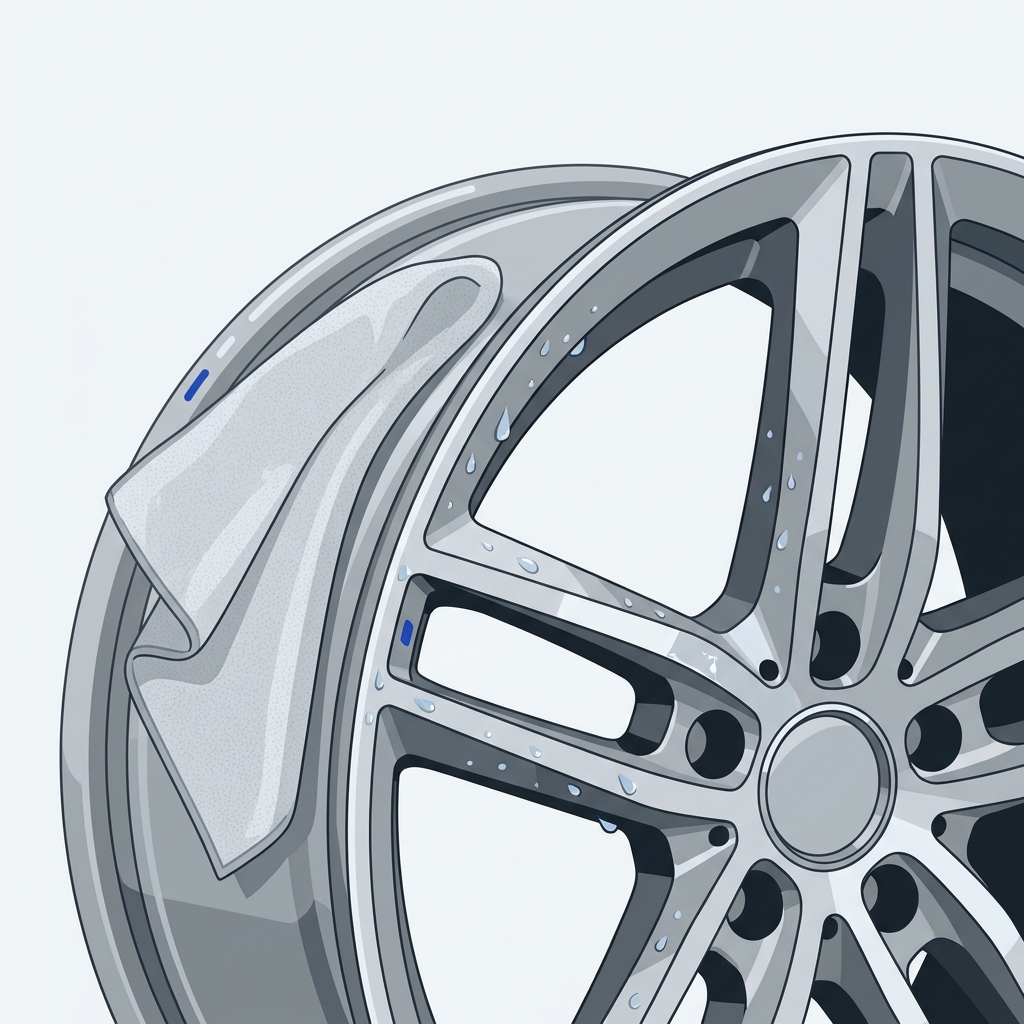
- Clean microfiber towels for drying to reduce water spots (Turtle Wax wheel cleaning guide)
- Optional: wheel polish and wax/sealant to ease future cleaning (Simple Green aluminum wheels guide; Turtle Wax wheel cleaning guide)
Safe, finish-aware cleaning steps
1) Prep and rinse
Park safely and make sure wheels are cool. Hot wheels can cause cleaners to dry too fast and increase spotting risk (Simple Green aluminum wheels guide). Rinse one wheel thoroughly to flush loose brake dust and grit before any contact cleaning (Halfords wheel cleaning how-to).
2) Apply cleaner matched to the finish
Most modern alloy wheels are clear-coated or painted on the face; choose a cleaner labeled safe for aluminum/clear-coated wheels and avoid products with harsh caustics like sodium hydroxide on aluminum. When in doubt for routine cleaning, car-wash shampoo works well (Autoweb overview). Do not let cleaner dry on the surface; keep it wet and follow the label (Simple Green aluminum wheels guide).
3) Agitate gently
Use a soft wheel brush or sponge on the face and barrel, and a small detailing brush around lug nuts and tight spoke areas. Rinse your brushes often so you are not grinding grit into the finish (Halfords wheel cleaning how-to).
4) Rinse and dry
Rinse thoroughly, then dry with clean microfiber to prevent water spots. Keep wheel towels separate from bodywork towels to avoid transferring abrasive brake dust to paint (Turtle Wax wheel cleaning guide; Autoweb overview).
Choose the right cleaner for your wheel type
Identify your finish if possible (clear-coated or painted faces are common on aluminum alloys). Use non-acidic or pH-balanced wheel cleaners labeled safe for aluminum/clear coat, and steer clear of products containing sodium hydroxide on aluminum surfaces. For light maintenance, regular car-wash shampoo is an easy, safe choice (Autoweb overview).
Brushes, tools and technique that protect the finish
- Use soft-bristled wheel brushes and non-abrasive mitts; avoid metal pads or stiff bristles that can mark the surface (Halfords wheel cleaning how-to).
- Rinse brushes frequently during use to shed captured grit (Halfords wheel cleaning how-to).
- Keep separate tools and towels for wheels versus paint to prevent transferring abrasive brake dust to body panels (Autoweb overview).
Quick checklist: gear up to clean alloy wheels
Common mistakes to avoid
- Working on hot wheels or in direct sun, which can make cleaners dry quickly and spot. Clean only when wheels are cool and keep surfaces wet while the cleaner works (Simple Green aluminum wheels guide).
- Using the wrong chemistry. Harsh caustics like sodium hydroxide can damage aluminum; choose products labeled safe for your wheel type (Autoweb overview).
- Letting cleaner dry on the wheel or tackling all four wheels at once. Work one wheel at a time and rinse before drying occurs (Chemical Guys wheel cleaning tips).
- Reusing dirty water and tools on paintwork. Discard used wheel wash water and keep tools dedicated to wheels (Autoweb overview).
Optional protection after cleaning
After a deep clean and dry, applying a wheel-safe wax or sealant can help resist grime and make future cleans faster. Follow the product instructions for application and cure times (Turtle Wax wheel cleaning guide; Simple Green aluminum wheels guide).
Related help from Driven & Kept
- Can you put microfiber towels in a washing machine? A practical guide
- The best way to store microfiber towels

Quick FAQ
Do I need a pressure washer?
No. A garden hose is sufficient for rinsing; a pressure washer is optional and can speed up rinsing (Simple Green aluminum wheels guide).
Can I just use car-wash shampoo?
Yes for routine maintenance; for heavy brake dust, use a dedicated wheel cleaner safe for aluminum/clear coat (Autoweb overview).