
The journal
A good cleaner for a plastic car dashboard (and how to use it)
Start with diluted mild soap and a microfiber cloth for light dirt; step up to a plastic-safe interior cleaner for sticky residue. Clear steps, what to avoid, and a quick checklist.
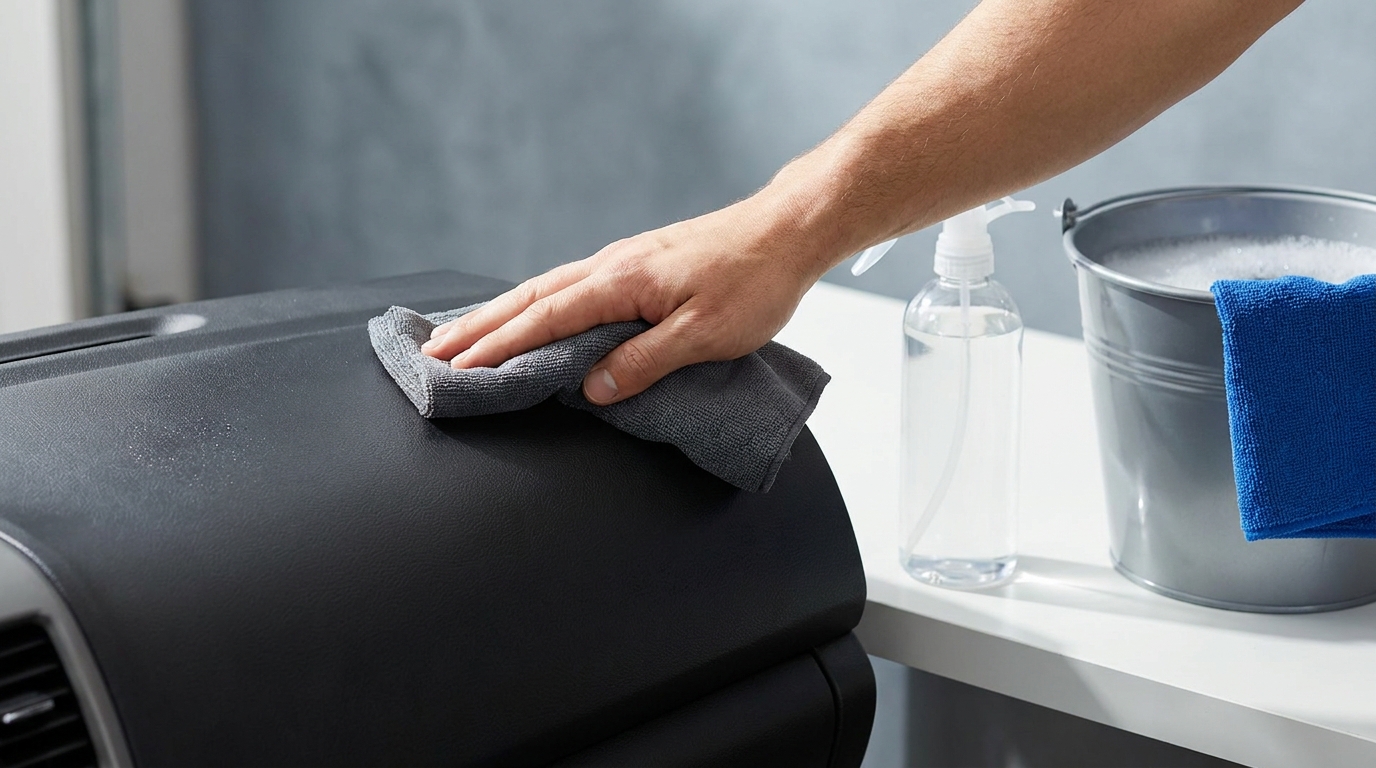
Use diluted mild liquid soap and a well-wrung microfiber cloth for routine dust on a plastic dashboard; for sticky or ingrained grime, switch to an interior cleaner labeled safe for plastic/vinyl and apply it to the cloth, not directly to the dash (Prime EVA, Chemical Guys). Most interior cleaners are designed for simple spray-and-wipe use with a cloth (Car and Driver).
When soap-and-water is enough vs. when to use an interior cleaner
Choose diluted mild soap for everyday dust and smudges because it’s low risk for plastic finishes (Prime EVA). Step up to a dashboard/interior cleaner that explicitly lists plastic or vinyl when fingerprints are oily, spills are tacky, or textured areas hold grime. These products are designed to be used with a microfiber towel in a spray-and-wipe routine (Car and Driver).
Whichever you use, apply the liquid to the cloth first to avoid oversaturating seams, vents, or electronics (Chemical Guys).
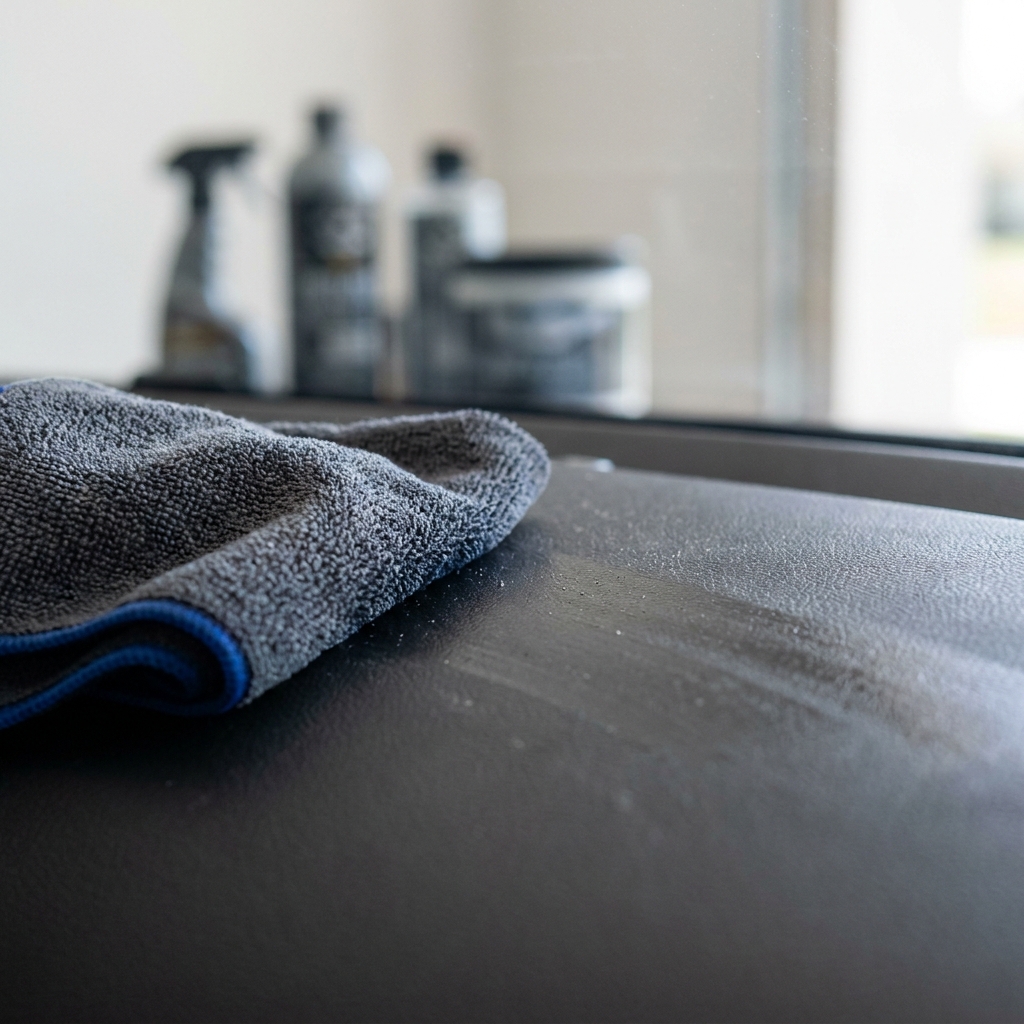
Step-by-step: quick, safe clean for light soil
Mix and prep
- Dust first with a soft brush or vacuum to remove grit that could scratch.
- Mix a small drop of mild liquid soap in lukewarm water. Dampen a clean microfiber and wring it well (Prime EVA).
Clean in small sections
- Wipe gently in overlapping passes. Immediately follow with a dry microfiber to prevent streaks.
- Keep moisture away from screens, vents, and switches; don’t spray liquids directly (Chemical Guys).
- If you’re unsure about a finish, test your method on a discreet spot first.
For sticky or stubborn residue
- Switch to an interior cleaner labeled safe for plastic/vinyl.
- Spritz the cleaner onto your microfiber, not the dash, and work a small area at a time.
- For textured crevices and vents, agitate gently with a soft detailing brush, then wipe dry (Chemical Guys, Car and Driver).
What to avoid (to protect the finish)
- Avoid household cleaners with ammonia or alcohol; they can strip protective layers and lead to fading or brittleness (Chemical Guys).
- Skip abrasive pads or harsh solvents that can dull plastic surfaces (Prime EVA).
- If you prefer a matte, non-greasy look, avoid heavy, glossy dressings that can attract dust (Chemical Guys).
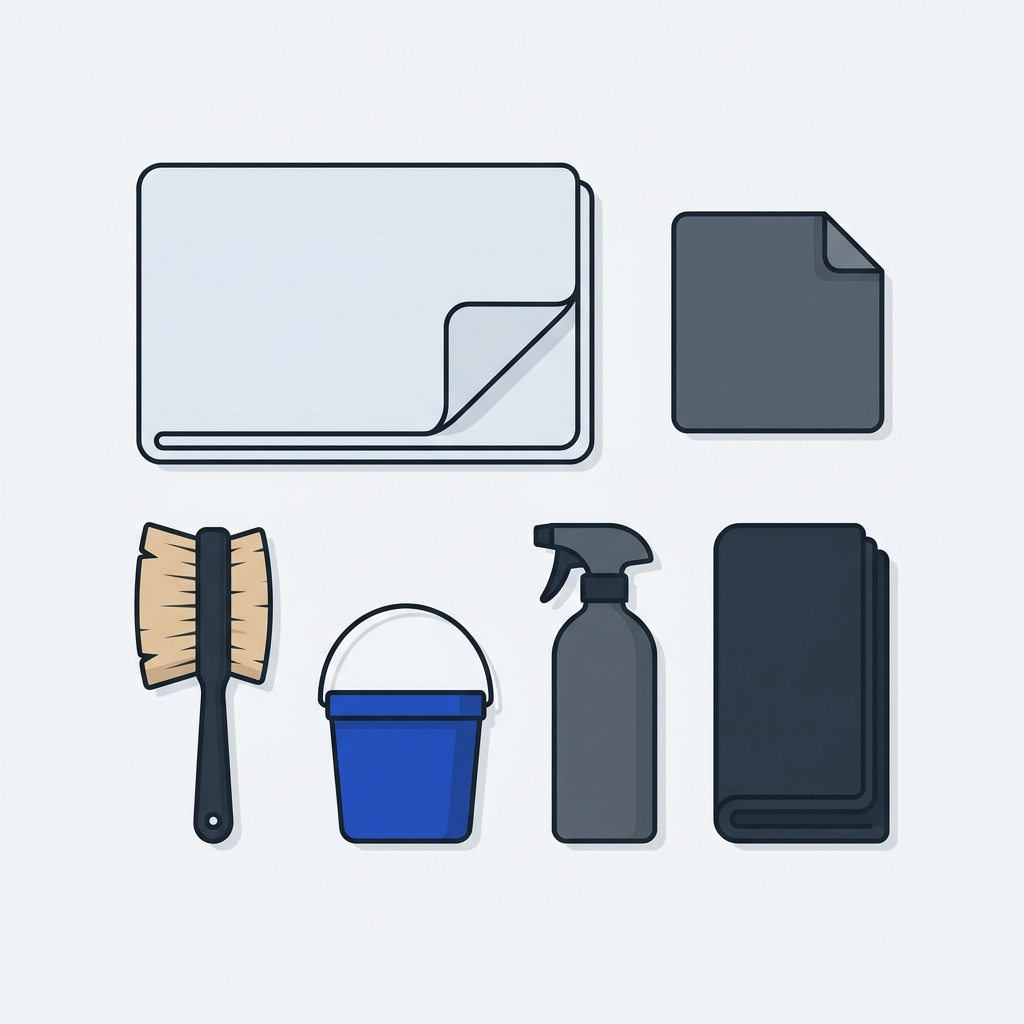
Make it last: simple maintenance
- Dust weekly with a dry microfiber; do a quick damp wipe as needed.
- Deep-clean monthly or after noticeable spills. Apply cleaner to the towel, not the dash (Chemical Guys).
- Clean glass last so any overspray or residue doesn’t re-smudge the dash. For streak-free technique, see how to clean the inside of your windshield.
- Keep your towels effective by washing them properly: how to wash microfiber towels.
Dashboard cleaning quick-start checklist
FAQ
Can I use dish soap on a plastic dashboard?
Yes. A small amount diluted in water and used with a well-wrung microfiber is a low-risk way to remove light dirt (Prime EVA).
Are household cleaners safe on dashboards?
Avoid household cleaners that contain ammonia or alcohol; they can strip protective layers and accelerate fading or brittleness (Chemical Guys).
Keep it simple: mild soap-and-water handles most dust, and a plastic-safe interior cleaner finishes tougher jobs while protecting the look of your dashboard.
