
The journal
How do you get rid of haze on the inside of a windshield? Practical, streak-free steps
how to clean car windshield inside streak free with a practical routine, right tools, and safe products for clear visibility.
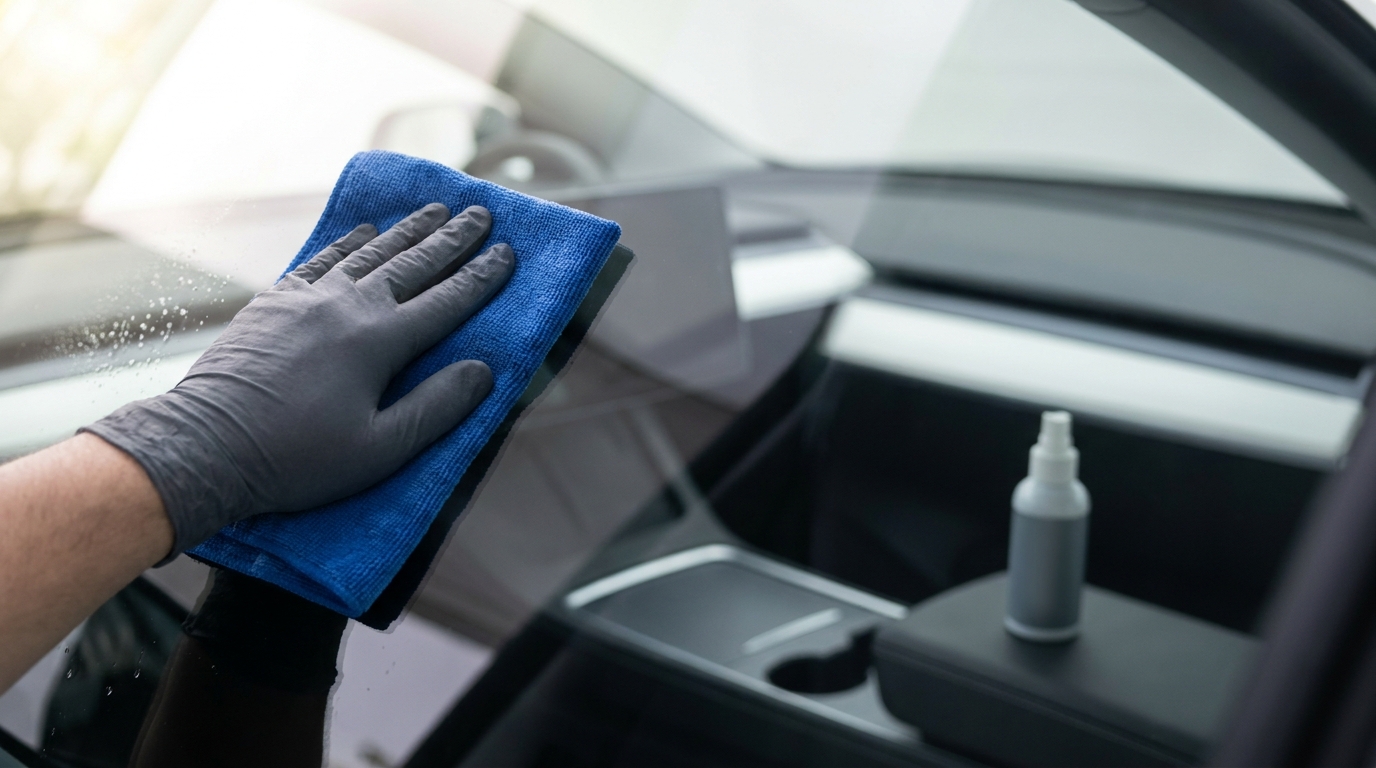
Why the inside of a windshield gets hazy
Interior windshield haze is a thin film or fogginess on the glass inside your car that softens contrast and can scatter light when you drive. If you want to know how to clean car windshield inside streak free, start by understanding what that film is and where it comes from.
The film itself is usually not a single substance. Common contributors include off-gassing from new or aging plastics and trim, residues from cigarette smoke, cooking fumes that enter the cabin, and greasy fingerprints from hands and steering-wheel contact. These deposits are often oily or sticky and collect microscopic dust that makes the glass look dull.
How do I remove interior haze from my windshield without leaving streaks?
Use a three-cloth routine: dry-dust, wet clean with cleaner applied to the cloth, and finish with a dry buff from the driver position. Use clean, lint-free microfibers and avoid cleaning in direct sun.
Changes in cabin humidity and temperature make the film more visible. For example, a cold morning with humid air inside the car can cause light to scatter differently and reveal a thin layer you might not notice on a dry day. Small amounts of residue that are harmless in daylight can become a visibility problem at night under oncoming headlights.
Why this matters for safety is simple: interior haze reduces the clarity of road signs and the sharpness of bright contrasts. Even a thin film can create faint streaks or halos that interfere with a driver sightline, especially at dawn or dusk. Cleaning that film thoughtfully is the fastest way to restore clear sight and reduce distraction.

A simple streak-free cleaning routine for inside windshields
Set up the car before you begin. Park in shade with the engine off and windows cracked for ventilation if you can. Avoid cleaning in direct sun or on a hot windshield because cleaners can evaporate too quickly and leave marks. If the cabin smells strongly of smoke or chemicals, open doors or vents and allow a few minutes of air exchange for ventilation.
how to clean car windshield inside streak free
Gather three clean, lint-free microfiber cloths, a mild cleaning solution, and a small spray bottle. One cloth is for initial wiping to remove loose dust, the second is for wet cleaning, and the third is for drying and final buffing. Fold cloths to expose fresh faces as you work so you do not redistribute the same grime.
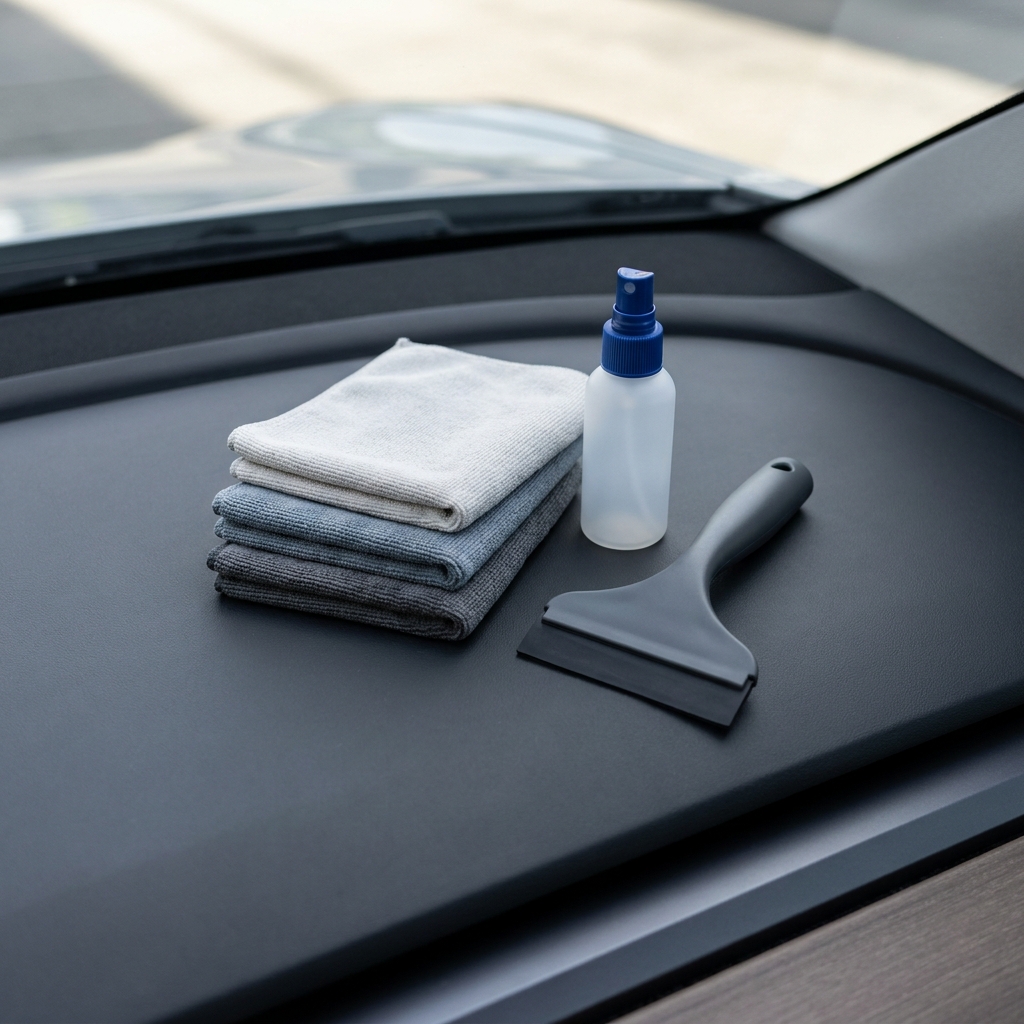
1. Remove loose dirt and dust with a dry microfiber. Start by wiping the glass gently from top to bottom to collect loose particles. This prevents grit from being dragged across the glass during wet cleaning.
2. Apply cleaner to the cloth, not the glass. Lightly dampen the second microfiber with your chosen cleaning solution. Spraying the cloth instead of the windshield helps control how much liquid touches the glass and reduces chances of runoff onto trim or the dash.
3. Clean in overlapping passes. Wipe from left to right in even strokes, applying gentle pressure. Use a second pass with the cloth turned to a fresh face if you see obvious residue. For stubborn spots, let the damp cloth sit on the area for a few seconds to soften deposits, then wipe. For a short video demonstration, see a quick walkthrough.
4. Dry and buff with the third cloth. Work in circular motions to remove any remaining streaks, then finish with light vertical passes in the driver sightline area so you can verify clarity from the driver position.
5. Check from the driver position. Sit in the driver seat and look at the windshield from normal eye height against a neutral background. If you still see haze, repeat the wet-clean step only on the affected area and finish with a fresh dry cloth.
For repeated jobs, keep a small bag with reserved clean microfibers and the spray bottle in the trunk so you have the same materials each time and avoid random rags that leave lint. This simple sequence helps prevent adding new residues and gives consistent, streak-free glass cleaning results.
Best tools and cloths to avoid streaks
Why cloth choice matters: some fabrics trap oil and redeposit it, while poor-quality towels shed lint that looks like tiny streaks. Microfiber is the common recommendation because its fine fibers lift and hold contaminants without scratching.
a quick set of items to confirm before you clean the inside glass
How to use multiple cloths: assign one cloth strictly for the dry pass, one only for wet cleaning, and one only for final buffing. If a cloth becomes visibly dirty, fold it to a fresh face or switch to a clean one. Avoid paper towels and old cotton rags that can leave lint or streaks.
Accessories that speed the job include a small rubber squeegee for larger windshields and a soft-bristled brush for corners near the headliner where dust piles up. A long-handled squeegee helps reach the top interior edge on taller vehicles without touching the glass with your bare hand.
Dos and don'ts: do use clean, lint-free microfibers and swap faces frequently; do store glass cloths separately from greasy towels; don't use abrasive pads or scouring agents; don't apply strong solvents near vinyl or leather trim that might be affected by overspray.
Cleaning products and when to use them
There are three practical types of cleaners most DIYers use on interior glass: commercial automotive glass cleaners formulated for cars, simple water-based mixes with a small amount of mild soap, and alcohol or ammonia-free degreasing mixtures for very oily film. Choose a product that says it is safe for automotive glass and avoids harsh solvents that could affect dash materials.
What to avoid: products with strong ammonia, petrol-derived solvents, or oily additives that can leave their own residue on the glass or damage surrounding trim. Always test a cleaner in a small, hidden area of the dash or a corner of the glass to confirm it does not affect nearby materials.
How to test before full use: dampen a microfiber with the cleaner and wipe a small, unobtrusive patch. Wait a few minutes and check for any change in the texture or appearance of nearby trim. If trim looks affected or tacky, stop and choose a milder solution.

Application tips to minimize residue: when possible, spray cleaner on the cloth rather than directly on the glass. Use light amounts and keep runoff away from vents and electronics. For heavy oily films, a two-step approach often works best: a dedicated degreasing pass followed by a neutral glass cleaner to remove any remaining solvent traces.
Keep safety in mind. Good ventilation helps with fumes from stronger cleaners. Wear gloves if you have sensitive skin and avoid breathing cleaner sprays directly. If you are unsure whether a product is safe near a specific trim finish, consult the vehicle manufacturer's care guidance.
Common mistakes that leave streaks and how to avoid them
Cleaning in direct sun or on a hot windshield is a frequent error. Heat makes cleaners evaporate too fast, leaving behind streaky residue. Pick a shady spot or a cool part of the day so the cleaner stays workable long enough to be buffed away.
Reusing a dirty or damp cloth spreads the very film you are trying to remove. Fold cloths to expose clean faces and keep at least three cloths on hand so you can switch between dry wiping, wet cleaning, and final buffing without contaminating them.
Over-wetting the glass or spraying cleaner directly onto the dash can cause runoff that leaves residue on trim and vents. Apply cleaner sparingly and wipe with controlled strokes. For motion, use gentle overlapping passes rather than aggressive scrubbing, which can push oily residues around instead of lifting them.
A wrong cleaning sequence often makes the problem worse. The best order is dry dusting, targeted wet cleaning, and a final dry buff. Skipping the dry pass means grit may scratch or smear the wet cleaner; finishing without a fresh dry cloth leaves fine streaks that are hard to remove.
Quick fixes if you notice streaks: re-buff the area with a clean, dry microfiber and check from the driver sightline. If streaks persist, repeat the wet clean with a slightly different cloth face and finish with a dry buffing pass.
Routine care and when to get professional help
Maintain the inside of your windshield on a simple schedule: a quick dry dust and visual check every two weeks, and a full wet clean every two to three months depending on cabin use. Vehicles that carry smokers or frequently transport greasy items will need more frequent attention.
Signs that haze is deeper than surface film include residue that returns quickly after cleaning, or areas that stay slightly tacky or cloudy despite repeated cleaning. Persistent film may indicate contamination inside the windshield for example trapped between layers of laminated glass or heavy soot deposits that simple cleaners cannot remove.
When DIY methods fail, a professional detailer or glass specialist can perform deep cleaning or glazing work. If you choose a pro, ask whether they will use a dedicated glass decontamination step, what products they plan to use near interior trim, and whether they offer a post-service inspection from the driver position so you can confirm improved clarity.
For day-to-day care, keep a small kit with a glass-specific microfiber and a mild cleaner in the car. That way you can manage light haze before it builds up into a tougher film, which reduces the chance you will need stronger solvents or professional help.
Frequently asked questions
How often should I clean the inside of my windshield?
Do a quick dust and visual check every two weeks and a full wet clean every two to three months, more often if the cabin gets greasy or smoky.
Can I use household glass cleaner on interior automotive glass?
Use caution; choose water-based or automotive-safe cleaners and avoid strong ammonia or solvent formulas that may affect trim or leave residues.
What if haze keeps coming back after cleaning?
If haze returns quickly or stays tacky, consider professional decontamination or a detailer, because deeper contamination may be present.
Keeping the inside of your windshield clear is a low-effort habit that pays off in safer driving and less glare. With the right cloths, a gentle cleaner, and the routine in this guide, you can remove haze without leaving new streaks. If haze proves stubborn after careful DIY cleaning, a professional detailer or glass specialist can help, but most drivers find a regular three-cloth process and mindful product choice solves the problem quickly.
References
- https://drivenandkept.com/interior-care
- https://www.jalopnik.com/here-s-how-to-clean-that-nasty-haze-on-your-car-windows-1851733551/
- https://www.youtube.com/watch?v=iplDanud1wc
- https://drivenandkept.com/detailing-tools/choose-microfiber-towels
- https://community.cartalk.com/t/how-to-get-haze-off-a-windshield/2362
- https://drivenandkept.com/surface-atlas/glass
- https://drivenandkept.com/surface-atlas
Product options for this topic
As an Amazon Associate I earn from qualifying purchases. These are researched options, not hands-on test results. Check the exact size or model, current price and availability on Amazon.
| Product option | Fit and limits to check | Retailer |
|---|---|---|
| Chemical Guys microfiber towels, blue 12-pack | A pack of 16-inch-square towels for separating cleaning tasks. Check surface suitability and wash without fabric softener. | View on Amazon |