
The journal
How to tell if your car lights are on before you drive
A practical pre-drive check to confirm your headlights, taillights, brake lights and signals are actually on, with clear steps and safe boundaries.
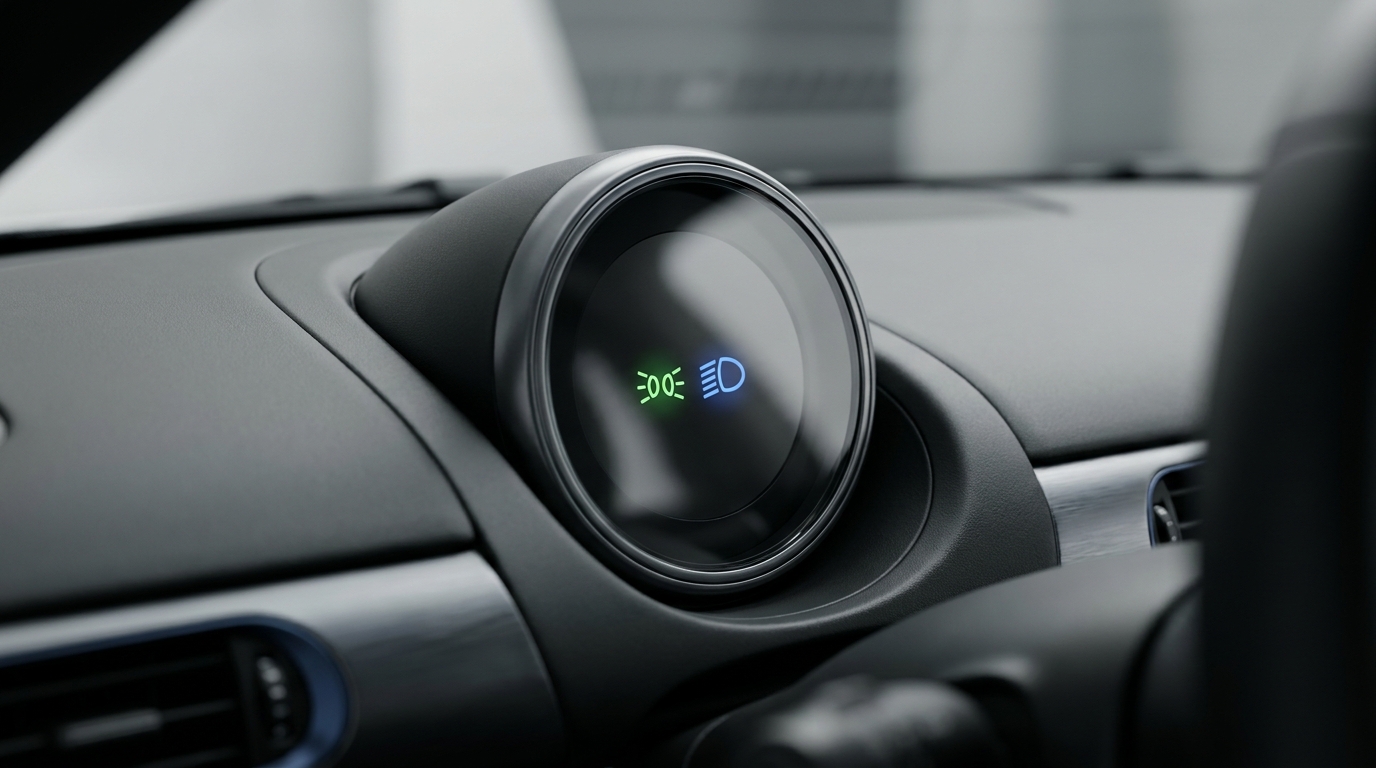
Check the light switch position and look for the headlight and high-beam indicators on your instrument cluster, then step outside (safely while parked) to confirm the front headlights and rear lights are actually illuminated. Dashboard symbols vary by make, so use them as a cue, not final proof, and consult your owner’s manual if a symbol is unclear (The AA dashboard warning lights guide).
Quick checks before you move
1) Glance at the controls and cluster
Identify the headlight control (OFF, AUTO, sidelights/parking, low beam, and high beam settings) and note any lighting symbols that appear on the cluster. These indicators are useful clues, but designs differ by manufacturer and they do not replace checking actual lamp output, so verify unfamiliar symbols in your manual (The AA dashboard warning lights guide and DriversEd: Lights).
2) Verify outside, not just by a lit dashboard
While parked safely, turn on your lights and do a brief walk-around: confirm both headlights are on, then check the rear for taillight glow. Do not rely on daytime running lights or a bright dashboard alone. If you’re alone, use a wall, window, or reflective surface to see the lamps without leaving the driver’s seat (Olson Chevrolet dashboard lights explained).
Check the actual lights before low-light driving
Understand your lighting positions
Low beam vs high beam
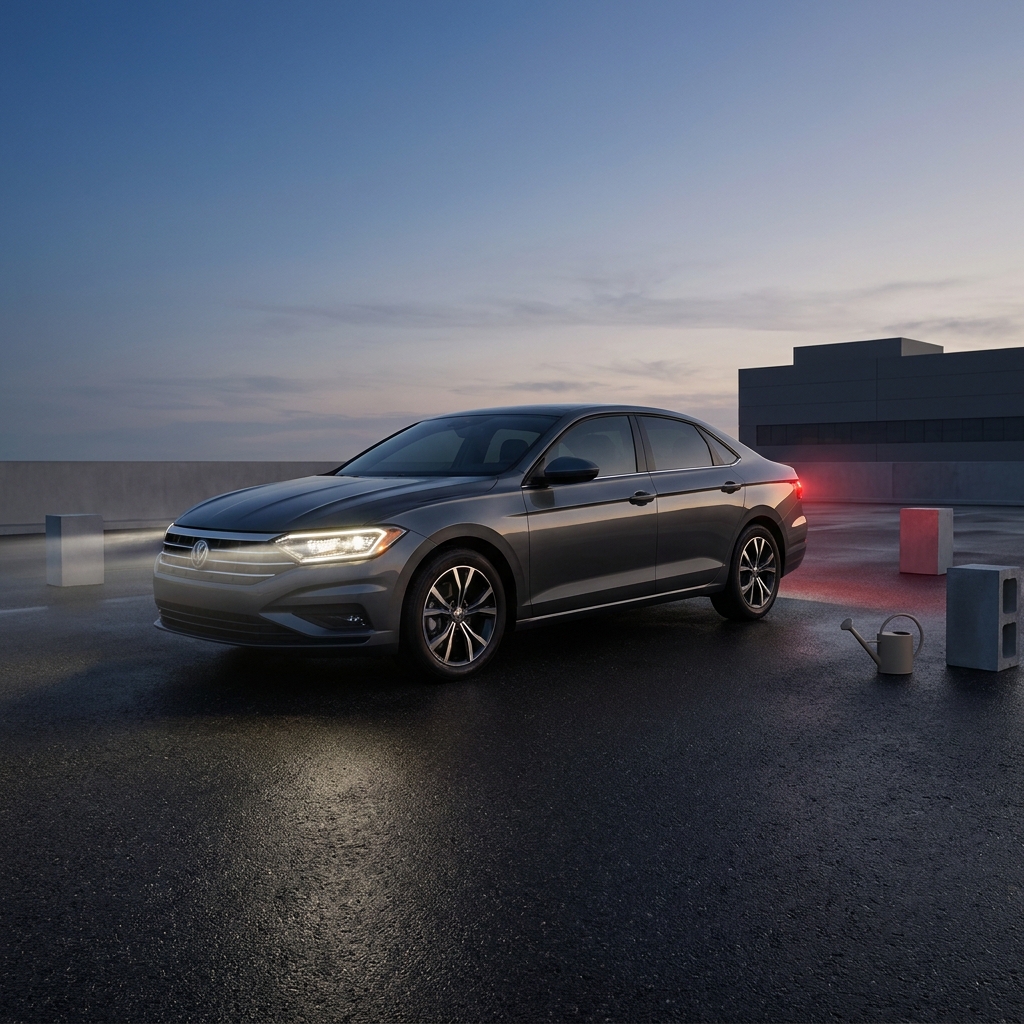
Use low beams whenever it’s dark or visibility is reduced by weather. High beams provide extra distance but should be switched off when another vehicle is ahead or approaching, and they are not suitable for fog (DriversEd: Lights).
Parking/sidelights and DRLs
Parking/sidelights mark your vehicle but are not a substitute for low beams when driving. Daytime running lights are for daytime conspicuity; they may not provide adequate forward illumination or rear lighting in low light. When in doubt, turn on low beams and confirm taillights are lit outside the vehicle (DriversEd: Lights).
AUTO headlight setting
Many vehicles have an AUTO position that switches lights based on ambient light. Because symbol designs and behaviors vary, check your manual for how AUTO behaves in your model and verify lamp output with a quick exterior glance when conditions change (The AA dashboard warning lights guide).
Example: a bright dashboard at dusk
Suppose the instrument panel is illuminated and you can see white light at the front, but the car is still using daytime running lights. That does not establish that the correct night lighting is active. While securely parked, select the manual’s dipped-headlight setting and check both headlights and the rear lamps directly, or with a helper.
A wall or window reflection can be a clue, but one pool of light does not prove that each lamp is operating. Avoid dazzling other people during any check. If you cannot safely establish that the required lights work, arrange help before driving in conditions that require them.
Common mistakes and safe stop boundaries
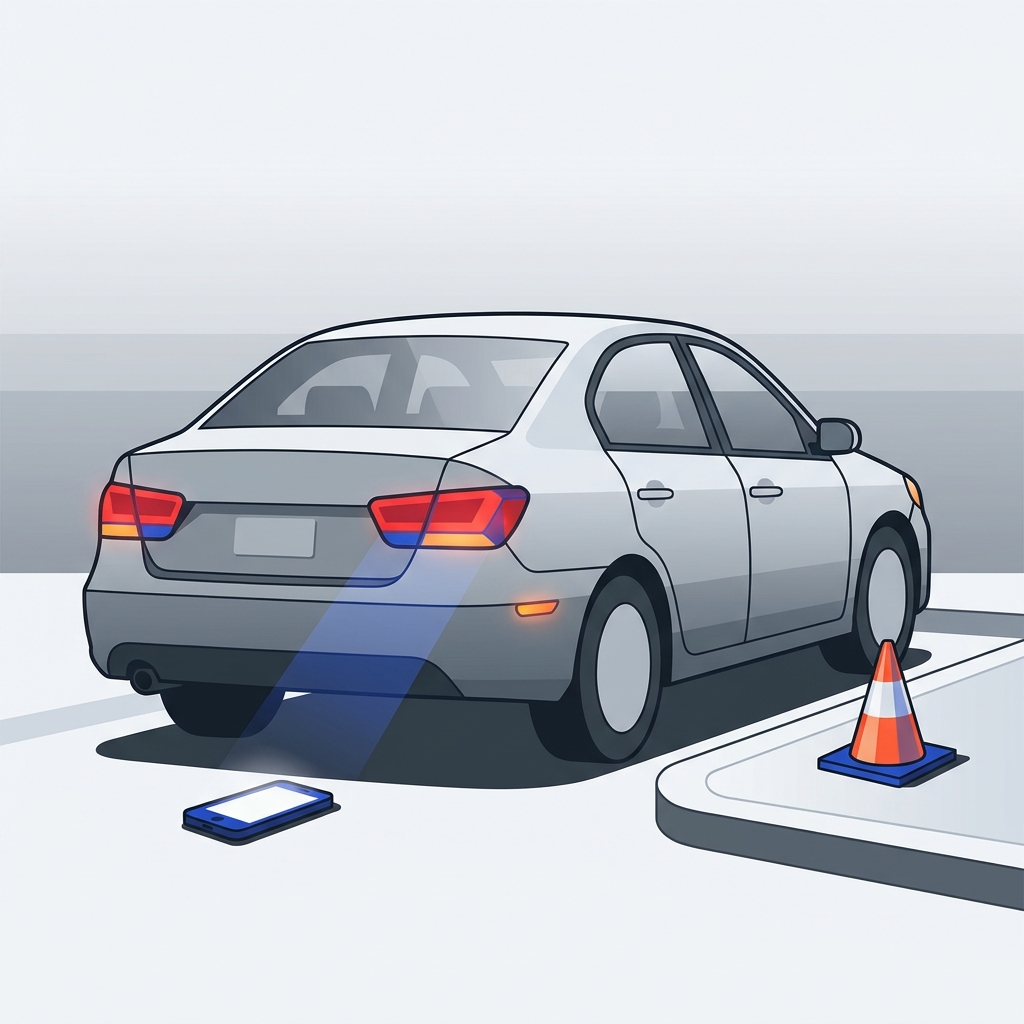
- Don’t assume DRLs or a bright instrument panel means your rear lights are on. Always verify outside when light levels drop (DriversEd: Lights).
- If you cannot confirm headlights and taillights in dusk, rain, fog, or tunnels, do not drive until you can turn on and verify low beams. Follow the road-lighting rules for the jurisdiction and conditions (DriversEd: Lights).
- If any required exterior light does not work, avoid night or low-visibility driving. Seek assistance from roadside help or a qualified technician; warning icons and meanings differ, and the manual or a professional can interpret faults (The AA dashboard warning lights guide).
Keep overall visibility in check
Lights help, but you also need a clear windshield. If your wipers smear even when new, see New wipers, still streaks: causes and fixes, and use our guide to demist car windows safely before setting off.

FAQs
Are daytime running lights enough at dusk or in rain?
No. Use low beams whenever it’s dark or visibility is reduced by weather, and confirm taillights are lit. DRLs are for daytime conspicuity and are not a substitute for low beams (DriversEd: Lights).
How can I tell if my rear lights are on from the driver’s seat?
A reflection can provide a clue, but it cannot confirm each rear lamp individually. While securely parked, check directly or use a helper, and distinguish steady taillights from the separate brake-light function (Olson Chevrolet dashboard lights explained).
My cluster shows a symbol I don’t recognize. What should I do?
Icon designs vary. Check your owner’s manual and treat red or persistent warnings seriously. If in doubt, stop in a safe place and seek help (The AA dashboard warning lights guide).