
The journal
How to tell if your windshield washer fluid is low
Look for a dash warning or check the translucent reservoir under the hood. If spray is weak or nothing comes out, top it up safely.
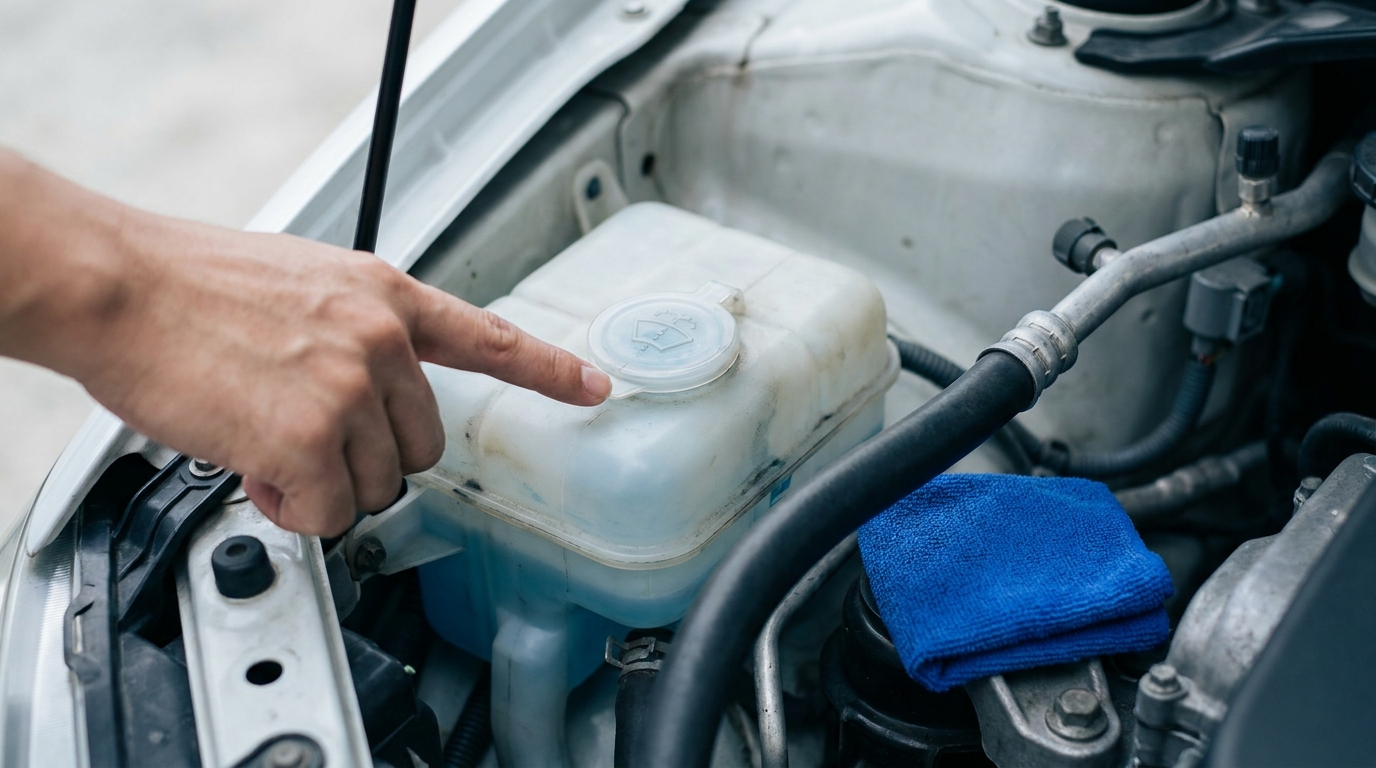
Quick answer: Many cars show a low washer fluid warning on the dash. If yours doesn’t, open the hood and look at the translucent washer reservoir; if the level is low or below halfway, top it up. Weak or no spray when you press the washer button is also a sign it’s time to refill (https://www.toyota.com/car-tips/change-windshield-washer-fluid/). On many models the reservoir is translucent so you can check it at a glance (https://www.kia.com/content/dam/kia2/in/en/content/new-seltos-manual/topics/t00654.html).
Quick ways to confirm
1) Check your dash
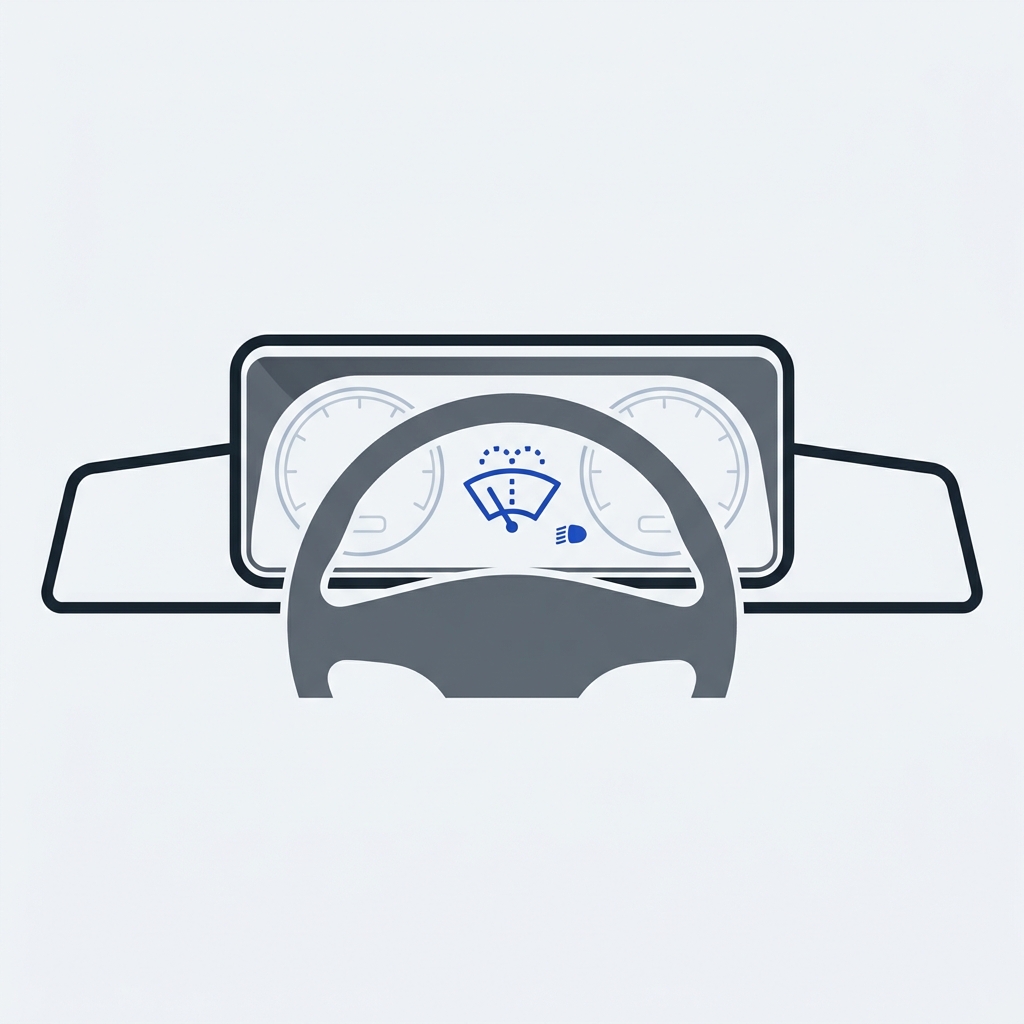
Some vehicles trigger a low washer fluid warning light or message when the level drops (https://www.toyota.com/car-tips/change-windshield-washer-fluid/). If a warning appears, refill as soon as you can. If a low-fluid warning stays on after a refill, have the system inspected; owners sometimes report level-sensor issues that need cleaning or replacement (https://www.ramforum.com/threads/washer-fluid-level-low-warning.196305/).
2) Do a visual check under the hood
With the engine off and the hood open, find the windshield washer reservoir. It’s typically a semi-opaque bottle with a cap marked by a windshield/water-spray symbol, often located at the back or sides of the engine bay. Many have markings that show the remaining level (https://www.toyota.com/car-tips/change-windshield-washer-fluid/). Kia notes the reservoir is translucent so you can confirm the level with a quick glance (https://www.kia.com/content/dam/kia2/in/en/content/new-seltos-manual/topics/t00654.html).
Step-by-step: top up safely
What to use and why
Use windshield washer fluid suitable for your conditions. All-season products work year-round; winter formulas help resist freezing, while some specialty blends target bugs or rain repellency (https://www.toyota.com/car-tips/change-windshield-washer-fluid/). If washer fluid isn’t available, Kia allows using plain water temporarily, but in cold climates you should use a washer solvent with antifreeze characteristics to prevent freezing (https://www.kia.com/content/dam/kia2/in/en/content/new-seltos-manual/topics/t00654.html).
Filling steps
1) Park on level ground, switch the engine off, and open the hood.
2) Identify the washer reservoir cap with the windshield icon and open it (https://www.toyota.com/car-tips/change-windshield-washer-fluid/).
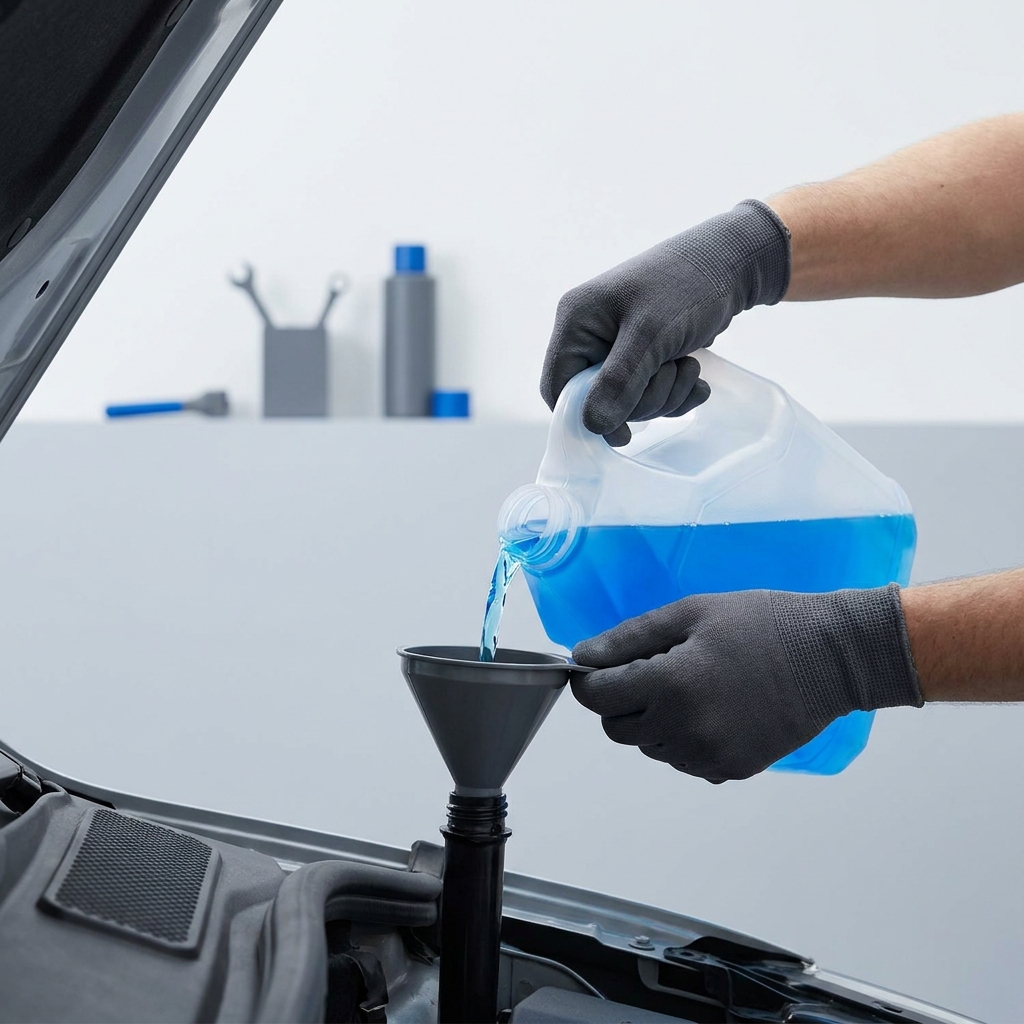
3) Pour washer fluid through a clean funnel until the level reaches the “Full” mark. If there’s no mark, fill to about two inches below the cap (https://www.longotoyotaofprosper.com/blog/how-do-i-check-my-wiper-fluid?srsltid=AYCX9vLpig1dn6PgaZ53pj9Ys-IYoZvqqY6Vsh1J5XCfNxLCe4oG62To). Many reservoirs hold up to about a gallon (https://www.toyota.com/car-tips/change-windshield-washer-fluid/).
4) Close the cap firmly, start the car, and test the washers.
Important safety notes
- Do not use radiator coolant or engine antifreeze in the washer reservoir. It can severely obscure visibility and damage paint and trim (https://www.kia.com/content/dam/kia2/in/en/content/new-seltos-manual/topics/t00654.html).
- Keep washer fluid away from sparks or flame; it can be flammable. Avoid contact or ingestion; it’s poisonous (https://www.kia.com/content/dam/kia2/in/en/content/new-seltos-manual/topics/t00654.html).
If spray is weak or nothing comes out
After refilling, if spray is delayed, that can be normal for a few seconds. If there’s no spray, you may have a damaged fluid line, a malfunctioning washer pump, or a blown fuse. Have the system diagnosed if basic checks don’t resolve it (https://www.longotoyotaofprosper.com/blog/how-do-i-check-my-wiper-fluid?srsltid=AYCX9vLpig1dn6PgaZ53pj9Ys-IYoZvqqY6Vsh1J5XCfNxLCe4oG62To).
Common mistakes to avoid
- Don’t run the washer pump when the reservoir is empty; it can stress components (https://www.longotoyotaofprosper.com/blog/how-do-i-check-my-wiper-fluid?srsltid=AYCX9vLpig1dn6PgaZ53pj9Ys-IYoZvqqY6Vsh1J5XCfNxLCe4oG62To).
- Don’t substitute radiator coolant; use proper washer fluid (https://www.kia.com/content/dam/kia2/in/en/content/new-seltos-manual/topics/t00654.html).
- Refill when the engine bay is cool and avoid open flames; washer fluid can be flammable (https://www.kia.com/content/dam/kia2/in/en/content/new-seltos-manual/topics/t00654.html).
Want a clearer view after you refill? See our practical guides on streak-free interior glass and quick defogging:
- How do you get rid of haze on the inside of a windshield?
- How to demist car windows safely and keep them clear
Quick washer-fluid check before you drive
FAQs
Do I need to change washer fluid, or just refill it?
Just refill it. Unlike oil, washer fluid doesn’t need changing on a schedule; monitor the level and top it off as needed (https://www.toyota.com/car-tips/change-windshield-washer-fluid/).
Can I use water instead of washer fluid?
If washer fluid isn’t available, you may use plain water temporarily. In cold climates, use a washer solvent with antifreeze properties to prevent freezing, and never use radiator coolant (https://www.kia.com/content/dam/kia2/in/en/content/new-seltos-manual/topics/t00654.html).
Where is the reservoir?
Look for a semi-opaque bottle with a windshield icon on the cap, typically near the back or sides of the engine bay. Many have level markings, and some hold up to about a gallon (https://www.toyota.com/car-tips/change-windshield-washer-fluid/).
The warning stayed on after a refill. What now?
Have the system inspected. Possibilities include a wiring fault or a bad level sensor; owners sometimes report sensor issues that require cleaning or replacement (https://www.ramforum.com/threads/washer-fluid-level-low-warning.196305/).
