
The journal
New wipers, still streaks: causes and fixes
If your windshield streaks even with new wipers, the usual culprits are a dirty sweep path, residue on the blade, aged or hardened rubber, or poor contact/alignment. Clean glass and blade edges first, then inspect rubber and fit.
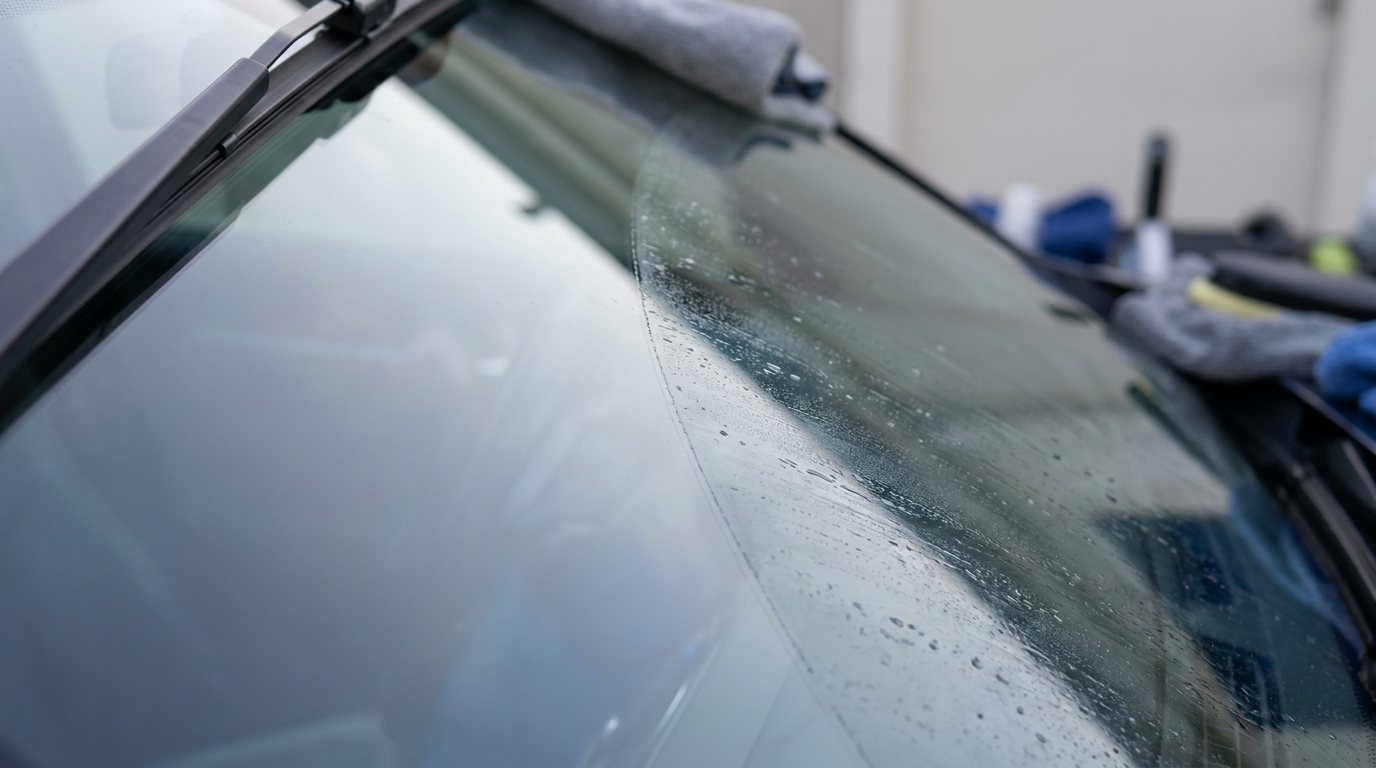
Most streaks with brand-new wipers come from contamination on the glass or blade edge, not just the blade itself. Clean the windshield’s full sweep area and wipe the rubber edges first. If streaks persist, check for hardened or damaged rubber and confirm the blades are installed correctly and making even contact with the glass Jiffy Lube - Blauvelt Snider Automotive.
Why new wipers can still streak
Dirty windshield or contaminated blade edges
Dirt, road film, bug residue, or wax on the glass drags under the blade and leaves lines. Grime also transfers onto the rubber edge and re-deposits each pass until both are cleaned Jiffy Lube - Blauvelt Snider Automotive.
Rubber that’s already worn or hardened
Even a blade that looks new can underperform if the rubber has hardened, cracked, or lost its thin wiping lip from sunlight, heat/cold, or dirt. That prevents uniform contact and causes streaks or chatter. Typical replacement intervals are about 6-12 months, depending on conditions Snider Automotive Jiffy Lube - Blauvelt.
Incorrect installation, size, or uneven contact
If the blade isn’t seated correctly, is the wrong size, or the wiper arm has uneven pressure, parts of the blade won’t touch the glass consistently, leaving streaks or missed arcs. Re-check fitment and that the blade sits flat across the windshield Jiffy Lube - Blauvelt Snider Automotive.
Coatings, old washer fluid, or cold weather
Residue from water-repellent coatings or wax, especially if overapplied, can smear and streak. Old washer fluid can also leave film. In freezing weather, rubber can stiffen and lose effective contact until it warms up Jiffy Lube - Blauvelt.
Quick fixes to try now
- Thoroughly clean the glass: Wash the full sweep path, not just the visible streak. If you need a step-by-step, see our streak-free windshield cleaning guide. This alone often stops lines and smears Jiffy Lube - Blauvelt.
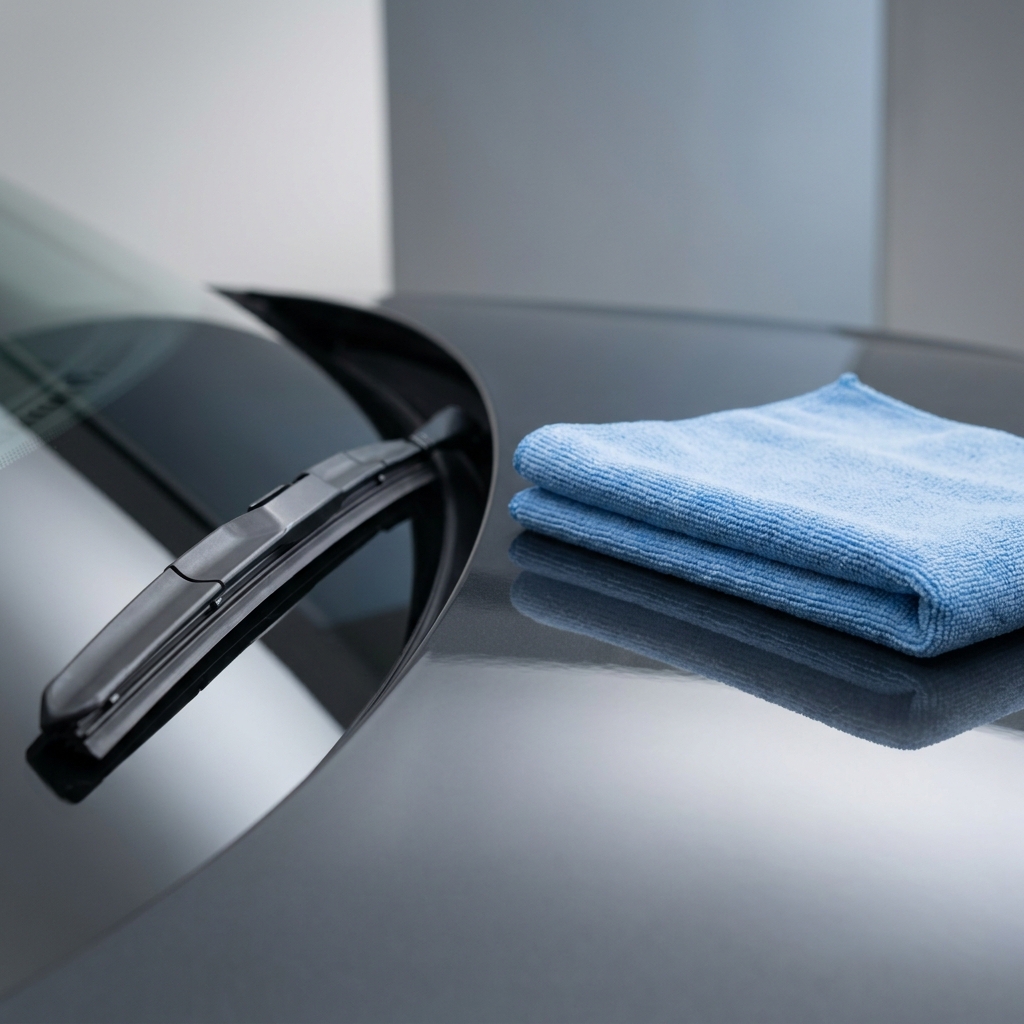
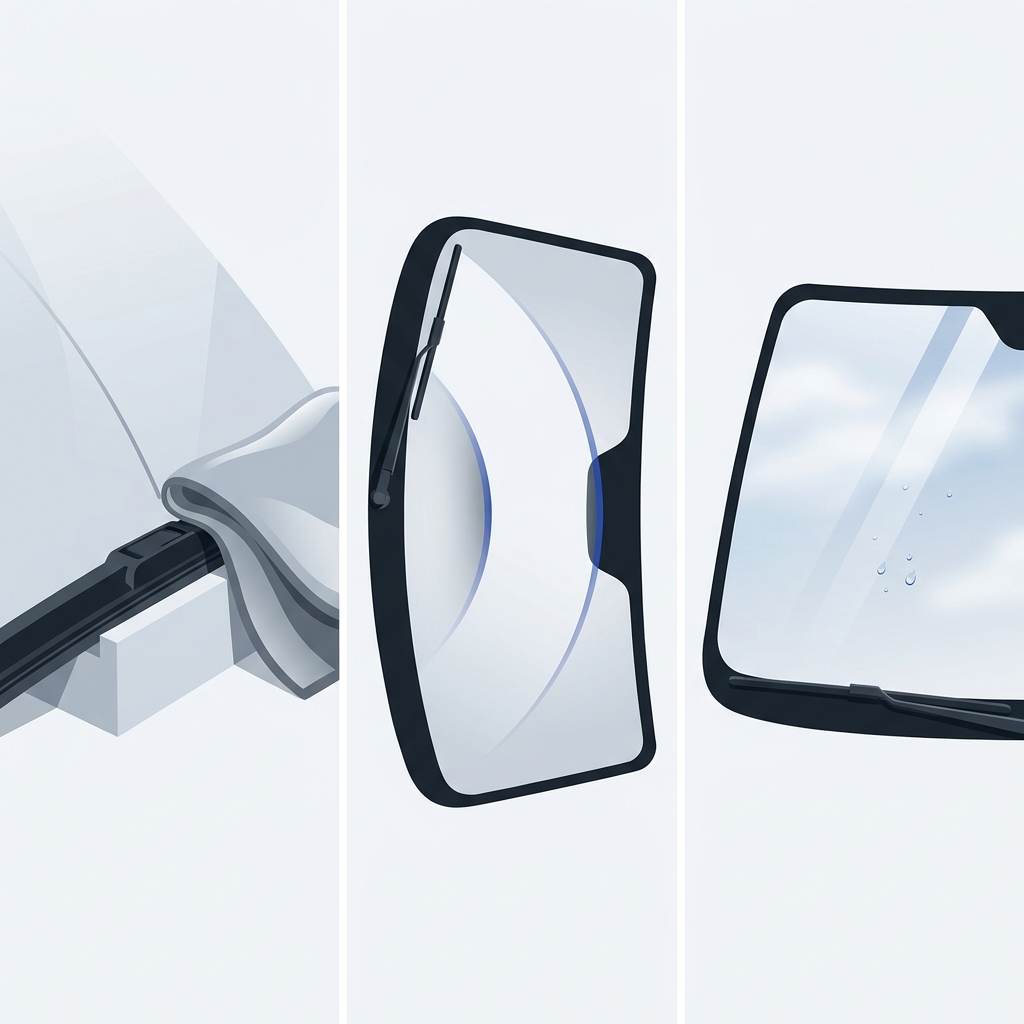
- Wipe the blade edges: Lift each arm and run a clean, damp cloth (or a little glass-safe cleaner/rubbing alcohol) along the rubber to remove film and grit Snider Automotive.
- Rinse and test on a wet windshield: Avoid dry wiping. Use washer fluid or a hose, then run the wipers and check the pattern Snider Automotive.
- Recheck installation and size: Confirm each blade locks into the correct adapter, matches the specified length, and sits flat against the glass. If needed, follow our guide to replace your wipers yourself Jiffy Lube - Blauvelt Snider Automotive.
- Address coatings and fluids: If streaking began after applying a glass treatment or wax, clean the windshield to remove excess. Top up with fresh washer fluid if it’s old Jiffy Lube - Blauvelt.
How to tell if replacement is the right move
Inspect the wiping lip along the full length. Replace the blade if you see cracks, nicks, a rounded edge, stiffness, or if cleaning does not restore performance. Most drivers benefit from replacing blades every 6-12 months, sooner in harsh weather or heavy use Snider Automotive Jiffy Lube - Blauvelt.
Stop streaks with new wipers: quick checklist
When to get help
If one side of a blade wipes while the other doesn’t, or if streaks persist after cleaning and correct installation, the wiper arm may have uneven pressure or the windshield may have surface damage. In that case, have a technician inspect arm tension/alignment and check the glass surface Snider Automotive.
FAQ
Can brand-new blades be defective?
It’s uncommon, but rubber can degrade in storage or during shipping. If a new blade has a nicked or stiff lip, swap it for a fresh set Snider Automotive.
Do weather and washer fluid really matter?
Yes. Freezing temps can stiffen rubber, and old/poor fluid can leave residue that smears under the blade. Fresh fluid and a clean glass surface improve wipe quality Jiffy Lube - Blauvelt.
