
The journal
What are tire load ratings (load index)?
A tire’s load rating (load index) is the number on the sidewall that corresponds to the maximum weight one properly inflated tire can carry. Look it up on a load index chart and choose tires that meet or exceed the index on your vehicle’s door sticker.
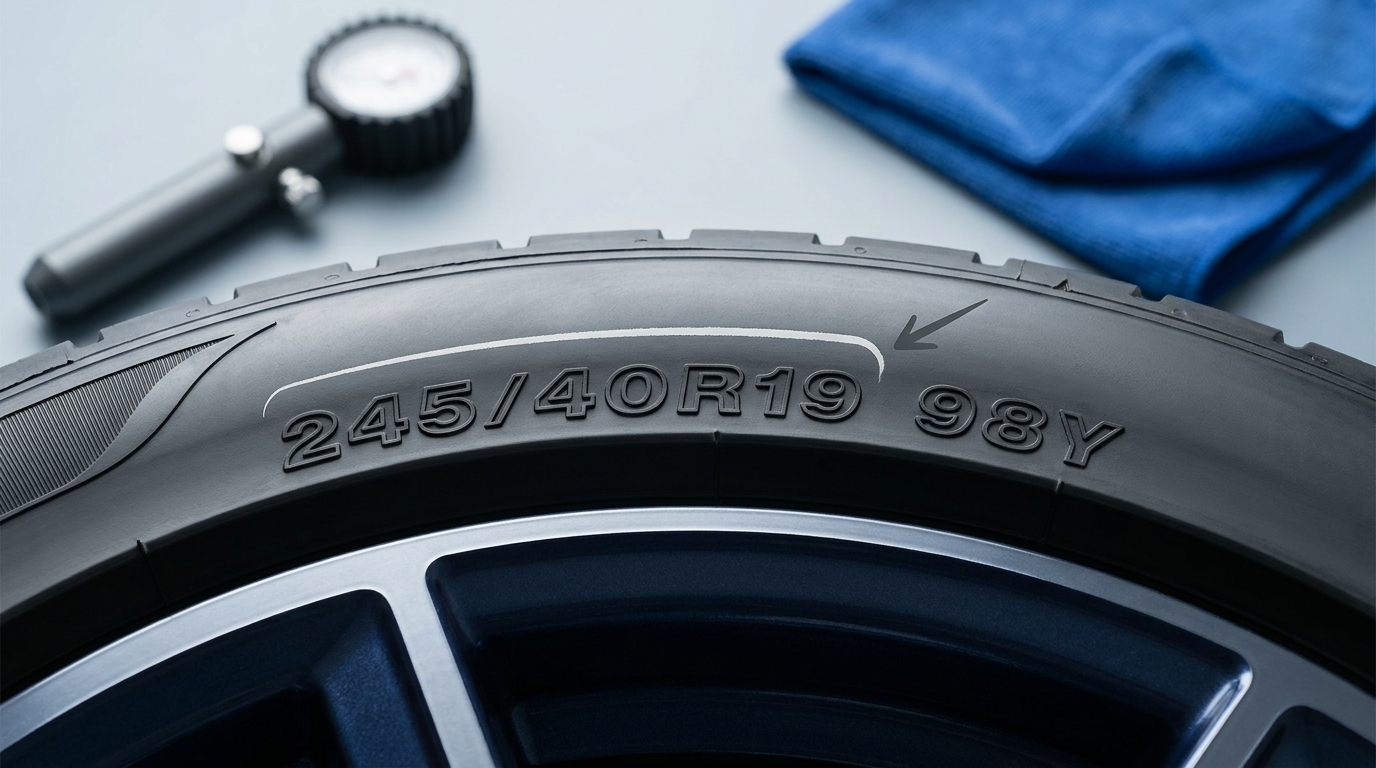
The load rating on a tire, also called the load index, is a two- or three-digit number molded on the sidewall that maps to the maximum weight a single tire can carry when properly inflated. You convert that number to pounds using a load index chart (for example, 92 = 1,389 lb) and fit tires that meet or exceed the index specified by the vehicle manufacturer; the door placard may not show the numeric index, so check the manual or approved fitment specification TireMinder load index chart Trail Tire guidance.
Where to find and how to read the load index
Look on the tire sidewall for the service description at the end of the size. Example: P215/65R15 95H. In this case, 95 is the load index number and H is the separate speed rating letter Trail Tire explanation. To see your vehicle’s required rating, check the sticker inside the driver’s door jamb or the owner’s manual; use tires with the same or higher load index as recommended there Trail Tire guidance.
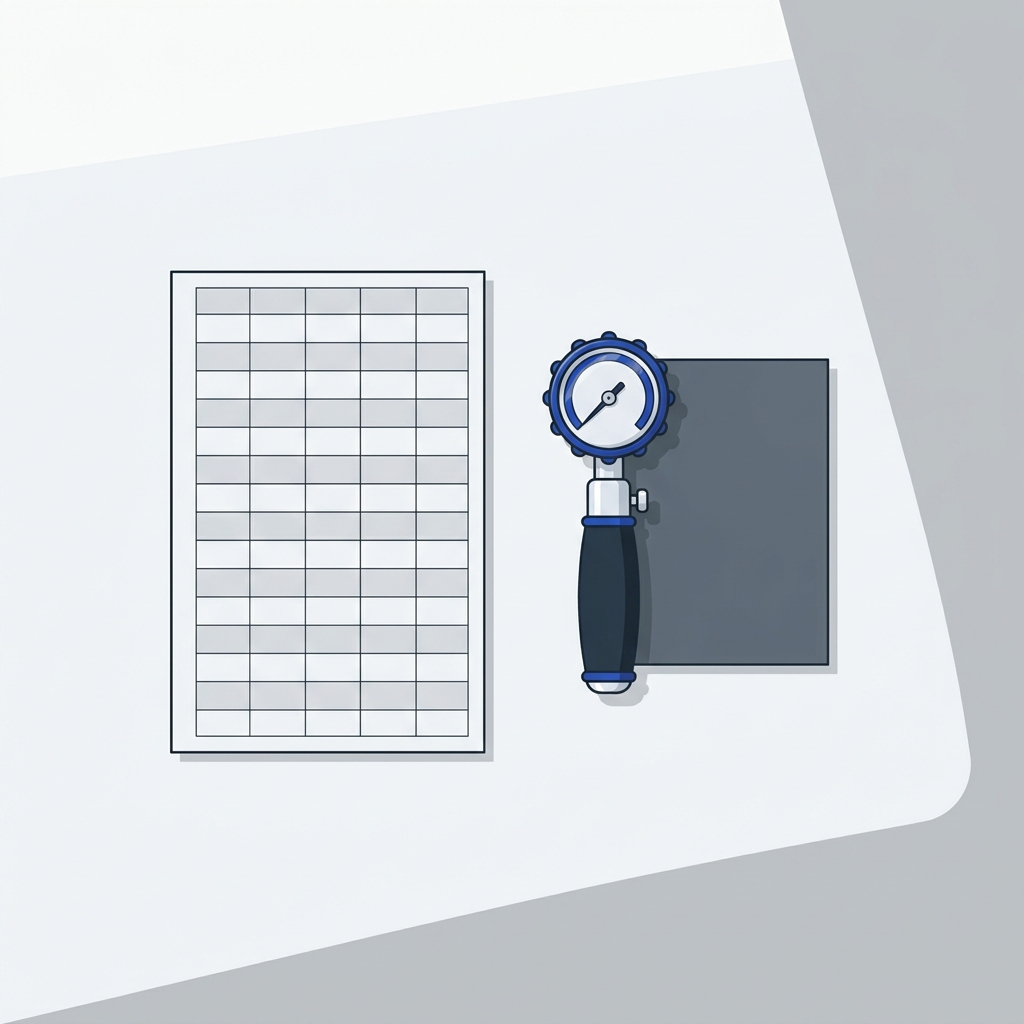
Convert the index number to actual weight
Use a reputable chart to translate the index into maximum load per tire. For example, an index of 92 corresponds to 1,389 lb per tire; 95 corresponds to 1,521 lb TireMinder load index chart Telle Tire load index table. These charts provide the standardized load associated with each index. Tread carefully: tire makers also publish tire-specific load and inflation tables; consult them when you’re towing or hauling to pair pressure with load correctly TireMinder note on manufacturer load tables.
Inflation categories and LT load ranges affect how load is carried
Passenger-tire markings such as SL and XL describe load categories. Light-truck tires may also show a Load Range letter. These are not interchangeable with the numeric load index, and a letter alone does not tell you the capacity of every size. Use the tire maker’s table for the exact tire and approved fitment. Set normal cold pressure to the vehicle maker’s specification, not a generic pressure associated with a load category or the maximum on the sidewall.
Choosing replacement tires: match or exceed the required index
Before you shop, read the required specifications on the driver-door sticker or in the manual. Then select tires with a load index equal to or higher than that requirement. Kal Tire emphasizes ensuring the new tire’s load index is at least equal to the old tire’s index, and Trail Tire advises using the vehicle maker’s recommended ratings on the door-jamb sticker Kal Tire on matching or exceeding load index Trail Tire guidance.
Don’t confuse the speed rating letter with load index. They are separate: speed rating covers the maximum sustained speed capability, while load index covers weight carrying. Reference the two independently when choosing tires TireMinder speed index table Trail Tire overview.
Common pitfalls and quick checks
- Fitting a tire with a lower load index than the vehicle requires. Always meet or exceed the specified index Kal Tire on matching or exceeding load index.
- Assuming LT Load Range letters alone define capacity. Load varies by tire size and allowable pressure even within the same letter; check manufacturer load-and-inflation tables Kal Tire on variation within Load Range TireMinder manufacturer tables.
- Mixing up load index with speed rating. The number is load; the letter is speed Trail Tire explanation.
- Neglecting inflation maintenance. Keep tire pressures in spec for everyday driving; see our step-by-step guide to check car tire pressure.
Quick example
If your sidewall reads 225/45R17 94V, the load index is 94. Looking that up shows 1,477 lb per tire. If it shows 92, that’s 1,389 lb per tire. Use tires that meet or exceed your door-sticker requirement, and consult manufacturer load-and-inflation tables if you’re towing or hauling TireMinder load index chart Telle Tire load index table Trail Tire guidance.
New to reading tire codes? This short guide explains what the numbers and letters mean beyond the load index: what does 70 mean on a tire?
Confirm your tire’s load rating in minutes
FAQ
Is a higher load index OK?
A higher index can be acceptable within an approved fitment, but it does not increase the vehicle’s permitted load. Size, construction, pressure, axle ratings and the vehicle maker’s requirements still apply Kal Tire on matching or exceeding load index.
Where exactly is the load index shown?
It’s the number in the service description following the tire size (e.g., 95 in 225/50R17 95H). The placard gives size and cold-pressure information; confirm any missing load index in the vehicle maker’s approved specification Trail Tire explanation.
Do LT tires use letters instead of numbers?
LT tires show a Load Range letter (e.g., C, D, E) related to construction and allowable inflation, and they also include a numeric load index. Capacity varies by size and pressure, so always check the tire maker’s table Kal Tire on Load Range TireMinder manufacturer tables.
A tire’s per-tire capacity is not the vehicle’s payload allowance. Do not add four sidewall maximums to establish a new legal load: vehicle and axle limits still apply. Use the approved fitment and cold pressures, and ask a tire professional if converting tire types or preparing to tow.
