
The journal
What is the V or H rating on tires?
A clear explanation of H and V tire speed ratings, where to find them, what the numbers mean, and how to choose replacement tires that meet your vehicle’s requirements.
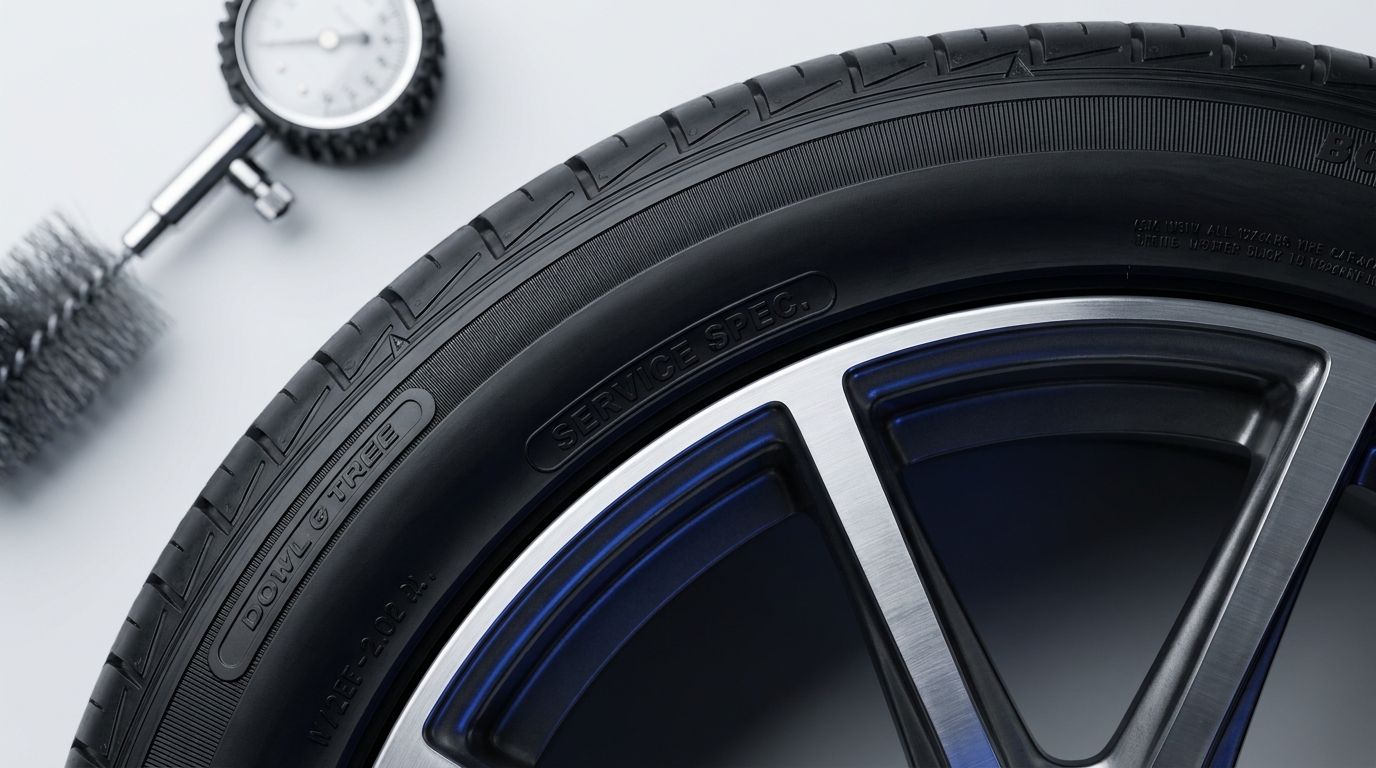
The V or H rating on a tire is its speed rating letter. It indicates the maximum speed the tire can sustain when carrying its rated load under specified test conditions. As defined by Michelin, H is 130 mph and V is 149 mph, and replacement tires should meet or exceed your vehicle’s specified rating (Michelin: Tire Load and Speed Rating).
Where to find H or V on your tire
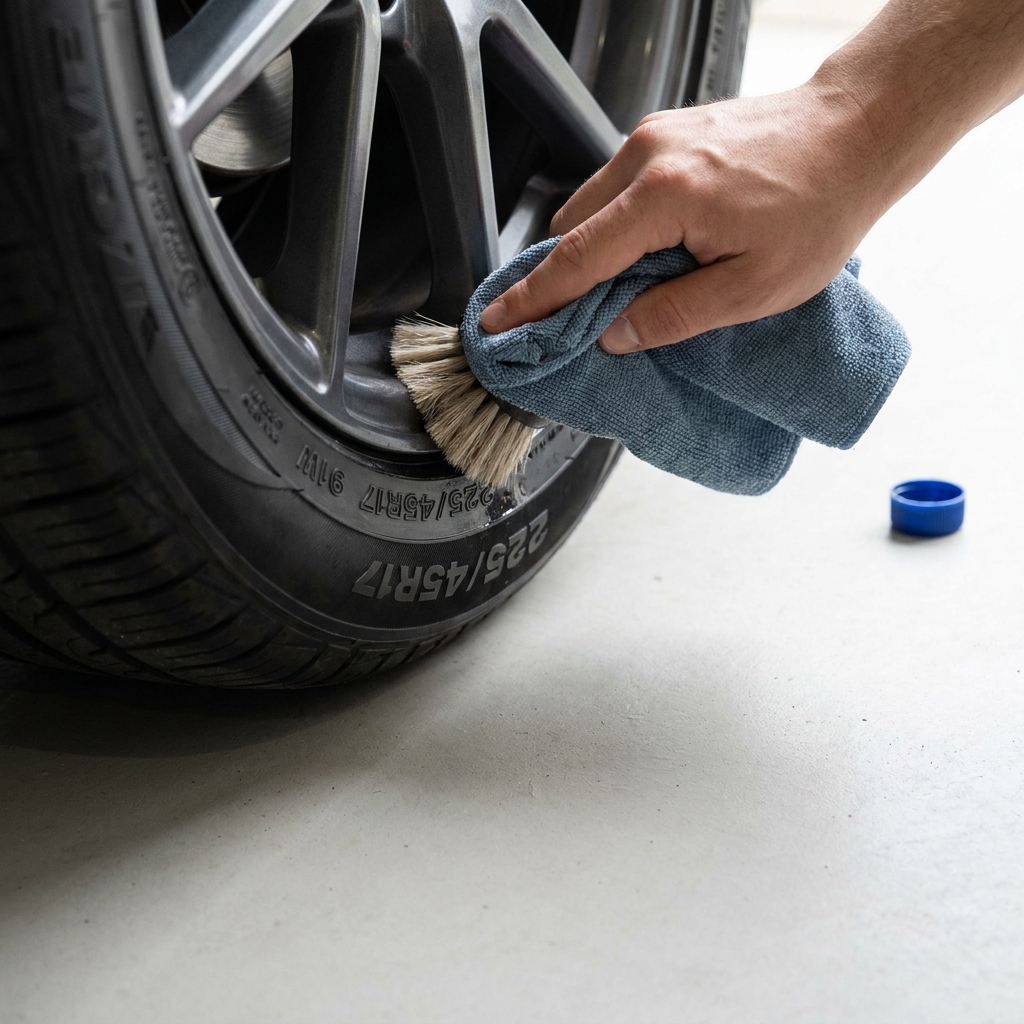
Look at the service description on the sidewall. It appears after the size and load index, for example: 205/55R17 91V. In that example, 91 is the load index and V is the speed rating (Michelin: Tire Load and Speed Rating).
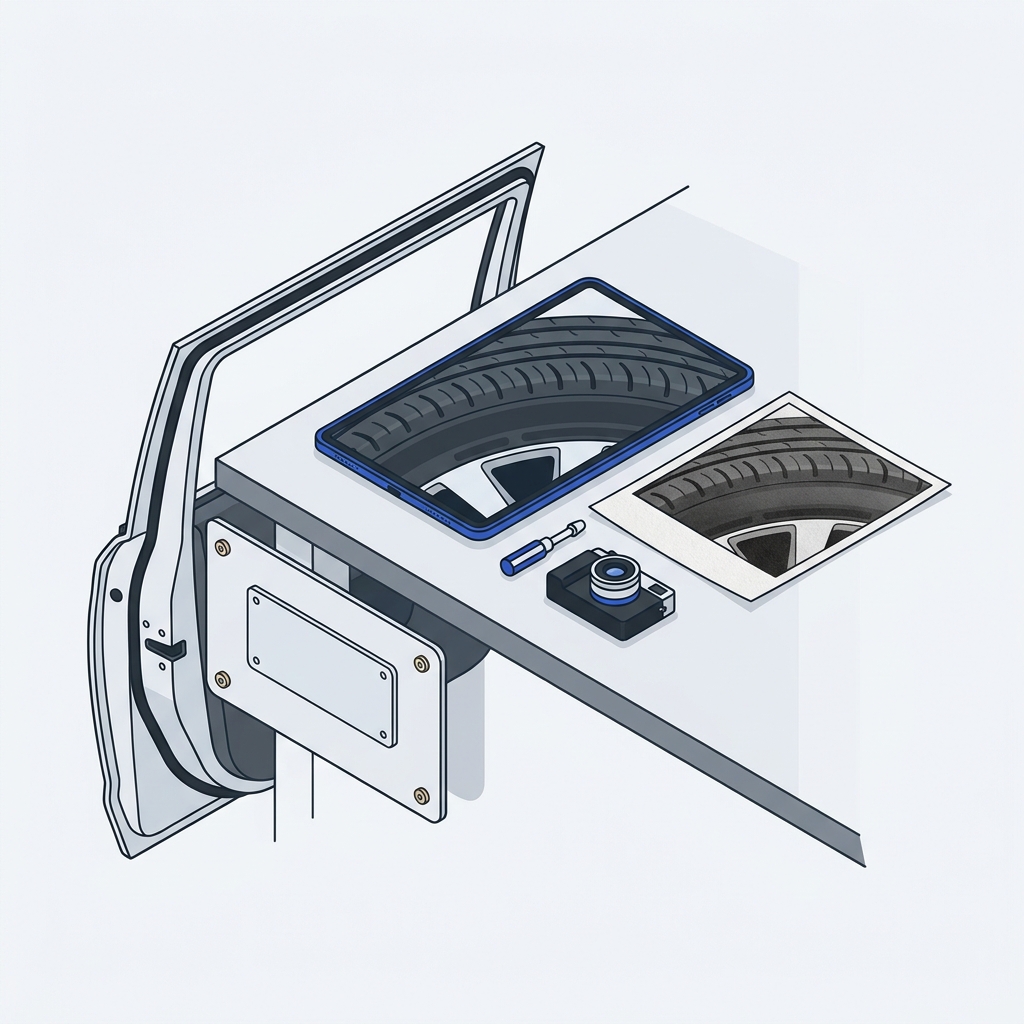
Check the vehicle maker’s tire specification and owner’s manual for the required load and speed ratings. The door placard supplies size and cold-pressure information but may not print every rating (Michelin: Tire Load and Speed Rating).
What H and V mean in numbers
- H: up to 130 mph (210 km/h)
- V: up to 149 mph (240 km/h)
These are laboratory-tested maximums for a properly inflated tire carrying its rated load, not recommended cruising speeds (Michelin: Tire Load and Speed Rating).
How to choose replacement tires
Follow the vehicle maker’s specification and select tires that match or exceed the original speed rating. Using a lower speed rating is not recommended. The exception Michelin notes is certain winter-capable tires (3-Peak Mountain Snowflake) where a lower rating may be acceptable, subject to the vehicle maker’s guidance and applicable local requirements, with the lower tire speed limit respected (Michelin: Tire Load and Speed Rating).
While speed rating defines maximum sustained speed, it also relates to heat resistance and structural integrity. Exceeding load or speed limits can cause heat buildup and increase the risk of damage or failure (Michelin: Tire Load and Speed Rating).
Related help: keeping tires at correct pressure improves real-world performance and safety. See our simple steps: How to check car tire pressure.
What the rating does and does not guarantee
The letter is a test result, not a permit to drive that fast. Legal limits always apply. Real-world safety still depends on correct cold inflation, undamaged tires, and staying within the tire’s load index. Michelin emphasizes that load and speed ratings define operating limits; exceeding them raises heat and risk (Michelin: Tire Load and Speed Rating).
A note on XL and HL markings
XL (Extra Load) and HL (High Load) mark tires built to carry more weight at specified pressures. If your original tires are XL or HL, do not substitute a different designation without confirming the vehicle maker’s approved fitment and load/inflation requirements. Load specification is separate from speed rating, and both must meet or exceed the vehicle’s requirement (Michelin: Tire Load and Speed Rating).
Before you buy: confirm the correct speed rating
Quick examples
- Replacing one tire: Choose the same size, load index, and speed rating as specified for your vehicle. Avoid downgrading the rating. Keep pressures set to the vehicle placard.
- Winter set: If using winter-capable tires with a lower rating is permitted for your vehicle, respect their lower maximum speed and label a reminder in the cabin.
Also consider tire age when evaluating replacements: How long are tires good after the manufacturing date?
FAQ
Is V faster than H?
Yes. Per Michelin, H is 130 mph and V is 149 mph under specified test conditions (Michelin: Tire Load and Speed Rating).
Can I use a lower speed rating than my car’s placard?
Not recommended. Michelin advises matching or exceeding the specified rating. Certain winter-capable tires may be an exception, but you must stay below their rated maximum speed (Michelin: Tire Load and Speed Rating).
Where exactly is the rating printed?
It is the final letter in the tire’s service description, appearing right after the load index, such as 91V (Michelin: Tire Load and Speed Rating).
